Inflation Holds Steady as Iran Conflict Looms
- The Consumer Price Index rose 2.4% over the 12 months ending in February, matching January’s pace and aligning with forecaster expectations. This stability suggested inflation was under control before geopolitical risks began to dominate market sentiment.
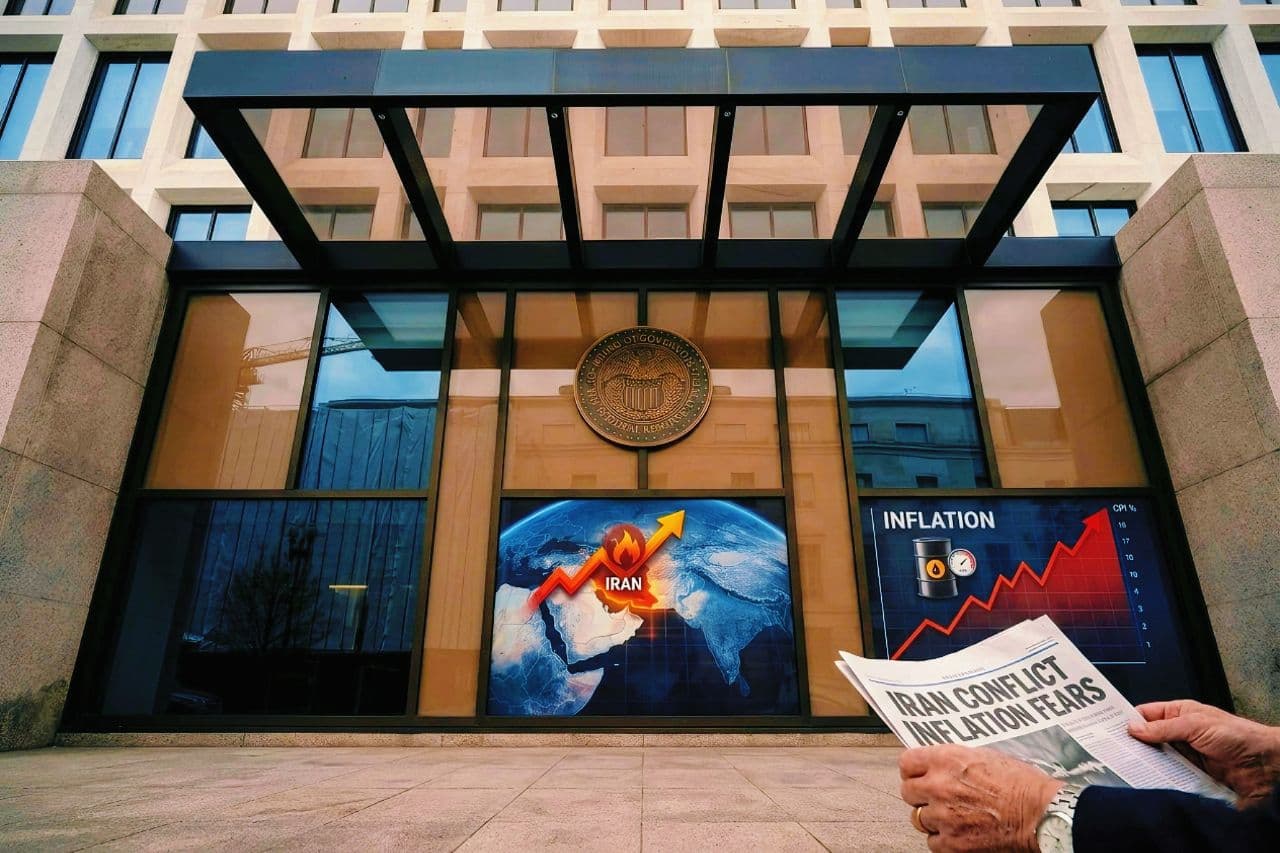
- Importantly, the measurement did not capture the effects of the Iran war, which has since disrupted oil supplies and sent gasoline prices soaring. With Brent crude above $90 and West Texas Intermediate near $85, energy costs are expected to feed into consumer prices in the months ahead.
- Inflation has consistently run above the Federal Reserve’s 2% annual target since 2021, raising concerns that sustained energy shocks could worsen the challenge. Elevated oil prices threaten to push inflation higher, limiting the Fed’s flexibility to support growth if the labor market weakens.
- Steady inflation figures offered a brief sense of stability, but the Iran conflict and energy volatility are likely to reignite price pressures. For households and investors, the risk is that inflation remains stubbornly above target, complicating both economic policy and everyday costs.
Key Takeaways
Inflation Holds Steady Before Iran War Disruptions
A key measure of inflation stayed steady in February, just before the war in Iran sent gasoline prices soaring. The Consumer Price Index rose 2.4% over the 12 months ending in February, according to the Bureau of Labor Statistics. That matched January’s pace and aligned with forecasts from economists surveyed by Dow Jones Newswires and The Wall Street Journal.
“Core” inflation, which excludes food and energy, also rose 2.5% over the year, the same as the previous month and in line with expectations. This consistency suggested that inflationary pressures were stable before geopolitical risks began to dominate market sentiment.
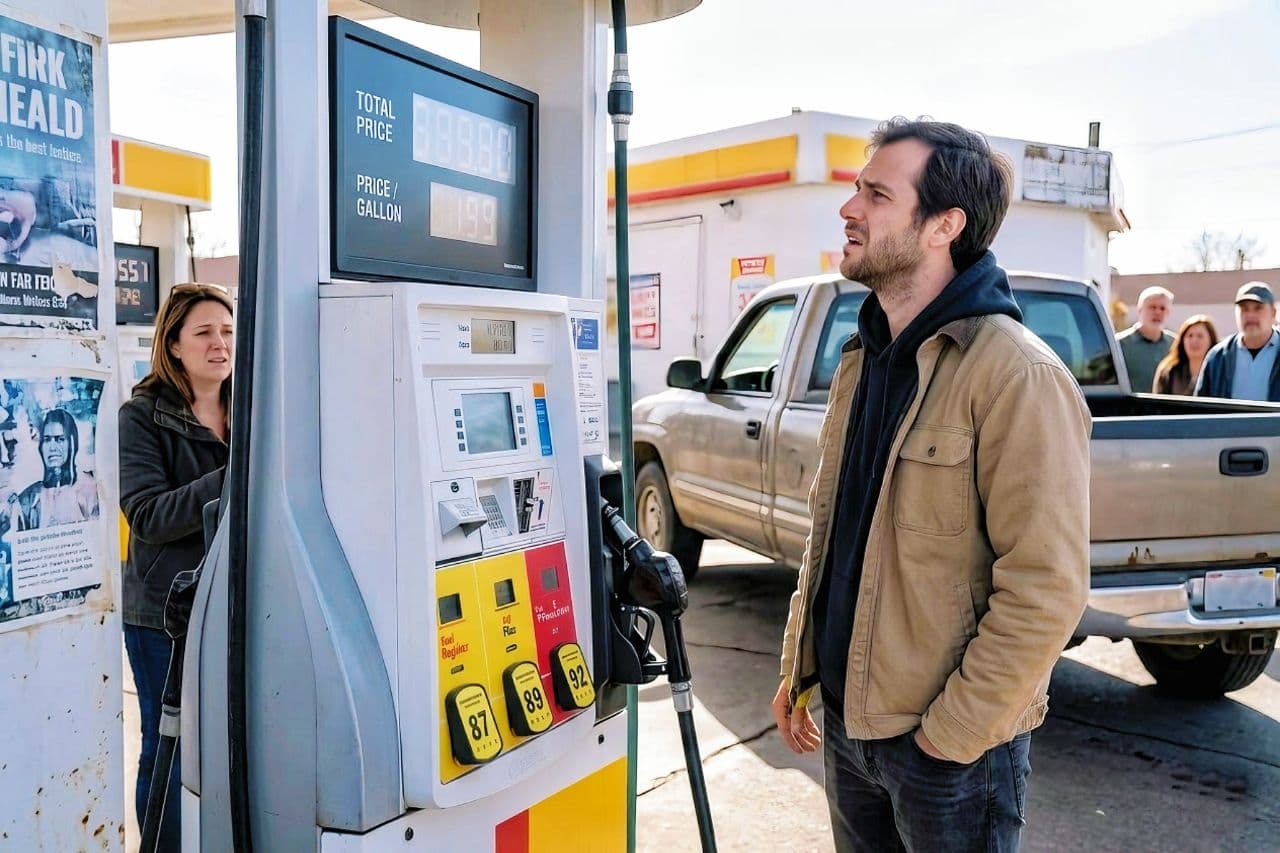
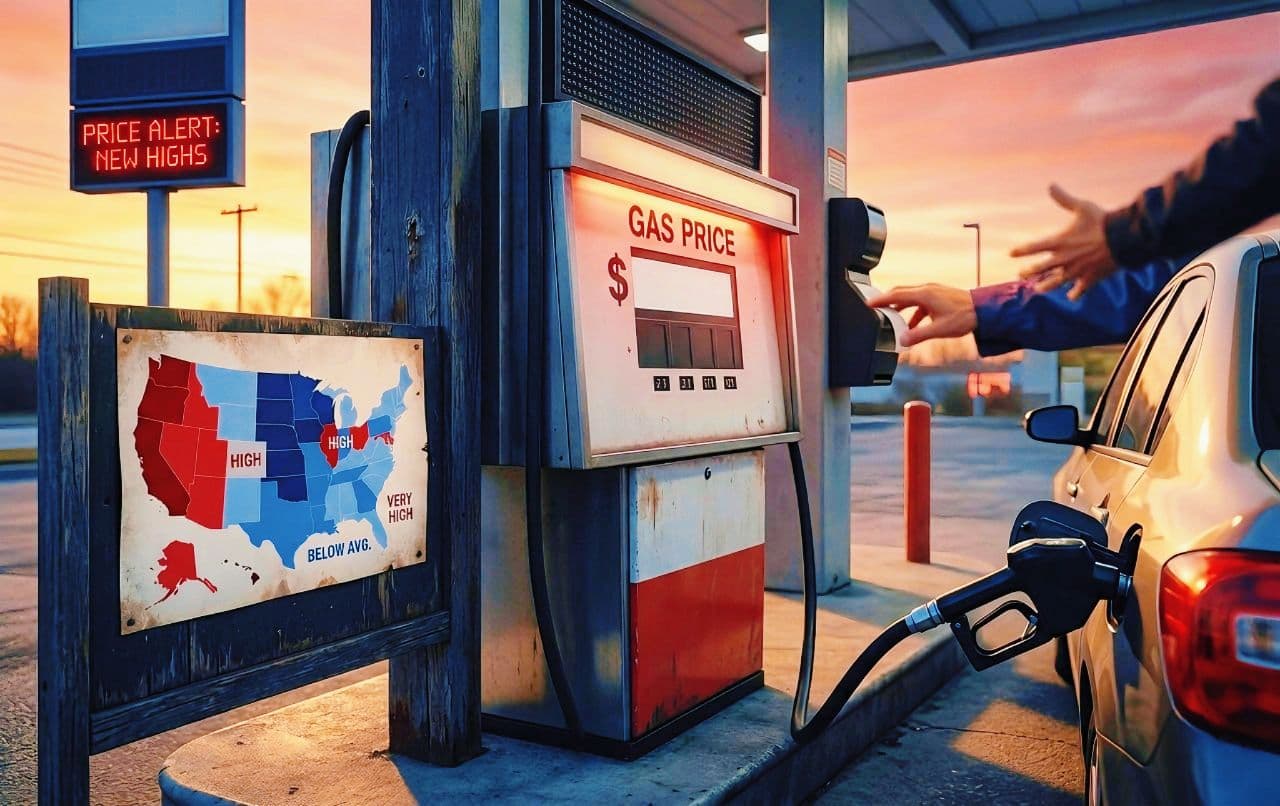
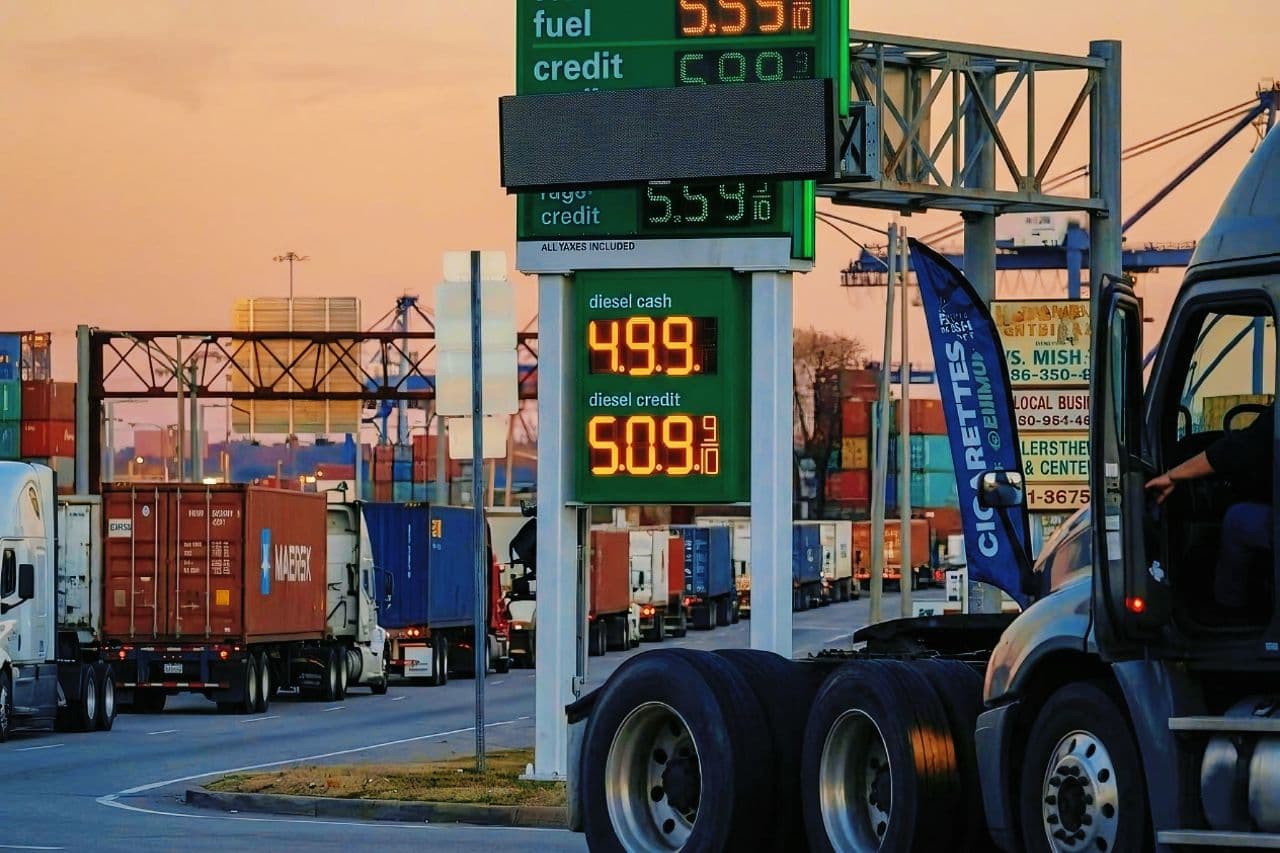
The report highlighted that inflation’s trajectory remained steady ahead of the Iran conflict, which has since disrupted shipping from the oil-producing region. National average gasoline prices have jumped by more than 50 cents per gallon in just two weeks, reflecting the immediate impact of supply disruptions.
While February’s data showed inflation under control, the war in Iran has already begun to reshape the outlook. Rising energy costs threaten to push inflation higher, complicating the Federal Reserve’s efforts to balance price stability with economic growth.


Inflation remained in its recent pattern during February, holding steady at 2.4% and staying stubbornly above the Federal Reserve’s 2% goal. Core inflation, excluding food and energy, also matched expectations at 2.5%. This stability suggested that price pressures were contained before geopolitical risks began to dominate.
The war in Iran has since disrupted oil supplies and driven gasoline prices sharply higher, with national averages rising more than 50 cents per gallon in just two weeks. These energy shocks are expected to feed into consumer prices, reshaping the inflation outlook in the months ahead.
Economists warn that prolonged high oil prices could worsen inflationary pressures, limiting the Fed’s ability to support growth if the labor market weakens. Elevated energy costs ripple across transportation, travel, and goods, making everyday expenses more burdensome for households.
While February’s inflation data showed stability, the Iran conflict has introduced new risks. Rising energy prices threaten to push inflation higher, complicating monetary policy and raising the likelihood of slower economic growth.


Inflation Baseline Shaken by Iran Conflict
February’s inflation report showed stability, with the Consumer Price Index rising 2.4% year-over-year and core inflation holding at 2.5%. Jake Krimmel of Realtor.com described this as an “inflation floor,” noting it provides the cleanest baseline before new price pressures emerge this spring. The steadiness reflected cooling housing inflation, even as tariffs pushed up costs in categories like apparel, furnishings, and groceries.
Tariff-sensitive goods continued to climb, with apparel up 1.3% and household furnishings rising 0.3%. Groceries increased 0.4%, while dining out rose 0.3%. Housing inflation decelerated further, with shelter prices rising just 0.2% and rent posting its lowest monthly increase since January 2021 at 0.1%. These trends suggested that domestic inflationary pressures were moderating before external shocks hit.
The Iran war has since disrupted shipping through the Strait of Hormuz, a critical passage for 20% of the world’s oil supply. Gasoline prices have already surged more than 50 cents per gallon in two weeks, threatening to push inflation higher across sectors. Because fuel costs ripple into transportation and goods, households face mounting pressure as energy volatility spreads through the economy.
February’s data offered a rare moment of stability, but the Iran conflict has reshaped the outlook. Inflation is likely to climb again as energy shocks feed into consumer prices, complicating the Federal Reserve’s path and raising risks of slower growth.


Fed Likely to Hold Rates Amid War-Driven Inflation Risks
The relatively tame February inflation report is unlikely to push the Federal Reserve toward immediate rate cuts. Economists note that Fed officials remain cautious, keeping the central bank’s key interest rate elevated as they monitor how the Iran war reshapes price pressures.
The Fed funds rate, which influences borrowing costs across mortgages, auto loans, and credit cards, has been held high since 2022 to discourage spending and cool inflation. While the Fed cut rates late last year to support a weakening job market, officials have since adopted a “wait-and-see” stance, preferring stability until clearer signals emerge.
With gasoline prices surging more than 50 cents per gallon in just two weeks due to shipping disruptions in the Strait of Hormuz, the Fed faces renewed inflation risks. Elevated energy costs ripple through transportation and goods, making it harder for policymakers to justify easing monetary policy.
The Fed is likely to keep rates higher for longer, balancing inflation control against economic growth. The Iran conflict has added uncertainty, and until energy markets stabilize, households and businesses should expect borrowing costs to remain elevated.


Fed Stays Cautious as War Clouds Inflation Outlook
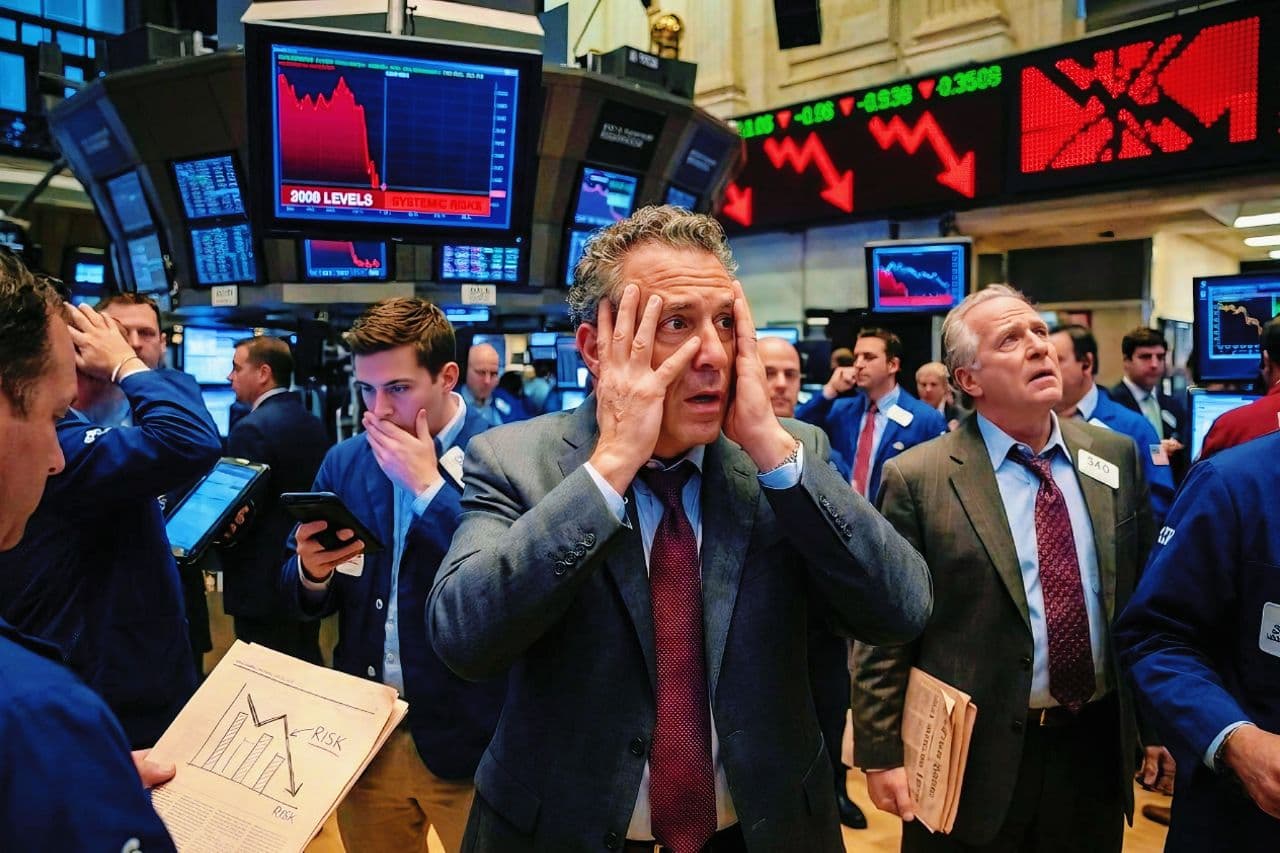
Economists say the uncertainty surrounding the Iran war is likely to discourage the Federal Reserve from making any policy moves in the near term. February’s inflation report, while steady, is seen as only a snapshot of conditions before the conflict disrupted oil supplies and sent gasoline prices sharply higher.
Bernard Yaros, lead U.S. economist at Oxford Economics, noted that the February Consumer Price Index “is unlikely to move the needle on the outlook for monetary policy” because it doesn’t reflect the war’s impact. He emphasized that headline inflation is expected to rise much more strongly in March as energy shocks ripple through the economy.
The Fed has kept interest rates elevated since 2022 to cool inflation, and while it cut rates late last year to support the labor market, officials remain in a “wait-and-see” mode. With geopolitical risks now driving energy costs higher, the central bank is expected to hold rates steady for longer to avoid fueling inflation.
The Fed’s path forward is shaped less by February’s tame inflation data and more by the unfolding conflict in Iran. Until energy markets stabilize, households and businesses should expect borrowing costs to remain high as the Fed prioritizes inflation control over immediate growth support.


The Bottom Line
The February inflation report offered stability, but it’s already outdated in the face of the Iran war. Economists stress that the conflict’s disruption of oil supplies and surging gasoline prices will drive headline inflation higher in March. That leaves the Federal Reserve little incentive to cut rates, even as the job market shows signs of strain.
Fed officials are expected to keep interest rates elevated, maintaining their “higher for longer” stance. The central bank’s priority remains controlling inflation, and with energy costs rising, easing policy too soon could risk fueling price pressures.
The war’s uncertainty has reshaped the outlook, discouraging the Fed from making moves anytime soon. Borrowing costs across mortgages, auto loans, and credit cards will likely stay high, as policymakers wait for clearer signals from both inflation data and geopolitical developments.
The Fed’s path forward is defined less by February’s tame CPI and more by the war-driven energy shock. Until stability returns to oil markets, households and businesses should expect elevated borrowing costs and persistent inflation risks.