Iran War Market Strategy: Smart Investing Amid Volatility
- Spot gold prices climbed on Tuesday, reflecting investor demand for safe-haven assets amid geopolitical uncertainty. At the same time, crude oil prices sank, signaling a pullback from recent highs that had raised concerns about recession risk. U.S. stocks rose, showing resilience despite the volatility across commodities.
- This whipsaw action highlights the challenges investors face when markets move in opposite directions. Gold’s strength suggests caution, while equities’ rebound points to optimism. Oil’s decline adds another layer of complexity, as energy markets remain sensitive to geopolitical headlines.
- Market strategists emphasize the importance of moving deliberately. Rather than chasing quick gains or reacting to every swing, they advise investors to avoid extremes and focus on long-term fundamentals. The current environment rewards patience and measured positioning.
- For investors, the takeaway is clear: volatility is reshaping asset performance, but opportunities exist for those who stay disciplined. Balancing exposure across safe havens, equities, and energy remains key to navigating the evolving landscape.
Key Takeaways
Middle East War Market Chaos: How Investors Should React
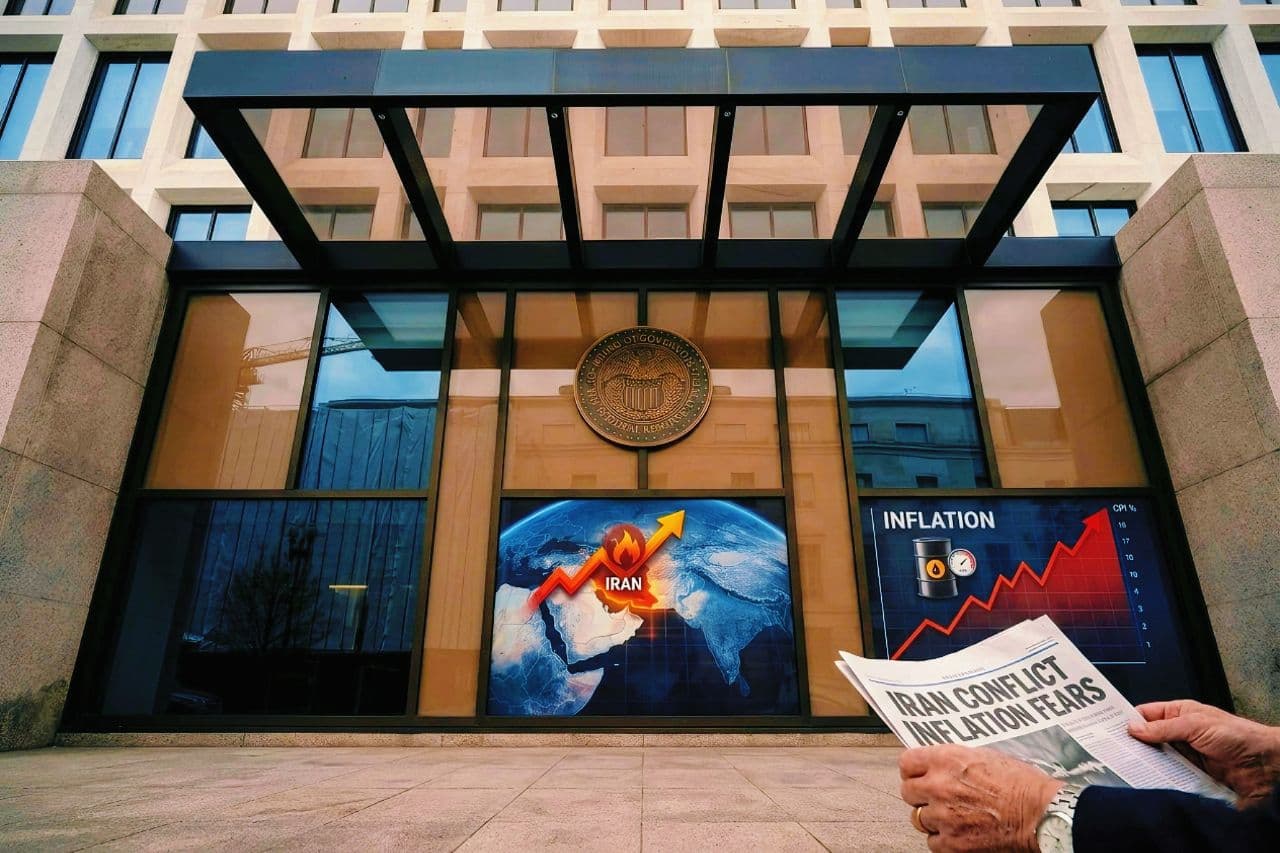
Investors are struggling to make sense of the Middle East conflict, with advisers warning that trying to predict the next move may be futile. The war has created sharp swings across major asset classes, leaving markets conflicted and investors uncertain about how to position themselves.
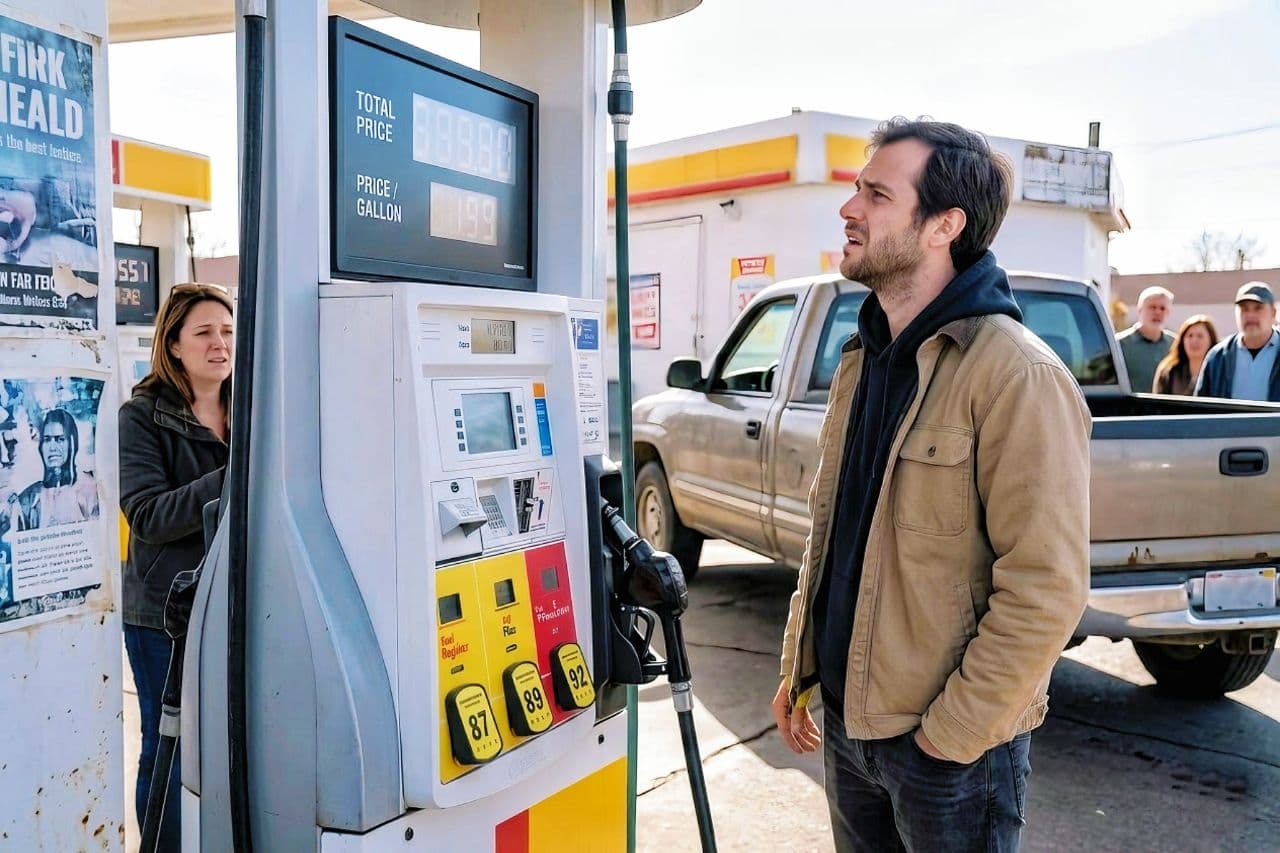
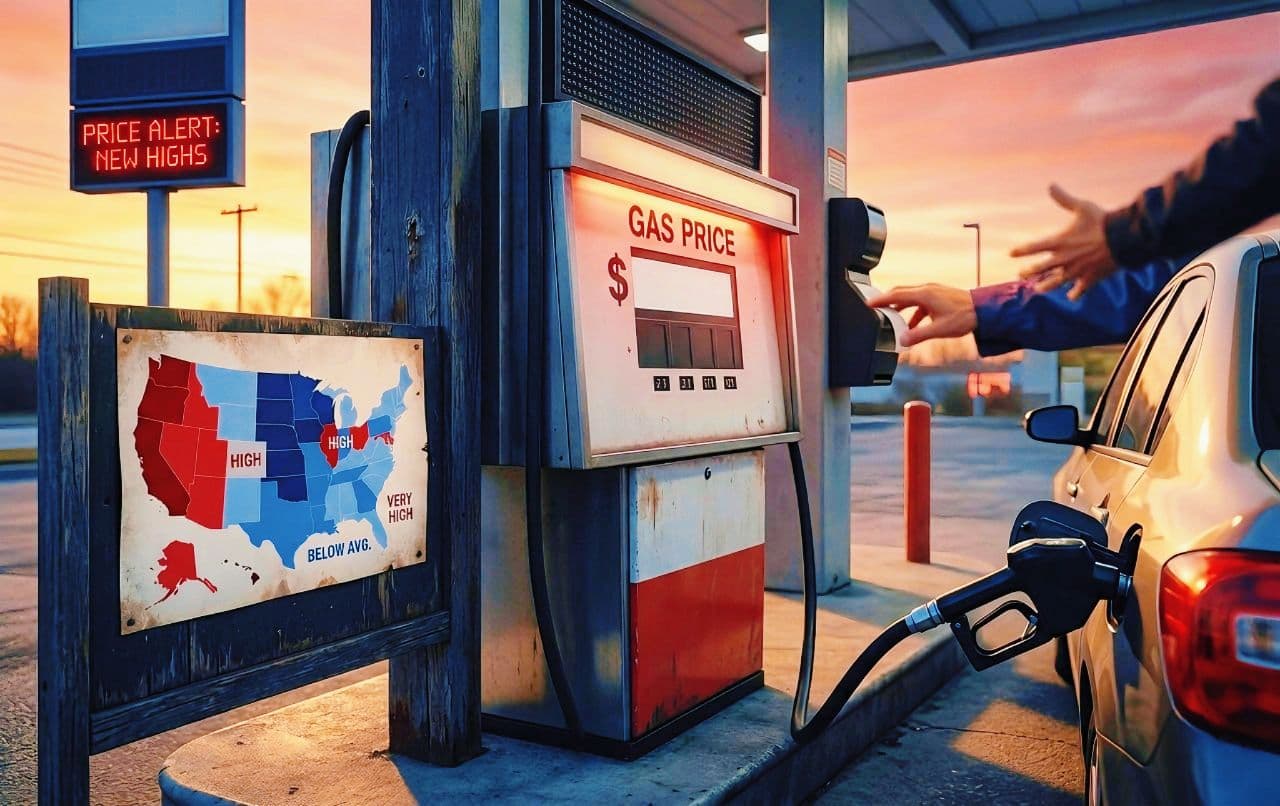
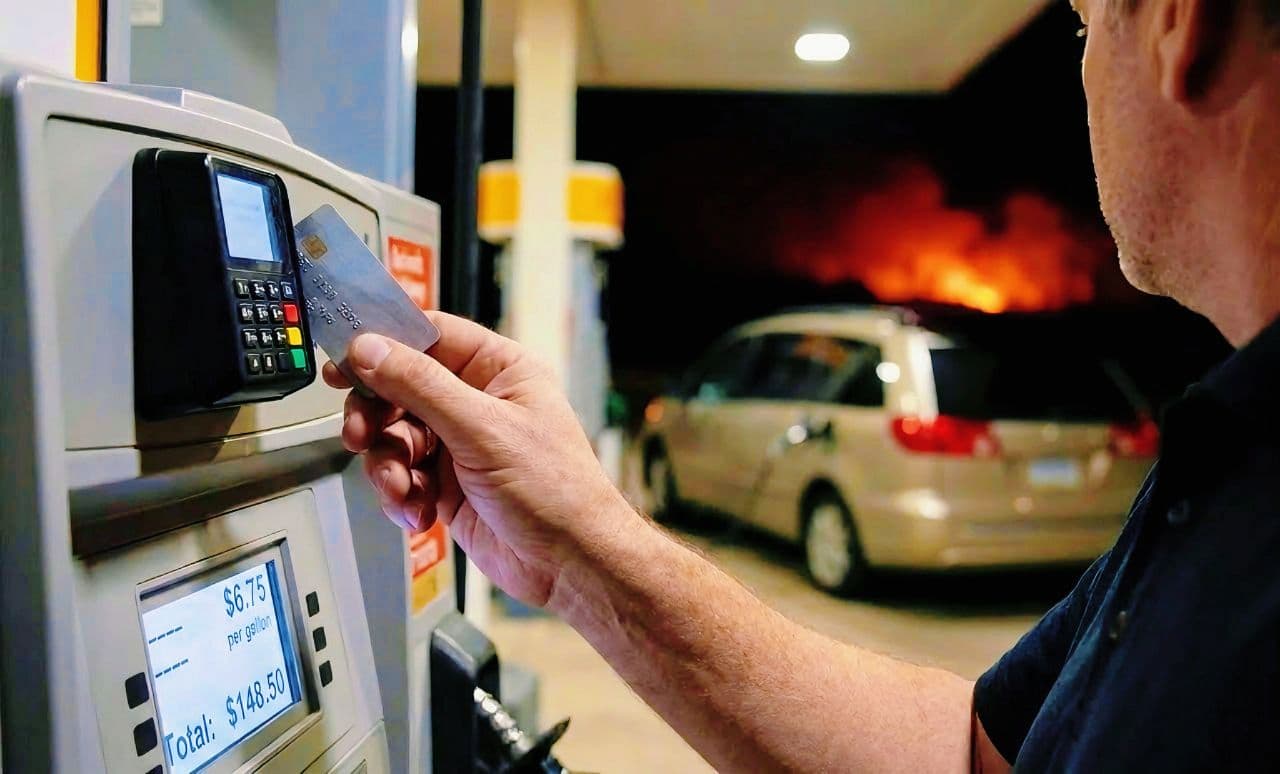
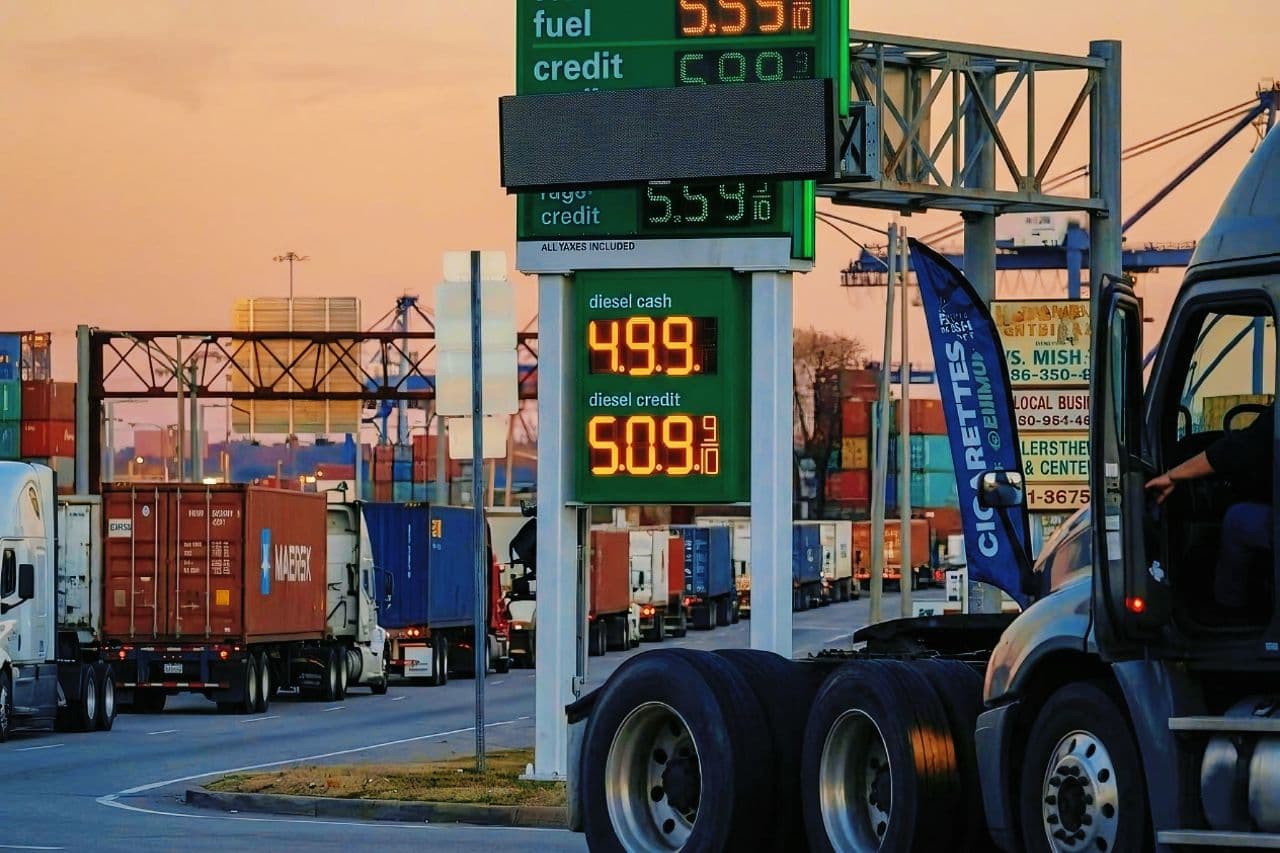
Oil prices have been especially volatile, surging above $115 per barrel before plunging to around $85 in a single day. Gold, initially quiet after the outbreak, began climbing once President Donald Trump hinted at an end to hostilities. Meanwhile, U.S. stocks have seesawed up one day, down the next while the VIX, Wall Street’s “fear gauge,” has bounced between panic and calm.
This whipsaw action underscores the difficulty of navigating markets during geopolitical crises. Conflicting signals from messaging, analysis, and price action make it nearly impossible to forecast short-term trends. Investors who chase these swings risk being caught on the wrong side of sudden reversals.
Strategists advise a measured approach: move slowly, avoid extremes, and focus on long-term fundamentals rather than reacting to every headline. In times of heightened uncertainty, patience and discipline remain the most effective tools for protecting capital and finding opportunity.






Market strategists are urging investors to take a step back and reassess their portfolios in light of the ongoing Middle East conflict. The constant swings in oil, gold, and equities highlight how unpredictable day-to-day headlines can be, making short-term bets risky.
Rather than trying to forecast every move, advisers recommend focusing on risk management. This means evaluating exposure to sectors most sensitive to geopolitical shocks like energy, transportation, and defense while ensuring diversification across safer assets such as gold or cash equivalents.
The volatility in crude oil, gold, and U.S. stocks underscores how quickly sentiment can change. Attempting to time these moves often leads to losses, while a measured approach helps investors ride out turbulence without overreacting.
For investors who prefer stability, the best course is to avoid extreme positions and maintain balance. By doing so, portfolios can withstand sudden shocks while still capturing long-term opportunities once markets settle.






Iran Conflict Market Outlook: Why Investors Must Stay Measured
President Donald Trump’s conflicting remarks first suggesting the war with Iran was “very complete” and later threatening escalation underscore the fluidity of the situation. Defense Secretary Pete Hegseth reinforced that fighting will continue until Iran is “totally and decisively defeated.” These mixed signals have left markets swinging between optimism and fear, making investor positioning more complex.
UBS advises investors to plan with a six-month horizon in mind, asking: if oil stays elevated, what should my portfolio look like? Their guidance is clear avoid extremes like panic selling or blindly buying dips. Instead, space out portfolio adjustments to balance today’s holdings with long-term goals.
Research firms echo this caution. BCA notes that the war’s end depends not only on U.S. and Israeli leadership but also Iran’s fractured leadership structure. Goldman Sachs’ Jared Cohen warns that Iran’s decentralized “war machine” may lack a clear off-ramp, adding uncertainty to the timeline of hostilities.
LPL Financial’s advice is straightforward: be patient, stay diversified, and maintain balanced portfolios. Volatility creates opportunities, but only for those who ride out the turbulence. For investors, the message is to tread carefully, avoid reactionary moves, and prepare for both prolonged conflict and eventual resolution.




The Bottom Line
The Iran war remains fluid, with mixed signals from U.S. leadership and uncertainty about Iran’s fractured command structure. This volatility has translated into sharp swings in oil, gold, and equities, leaving investors without clear short-term direction.
UBS and other strategists emphasize that investors should avoid extremes neither panic selling nor blindly buying dips. Instead, they recommend planning portfolios around scenarios where oil prices remain elevated for months, spacing out adjustments to balance current holdings with long-term goals.
Analysts warn that Iran’s decentralized “war machine” complicates any resolution, meaning markets may remain unsettled. While risk assets have rebounded at times, the lack of clarity suggests caution is warranted.
The most consistent advice is patience and diversification. Balanced portfolios that include assets positioned for volatility such as gold or defensive sectors can help investors ride out the turbulence. Those who stay disciplined are more likely to benefit once the conflict stabilizes.