Kevin Warsh’s Crisis-Era Fed Experience Signals Inflation Control and Market Discipline
- Kevin Warsh’s history as a crisis-era Federal Reserve hawk now contrasts with his recent openness to rate cuts, leaving uncertainty about how he would balance inflation risks against President Trump’s push for lower borrowing costs. This shift in stance could shape how markets interpret his leadership, especially as investors weigh the potential for short-term easing against his long-term preference for tighter policy.
- Warsh’s skepticism of quantitative easing and forward guidance also points to a possible reduction in the Fed’s balance sheet and less predictable communication strategies. Such changes could ripple through financial markets, influencing mortgage rates and investor expectations while reshaping the Fed’s role in managing economic stability.
Key Takeaways
Kevin Warsh’s Fed Nomination Balances Hawkish Past With Trump’s Push for Rate Cuts
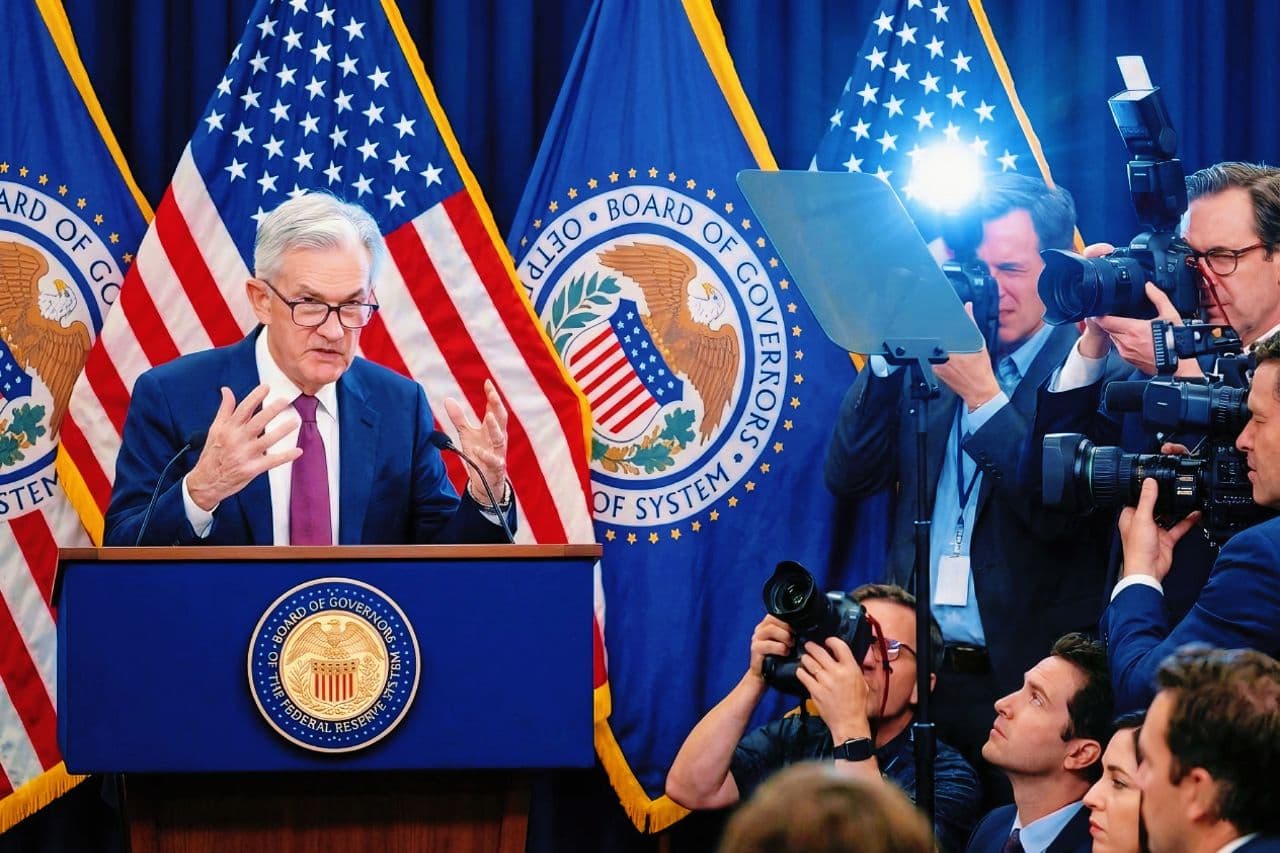
Kevin Warsh, President Donald Trump’s nominee to lead the Federal Reserve, carries a long record from his time as a Fed governor between 2006 and 2011. During the 2008 financial crisis, Warsh supported the Fed’s emergency measures to stabilize markets but argued for a faster rollback once panic subsided, earning him a reputation as a hawk. That history, however, does not fully define his current stance.
In recent years, Warsh has shifted toward a more dovish tone, aligning with Trump’s call for lower interest rates. Analysts expect this dichotomy hawkish instincts versus dovish pragmatism to shape his four-year term beginning in May when he replaces Jerome Powell. Market strategists, including Oscar Munoz of TD Securities, believe Warsh will likely support rate cuts in 2026, though questions remain about whether his hawkish persona could resurface later, influencing inflation policy and market expectations.


Kevin Warsh’s Fed Leadership Could Shape Interest Rates and Mortgage Costs
Why This Matters
Kevin Warsh’s leadership at the Federal Reserve carries weight far beyond Washington. His stance on monetary policy will directly affect interest rates, which in turn influence mortgage costs, borrowing expenses, and overall market stability. With inflation pressures still lingering and political calls for rate cuts intensifying, Warsh’s decisions could set the tone for the U.S. economy for years to come.
Financial markets, housing affordability, and consumer confidence all hinge on how Warsh balances inflation control with growth. His credibility as a former Fed governor reassures investors, but his ability to resist political pressure while guiding rates will determine whether the Fed maintains independence and stability in a volatile environment.


Kevin Warsh’s Fed Nomination Highlights Inflation Concerns and Bond Market Skepticism
Kevin Warsh’s record at the Federal Reserve reveals consistent themes that will resurface as the Senate considers his nomination by President Donald Trump. At just 35, Warsh became the youngest member of the Federal Open Market Committee, bringing insights from his time as an economic adviser to President George W. Bush. Now a fellow at the Hoover Institution, Warsh has remained critical of the Fed’s expanding role in bond markets a stance that contrasts sharply with the central bank’s current $6.6 trillion balance sheet. Analysts warn that further unwinding of these holdings could push mortgage rates higher.
Warsh’s long-standing concern about inflation, which surged years after the crisis despite his early warnings, underscores his hawkish instincts. Yet he has also demonstrated pragmatism, occasionally supporting policies he disagreed with to maintain consensus during turbulent times. His background as a Morgan Stanley banker and lawyer gave the Fed valuable market perspective during the 2008 crash, and that blend of skepticism and pragmatism will shape how he approaches monetary policy today.


Kevin Warsh’s Push for Smaller Fed Balance Sheet Could Impact Mortgage Rates
Smaller Balance Sheet?
Kevin Warsh has long been skeptical of the Federal Reserve’s quantitative easing programs, where the central bank purchased large amounts of Treasury and mortgage-backed securities to lower long-term interest rates. He was particularly critical of QE2 in November 2010, when the Fed bought $600 billion in bonds, warning that the risks of such intervention were “unknown, uncertain, and potentially large” while the benefits seemed “small and fleeting.” Warsh argued that sluggish recovery was more a result of fiscal, regulatory, and trade policies that hindered growth rather than monetary policy alone.
His skepticism has persisted well beyond his Fed tenure. In a 2025 Wall Street Journal op-ed, Warsh described the Fed’s balance sheet as “bloated” and argued it could be reduced significantly. Analysts caution, however, that unwinding the balance sheet could raise mortgage rates, making homebuying more expensive and conflicting with Trump’s push for lower borrowing costs. Joseph Abate of SMBC Capital Markets noted that shrinking the balance sheet would require major changes in how the Fed manages monetary policy and supervises banks. Even Warsh himself acknowledged in 2010 that exiting QE too abruptly could make Fed policy appear “confused and confusing,” despite his personal desire to eliminate bond purchases.
Kevin Warsh’s Fed Approach Could Redefine Forward Guidance and Market Signals
Kevin Warsh has long argued that the Federal Reserve provides too much certainty to markets, warning that excessive communication can backfire. After a rate hike in 2006, he remarked that markets must be “weaned” from the degree of certainty the Fed no longer possesses. Nearly two decades later, in an April 2025 speech, he reinforced this view, suggesting Fed officials should avoid sharing every new thought, cautioning that policymakers risk becoming “prisoners of their own words.”
Warsh has also criticized the Fed’s reliance on outdated, revision-prone data, saying it should not obsess over minor decimal points in government releases. Analysts believe this philosophy could reshape the Fed’s policy approach, reducing the likelihood of “insurance cuts” that Jerome Powell favored to preempt risks. Instead, under Warsh, inflection points in monetary policy may become less frequent but more dramatic, creating seismic shifts when the Fed changes course.
Kevin Warsh’s Fed Leadership Faces Divided FOMC on Interest Rates
For all of President Trump’s hopes of lower interest rates, Kevin Warsh will need approval from the 19-member Federal Open Market Committee (FOMC), where consensus drives policy decisions. Warsh has shown he understands this institutional reality, having previously voted for bond-buying programs despite personal opposition. During the QE2 debate, he told then-Chair Ben Bernanke that he would not have led the Committee in that direction but refrained from dissent out of respect for Bernanke’s leadership and the need to preserve unity at a critical moment. Shortly after, Warsh resigned from the Fed.
Today, Warsh enters an FOMC marked by sharp divisions. Some hawkish members remain opposed to rate cuts, while a few Trump appointees favor more aggressive easing. This fractured environment means Warsh’s ability to build consensus will be tested from the start, with markets watching closely to see whether he can balance independence, credibility, and political pressure in shaping monetary policy.
Kevin Warsh’s Fed Leadership Will Test His Consensus-Building Skills
The Federal Reserve’s actions last year drew dissenting votes from both hawks and doves, yet Jerome Powell managed to guide the committee toward three rate cuts. Analysts credit Powell’s ability to build consensus, noting that he carefully shaped and communicated his message to members before meetings. This skill proved essential in steering policy despite divisions within the Federal Open Market Committee.
For Kevin Warsh, consensus-building will be just as critical. As Trump’s nominee to lead the Fed, Warsh faces a fractured committee with differing views on interest rates and inflation. His ability to unify members around a clear policy direction will determine whether he can maintain credibility, independence, and stability in an environment where political pressure and economic uncertainty collide.
The Bottom Line
Kevin Warsh’s nomination as Federal Reserve Chair comes at a pivotal moment for U.S. monetary policy. His crisis-era hawkish record contrasts with his recent dovish tone, creating uncertainty about how he will balance inflation risks against President Trump’s demand for lower interest rates. Markets are watching closely to see whether Warsh leans toward easing or reverts to his hawkish instincts, a decision that will shape borrowing costs and investor confidence.
Warsh’s skepticism of quantitative easing and forward guidance suggests he may favor a smaller Fed balance sheet and less predictable communication, potentially raising mortgage rates and reshaping market expectations. His ability to build consensus within a divided FOMC will be critical in determining whether the Fed maintains credibility and independence while navigating political pressure and economic volatility.