Market Volatility: Stock Futures Drop, Oil Prices Surge Amid Iran Tensions
- Geopolitical Shock: U.S. and Israeli strikes in Iran over the weekend killed Supreme Leader Ali Khamenei, sparking retaliatory attacks across the region. This escalation has injected fresh uncertainty into global markets.
- Oil Prices Surge: Brent crude futures jumped more than 6% to around $77.50 per barrel, while WTI rose to $71. Rising shipping costs and war-risk premiums are expected to keep crude and freight prices elevated.
- Safe Havens Rise: Gold futures climbed nearly 2% to $5,350 an ounce, continuing their record-setting run. Investors are turning to gold and defense-linked assets as geopolitical risk intensifies.
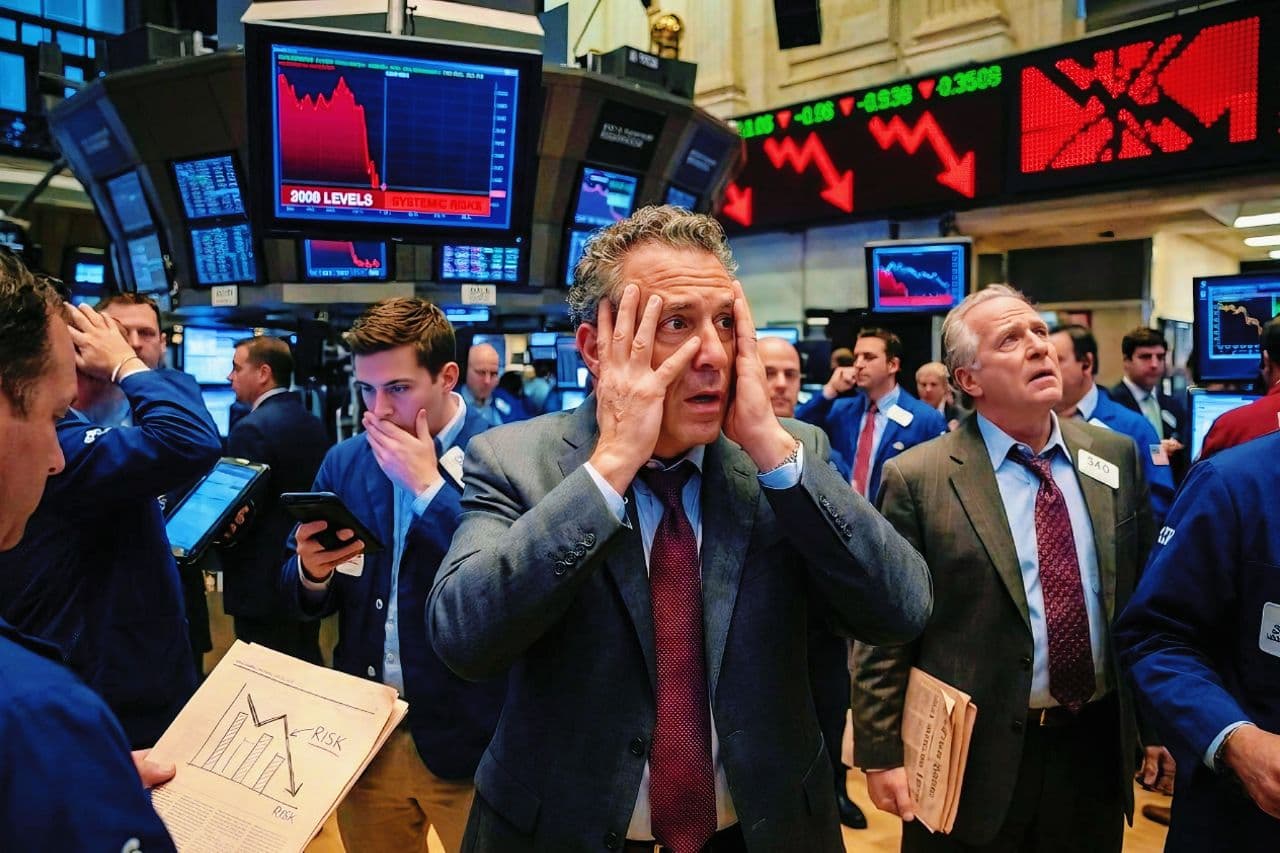
- Equities Under Pressure: Futures tied to the Dow, S&P 500, and Nasdaq each fell about 1%, reflecting risk-off sentiment. Airlines, travel, and shipping stocks are vulnerable to higher fuel and freight costs, while energy and defense names stand to benefit.
- Crypto Volatility: Bitcoin dropped sharply to $63,000 in the immediate aftermath of the strikes but rebounded to $67,000 by Sunday evening, underscoring heightened volatility.
Key Takeaways
Global Market Volatility: Stocks Slip, Oil Prices Jump Amid Iran Tensions
Stock futures fell sharply as geopolitical tensions in Iran rattled investor sentiment. The Dow, S&P 500, and Nasdaq futures each dropped around 1%, reflecting a risk-off mood across equities. This pullback comes after recent gains, highlighting how fragile confidence remains when geopolitical shocks hit financial markets.
Oil prices surged in response to the developments, with Brent crude climbing more than 6% and WTI following suit. Rising shipping costs and war-risk premiums are expected to keep energy markets elevated, adding pressure to sectors sensitive to fuel expenses such as airlines and logistics.
Safe-haven assets gained traction as investors sought protection. Gold futures rose nearly 2%, continuing their record-setting run, while defense-linked stocks are expected to benefit from heightened geopolitical risk. Meanwhile, crypto markets saw sharp swings, with Bitcoin dropping to $63,000 before rebounding to $67,000, underscoring volatility across asset classes.
The bottom line is that Iran-related developments have triggered a wave of volatility across global markets. Investors face a complex environment where energy and defense assets may offer upside, while equities tied to travel, shipping, and consumer sectors remain vulnerable to rising costs and uncertainty.






Financial markets are bracing for a turbulent start to the week after U.S. and Israeli forces launched attacks in Iran over the weekend. Oil prices surged Sunday evening as traders worried about potential supply disruptions from the Middle East, while stock futures slid as investors pulled back from riskier assets amid heightened geopolitical and economic uncertainty.
Gold continued its climb, adding to a series of record highs in recent months as investors sought safety in the traditional haven. The move reflects growing unease across markets, with volatility spreading from energy to equities and commodities.
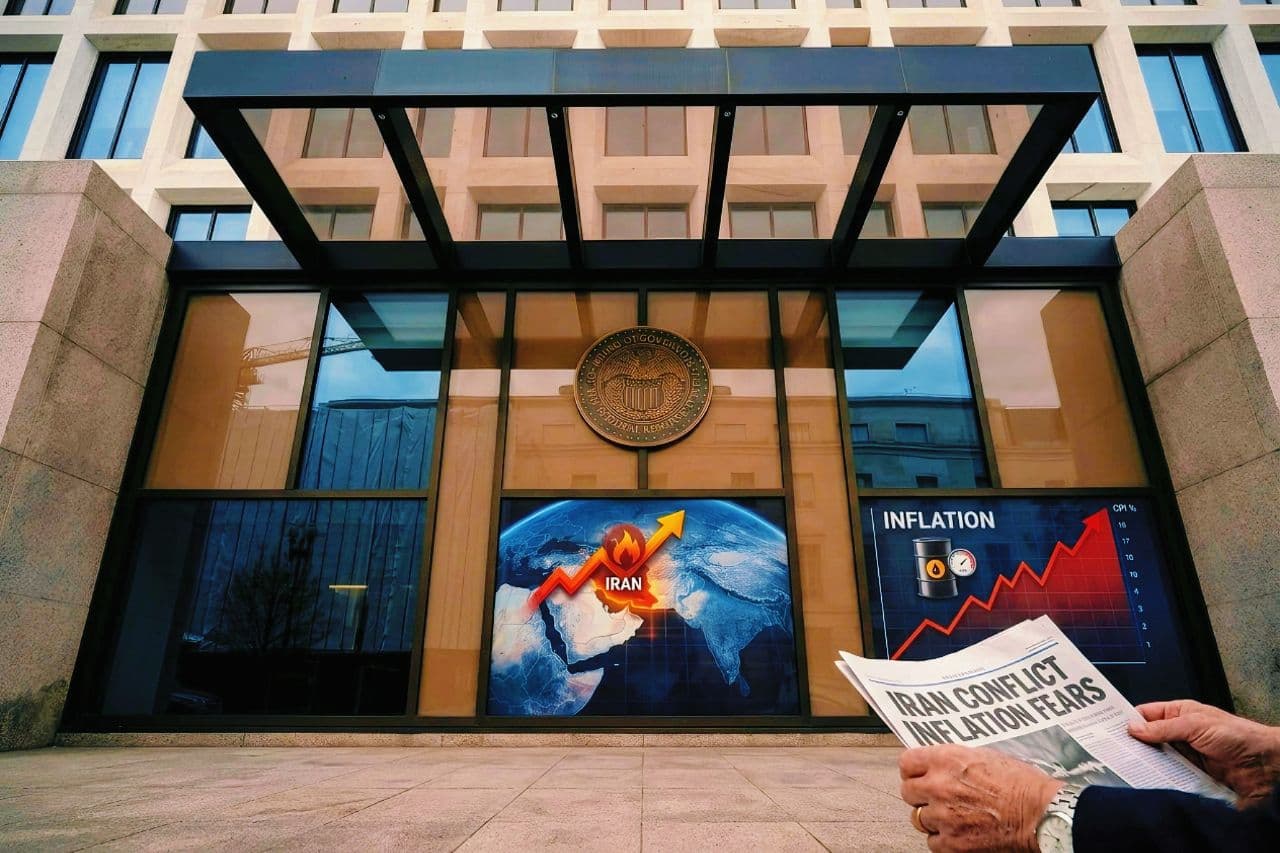
The bombing in Iran early Saturday killed Supreme Leader Ali Khamenei and caused widespread damage, sparking retaliatory strikes by Iran against U.S. and Israeli interests across the region. The escalation has intensified concerns about prolonged instability and its impact on global markets.
President Donald Trump confirmed Sunday that U.S. combat operations in Iran will continue for several more weeks, signaling that geopolitical risk will remain a dominant force shaping investor sentiment in the near term.






Middle East Conflict Fuels Market Volatility: Oil Prices Surge, Stocks Retreat
The escalation of conflict in the Middle East has injected fresh uncertainty into global financial markets. For investors and consumers alike, this matters because volatility is likely to remain elevated as geopolitical risks ripple through energy, equities, and commodities.
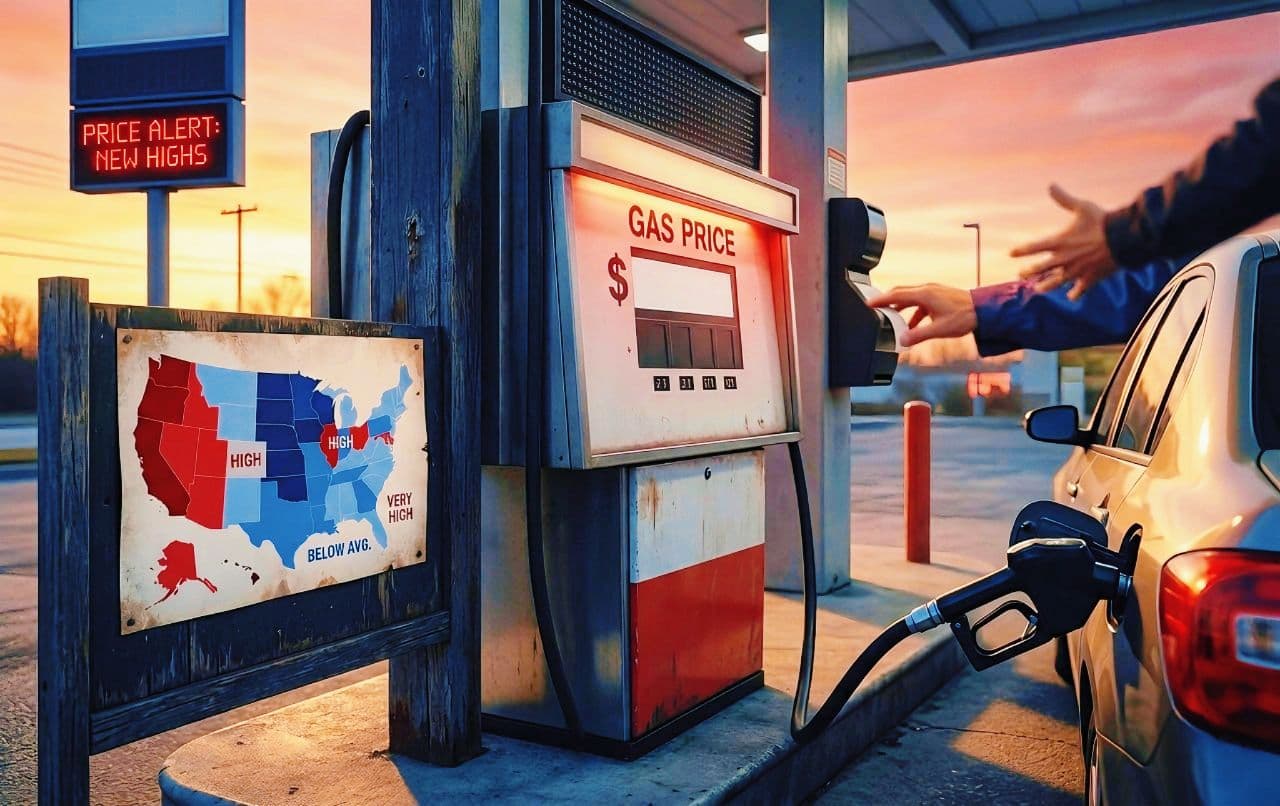
Oil prices have already surged, raising concerns about supply disruptions from the region. This directly impacts what consumers pay at the pump, with higher gasoline costs threatening to weigh on household budgets and broader economic activity.
Stock futures have retreated as investors scale back exposure to riskier assets. The shift reflects growing caution, with markets bracing for further instability as tensions between the U.S., Israel, and Iran unfold.
Gold, which has hit record highs in recent months, continues to attract investors seeking a safe haven. Its rise underscores the flight to safety during periods of geopolitical and economic stress, reinforcing the importance of diversification in uncertain times.






Oil Prices Surge, Stocks Slip as Middle East Conflict Fuels Market Volatility
Analysts at Franklin Templeton noted that the initial market reaction to the Iran strikes would typically push Treasury yields lower and equities down, reflecting a repricing of risk premiums. This pattern underscores how geopolitical shocks ripple quickly through financial markets, reshaping investor sentiment.
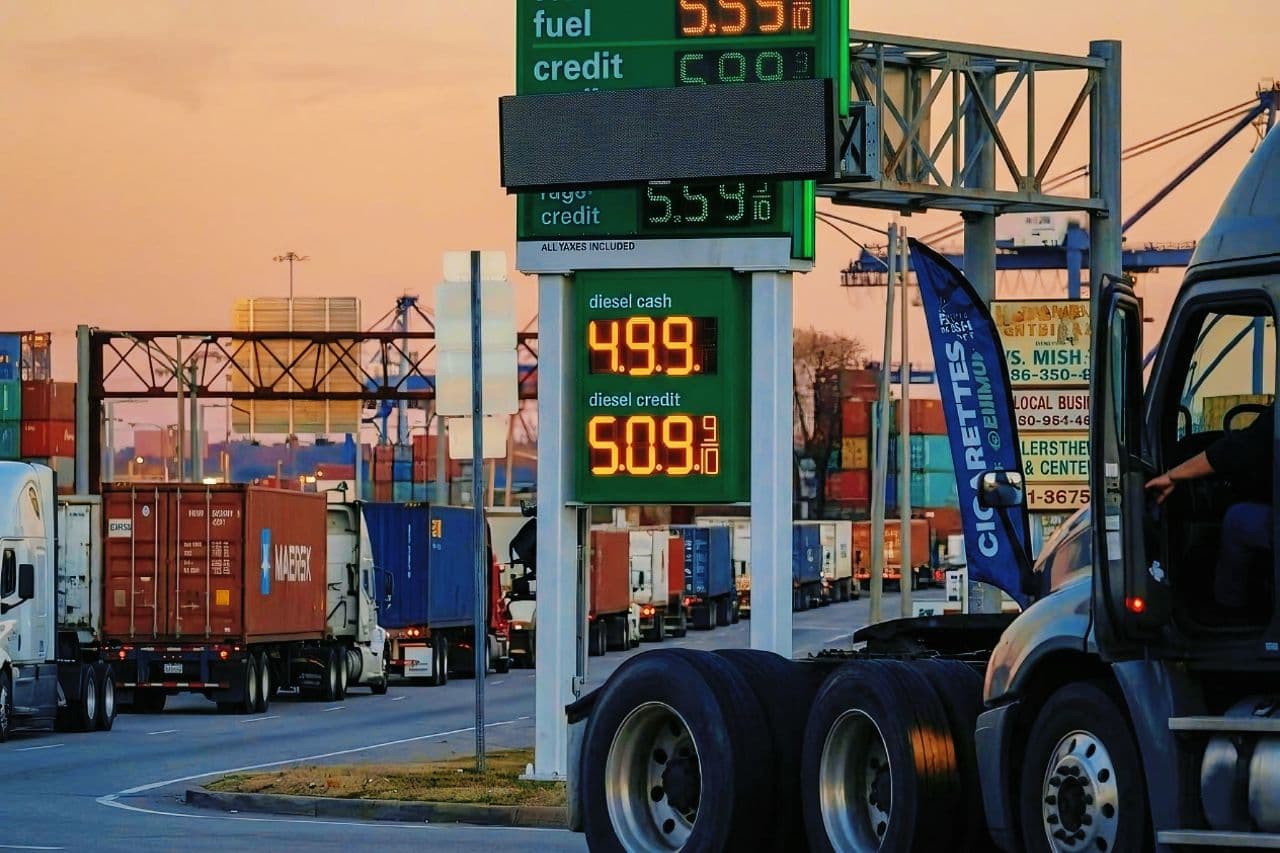
Oil and natural gas prices remain especially vulnerable, not only because the Middle East is a key producer but also due to rising shipping costs. Saxo strategist Charu Chanana emphasized that oil prices are likely to gap higher, with the move sustained by war-risk premiums, rerouting, and insurance repricing. Even without a full supply shutdown, crude and freight costs are expected to stay elevated.
Energy markets had already been trending upward before the Iran attack, with Brent crude futures climbing more than 20% year-to-date. Brent recently surged over 6% to $77.50 per barrel, its highest since June, while WTI futures rose to $71. This escalation highlights how geopolitical risk compounds existing upward momentum in commodities.
Sector impacts are uneven. Airlines, travel, and leisure companies face pressure from rising fuel costs and weaker demand, while shipping firms exposed to global trade are also vulnerable. Conversely, energy stocks, defense contractors, and critical infrastructure providers stand to benefit. Chanana noted that gold, defense, and security-linked assets are increasingly becoming core portfolio building blocks as geopolitical risk shifts from exceptional to frequent.






Stocks Fall, Gold Rises, Bitcoin Swings as Geopolitical Tensions Hit Markets
Futures tied to the Dow Jones Industrial Average, S&P 500, and Nasdaq 100 each slipped about 1% in recent trading, reflecting investor caution amid heightened geopolitical risk. Gold futures climbed nearly 2% to $5,350 an ounce, reaching their highest level in more than a month as investors sought safety in the traditional haven. Bitcoin, trading continuously, dropped sharply to $63,000 early Saturday after the strikes but rebounded to $67,000 by Sunday evening, underscoring volatility across digital assets.
Major U.S. stock indexes capped off a rocky month last week, weighed down by investor concerns over AI-related disruptions, tariff uncertainty, and questions about the economic outlook and interest rates. The yield on the 10-year Treasury note, which influences borrowing costs across consumer loans, closed Friday at its lowest level since October 2024, signaling a shift in bond market sentiment.
Analysts at Franklin Templeton Institute noted that geopolitical shocks often trigger an initial jump in risk premia before investors conclude the earnings impact is modest. They cautioned, however, that this is not yet a “buy-the-dip” setup, as factors like shipping costs, insurance repricing, and the uncertain endgame remain critical to market direction.
The bottom line is that investors face a complex environment where equities, commodities, and crypto are all reacting differently to geopolitical developments. Safe-haven assets like gold are gaining traction, while stocks and digital currencies remain vulnerable to swings driven by uncertainty.






The Bottom Line
Financial markets are entering a period of heightened volatility as geopolitical tensions escalate in the Middle East. Stock futures tied to the Dow, S&P 500, and Nasdaq have each slipped about 1%, reflecting investor caution. Oil prices surged more than 6% with Brent crude trading near $77.50 per barrel and WTI at $71, driven by fears of supply disruptions and rising shipping costs.
Safe-haven assets are gaining traction. Gold futures climbed nearly 2% to $5,350 an ounce, marking their highest level in over a month. Bitcoin, meanwhile, swung sharply dropping to $63,000 in the immediate aftermath of the strikes before rebounding to $67,000 underscoring the volatility across digital assets.
Analysts caution that while geopolitical shocks often trigger an initial repricing of risk premiums, the broader earnings impact may be modest. Still, the uncertainty around shipping mechanics, insurance costs, and the duration of conflict means investors should remain vigilant.