Markets Watch: Iran Tensions, U.S. Jobs Report, Earnings Updates
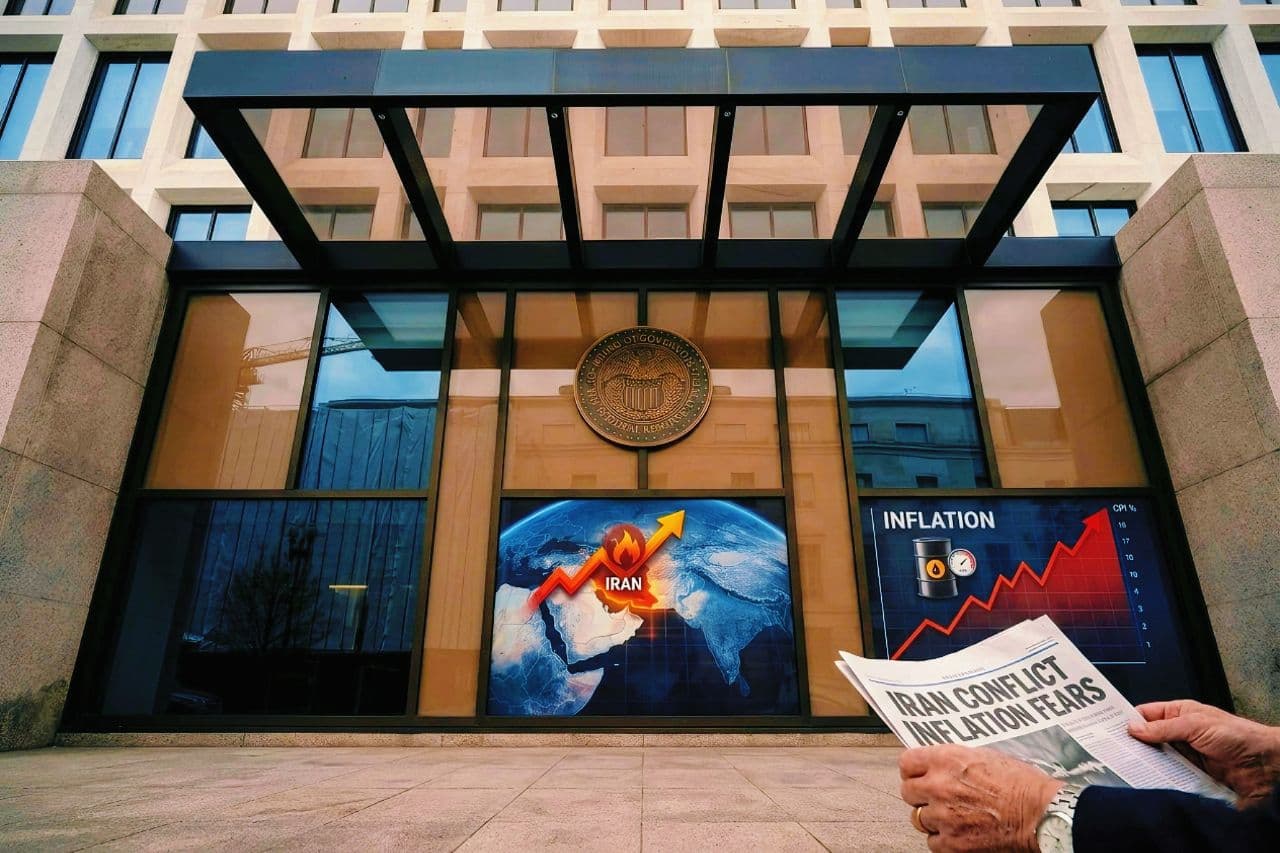
- Investors are closely monitoring developments in Iran this week, as geopolitical uncertainty continues to weigh on global markets. Any escalation could impact oil prices and broader risk sentiment, making it a key factor for traders and analysts.
- At the same time, U.S. jobs data is set to be released, providing fresh insight into the strength of the labor market. Employment figures remain a critical indicator for Federal Reserve policy decisions, particularly regarding interest rates and inflation management.
- Corporate earnings reports are also in focus, with several major companies scheduled to announce results. These updates will help investors gauge consumer demand, sector performance, and overall economic resilience amid ongoing volatility.
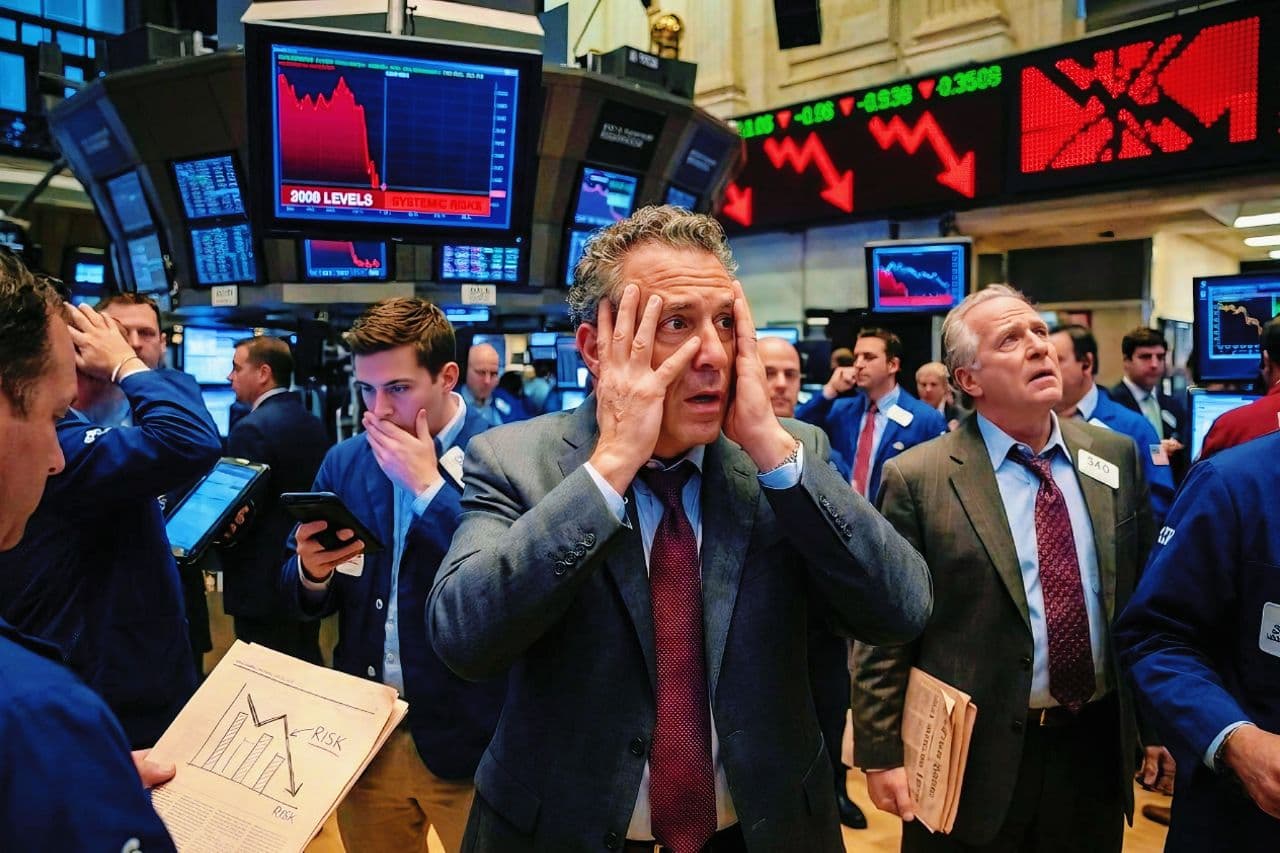
- Together, these factors—geopolitical tensions, labor market data, and earnings—form the backdrop for market sentiment this week. Investors are balancing short-term risks with long-term opportunities, making this a pivotal period for financial decision-making.
Key Takeaways
Investors Brace for Iran Tensions, U.S. Jobs Report, and Tech Earnings
Geopolitical risks surged over the weekend as the U.S. and Israel launched a joint military strike on Iran, prompting retaliatory attacks on Israel and Gulf nations. President Donald Trump also called on Iranians to overthrow their government, adding further uncertainty. Investors will be watching closely for developments, as these events could impact oil prices and global market sentiment.
Beyond geopolitics, attention turns to U.S. economic data. The government’s February jobs report is due Friday, offering insight into labor market strength after January showed signs of recovery. Retail sales data for January will also be released, following a consumer spending pullback at the end of 2025. These figures will be critical for shaping expectations around Federal Reserve policy.
Corporate earnings are another major focus. Apple has teased a “big week” of product launches, while tech firms like Broadcom and CrowdStrike are set to report results. Retail giants including Costco, Target, and Best Buy are also on the calendar, providing a snapshot of consumer demand and sector performance.
Together, geopolitical tensions, labor market data, and earnings reports create a volatile backdrop for investors. Markets will be balancing short-term risks with long-term opportunities as the first trading week of March unfolds.






Investors are bracing for the February jobs report, which could either reinforce optimism or reignite concerns about labor market weakness. January’s headline surprise 130,000 jobs added, more than double forecasts initially suggested resilience. Yet downward revisions to prior months revealed that hiring throughout 2025 was weaker than expected, tempering enthusiasm. This dual narrative has left economists divided, with some anticipating continued momentum while others warn of underlying fragility. The ADP private-sector employment report on Wednesday will serve as an early indicator of whether February can deliver another upside surprise.
Retail sales data, delayed due to last year’s government shutdown, will also be closely watched. December’s figures showed stalled consumer spending, a trend economists linked to slowing labor market growth. If January’s report confirms weak sales, it could signal that households remain cautious, reinforcing the connection between job creation and consumer demand. For investors, this data point is critical in assessing whether the U.S. economy can sustain growth amid labor market uncertainty.
The Federal Reserve’s Beige Book, due ahead of the March 17 18 policy meeting, will provide a regional snapshot of economic conditions. Combined with manufacturing and services sector surveys for February, these releases will help shape expectations for monetary policy. Stronger labor and spending data could bolster confidence in economic resilience, while weaker numbers may fuel speculation about rate cuts later in the year.
Taken together, this week’s economic calendar represents a pivotal moment for markets. With jobs, retail sales, and Fed commentary converging, investors will be parsing every signal for clarity on whether the U.S. economy is stabilizing or slipping into a slower growth trajectory.






Tech Earnings and Retail Reports: Apple Event Adds Market Buzz
Apple has set the tone for the week with CEO Tim Cook teasing “a big week ahead.” The company is expected to unveil new products, potentially including the iPhone 17e and a lower-cost MacBook, culminating in a special event on Wednesday. These announcements come at a time when investors are eager to see how Apple positions itself in a competitive tech landscape, especially following Nvidia’s blockbuster AI-driven earnings last week.
Semiconductor earnings will also dominate headlines. Broadcom is scheduled to report Wednesday, with analysts watching closely after the company projected its AI-related revenue would double in the quarter. Marvell Technology follows Thursday, with expectations centered on its AI infrastructure and data center growth. These reports will serve as a litmus test for whether AI momentum continues to translate into tangible revenue gains across the semiconductor sector.
Cybersecurity firm CrowdStrike enters the spotlight amid volatility in software stocks. While fears of AI disruption have rattled the sector, some analysts argue AI could enhance cybersecurity capabilities, positioning CrowdStrike for long-term growth. Investors will also parse results from MongoDB, Guidewire, and Samsara, each offering insights into how software and IoT firms are navigating technological shifts.
Retail earnings round out the corporate calendar. Target, under new CEO Michael Fiddelke, is seeking to sustain its rebound after a difficult 2025. Costco has also seen its stock price recover this year, while Best Buy and Ross Stores will provide additional signals on consumer resilience. Together, these reports will help investors gauge whether retail strength can balance tech-sector volatility and broader economic uncertainty.






Weekly Market Calendar: Jobs, Fed, and Earnings
| Date | Economic Data / Fed Events | Key Earnings Reports | Market Highlights |
|---|---|---|---|
| Monday, March 2 | ISM Manufacturing PMI (Feb), S&P Global U.S. Manufacturing PMI (Feb) | EchoStar (SATS), AST SpaceMobile (ASTS), MongoDB (MDB) | Apple kicks off first product launches of 2026 |
| Tuesday, March 3 | Fed speeches: John Williams (NY Fed), Neel Kashkari (Minneapolis Fed) | CrowdStrike (CRWD), Ross Stores (ROST), AutoZone (AZO), Target (TGT), Viking Holdings (VIK), On Holding (ONON), Best Buy (BBY) | Retail and tech earnings in focus |
| Wednesday, March 4 | ADP National Employment Report (Feb), ISM Services PMI (Feb), S&P Global U.S. Services PMI (Feb), Fed Beige Book | Broadcom (AVGO), Veeva Systems (VEEV), Brown-Forman (BF.A, BF.B), Okta (OKTA) | Apple “special experience” event midweek |
| Thursday, March 5 | Initial Jobless Claims (Week ending Feb. 28), U.S. Productivity (Q4), Import Price Index (Jan) | Costco (COST), Marvell Technology (MRVL), Kroger (KR), JD.com (JD), Burlington Stores (BURL), Samsara (IOT), Guidewire Software (GWRE), Gap (GAP) | Semiconductor and retail earnings dominate |
| Friday, March 6 | U.S. Employment Report (Feb), Consumer Credit (Jan), Retail Sales (Jan), Business Inventories (Dec) | Genesco (GCO) | Jobs report and consumer data close the week |






Homeownership Dreams and Financial Discipline
A recent study highlighted by Investopedia shows a striking link between housing expectations and financial behavior. Renters who give up on the idea of ever owning a home tend to spend more freely and work less, while those who remain committed to buying demonstrate stronger financial discipline. This suggests that the belief in future homeownership acts as a motivator, encouraging individuals to save, budget, and maintain steady employment.
The psychological impact of housing aspirations is significant. For many, the goal of owning a home represents stability and long-term security. When that goal fades, financial habits often shift toward short-term consumption rather than long-term planning. This behavioral change can have ripple effects on both personal finances and broader economic trends, as consumer spending patterns adjust based on confidence in future prospects.
The study also underscores how housing affordability challenges are reshaping financial priorities. Rising home prices and tighter lending standards have made ownership more difficult, particularly for younger generations. Yet those who continue to plan for ownership often show resilience, adapting their spending and saving strategies to align with long-term goals.
For policymakers and economists, these findings highlight the importance of housing accessibility in shaping financial discipline across the population. Encouraging pathways to ownership may not only improve household stability but also foster healthier economic behavior overall.






The Bottom Line
This week blends geopolitical uncertainty, labor market signals, and corporate earnings into a high-stakes mix for investors. The U.S. strike on Iran and subsequent regional tensions have already rattled sentiment, while February’s jobs report will determine whether January’s surprise gains were a turning point or an anomaly. Retail sales data, delayed by last year’s shutdown, will further clarify consumer strength.
On the corporate side, Apple’s product launches and semiconductor earnings from Broadcom and Marvell will test whether AI-driven growth continues to deliver. Retailers like Target, Costco, and Best Buy provide another lens into consumer resilience, especially after a challenging 2025.
The Federal Reserve’s Beige Book and PMI surveys round out the calendar, offering insight into regional economic conditions ahead of the March policy meeting. Together, these events will shape expectations for monetary policy and investor confidence.
For traders, the bottom line is clear: this week’s convergence of jobs, earnings, and Fed commentary could set the tone for markets heading into spring.