Oil Price Surge 2026: Recession Risks Rising
- Oil prices hovered around $100 a barrel today as the war in Iran continued to disrupt global flows and Middle East production. The sustained pressure on energy markets is raising alarms among economists and investors about the potential fallout for growth.
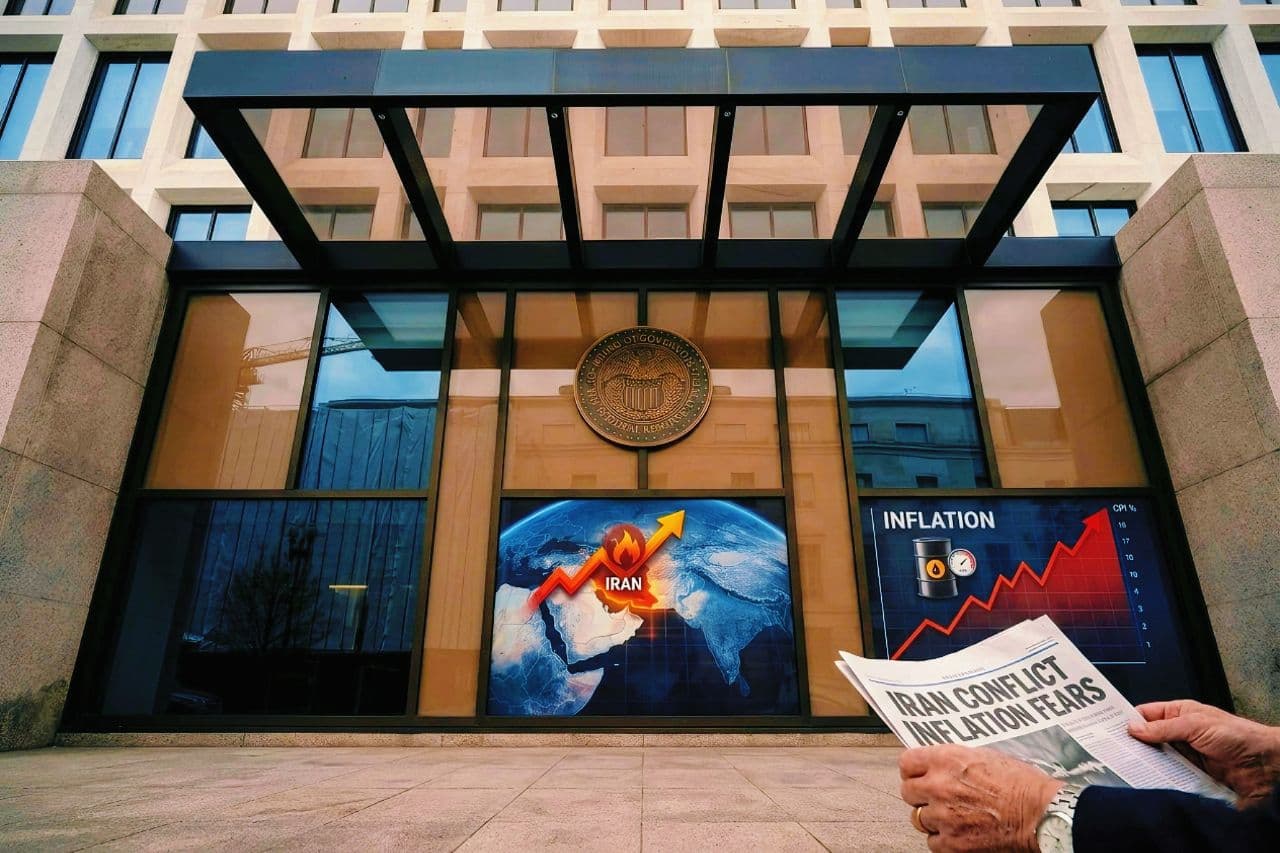
- Persistent oil price increases could aggravate inflation, driving up costs across industries and eroding consumer purchasing power. Analysts warn that if prices climb further, the strain on households and businesses could intensify, slowing economic activity.
- Some experts believe the risk extends beyond inflation. With crude already at multi-year highs, the possibility of prices reaching levels that tip the U.S. into recession is now part of the conversation. Rising energy costs have historically been a trigger for downturns, and current conditions echo those warning signs.
- The broader implication is clear: oil markets are now a central driver of economic risk. If disruptions persist, the combination of inflationary pressure and weaker growth could push the U.S. economy toward a recessionary path.
Key Takeaways
Oil Price Shock 2026: Global Economy on Edge
The price of oil surged again Monday as the war in Iran entered its second week, raising urgent questions about the impact on consumers, markets, and the global economy. Futures jumped to nearly four-year highs Sunday evening, with Brent crude and West Texas Intermediate both approaching $120 a barrel before retreating to around $100 Monday morning. Oil prices are now up about 40% since U.S. and Israeli strikes began late last month.
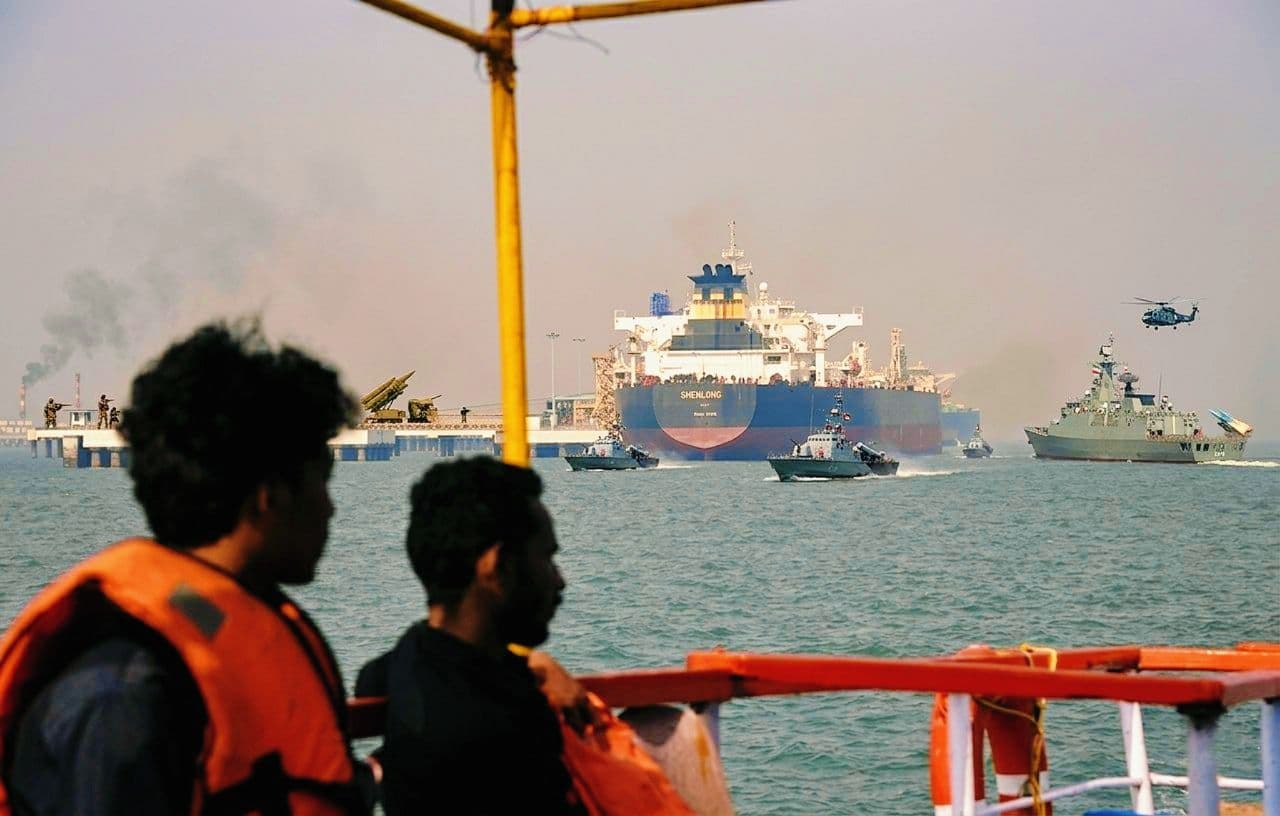
Iran has escalated the conflict by launching missile and drone strikes on oil infrastructure in neighboring countries, while effectively shutting down the Strait of Hormuz. This critical passage handles about one-fifth of the world’s oil and liquefied natural gas exports, making its closure a severe blow to global energy flows.
Over the weekend, U.S. and Israeli forces targeted energy assets inside Iran, further intensifying fears of prolonged disruption. Analysts warn that if the strait remains blocked, the ripple effects could extend far beyond energy markets, driving inflation higher and slowing global growth.
The broader implication is clear: oil markets are now at the center of geopolitical and economic risk. With crude prices climbing and supply chains under threat, investors and policymakers must prepare for volatility that could reshape the global outlook in 2026.






While the U.S. economy is more insulated from oil price shocks than in past decades, experts caution that a persistent rise in crude costs still poses serious risks. Inflationary pressures could intensify as higher energy prices ripple through supply chains, raising costs for businesses and consumers alike.
These inflationary effects would not occur in isolation. A shaky labor market already reflects weaker hiring and lower quit rates, signaling reduced worker confidence. Adding energy-driven inflation to this mix could further strain household budgets and slow consumer spending.
At the same time, uncertainty surrounding AI-driven disruption adds another layer of risk. As industries adapt to automation and digital transformation, the combination of rising costs and structural change could weigh on productivity and growth.
Persistent oil price increases could compound existing vulnerabilities in the labor market and technology-driven transitions. Without proactive measures, the U.S. economy risks slowing under the weight of inflation and volatility.






Oil Price Surge 2026: Recession Risks Intensify
Bank of America analysts warned Friday that a persistent rise in oil prices above $100 a barrel could shave more than 60 basis points off U.S. GDP growth. They cautioned that sustained high prices would aggravate inflation, pressure low-income consumers, and weigh on the stock market tightening financial conditions for wealthier households who have been propping up the economy.
The risks grow sharper if prices continue to climb. BofA noted that a doubling in oil prices, while unlikely, could trigger a recession. Crude would need to rise another 45% to about $140 a barrel to reach that threshold since the start of the war.
Macquarie analysts added that Iran’s closure of the Strait of Hormuz could push oil prices to $150 a barrel if it lasts several weeks. The strait is a critical artery for global energy flows, and prolonged disruption would send shockwaves through markets.
Other experts see less severe outcomes. Rystad Energy forecast that a four-month disruption could lift prices to $135, while a two-month crisis would likely cap prices at $110. Still, the consensus is clear: prolonged instability in the Middle East poses significant risks to both inflation and growth.






Oil Price Surge 2026: Consumer Costs and Market Fallout
Oil producers in the UAE, Kuwait, and Iraq have begun cutting production to avoid filling storage facilities, while Saudi Arabia is redirecting crude exports through the Red Sea to bypass the Strait of Hormuz. In response, G7 finance ministers signaled they may release oil from strategic reserves to offset disruptions and stabilize supply.
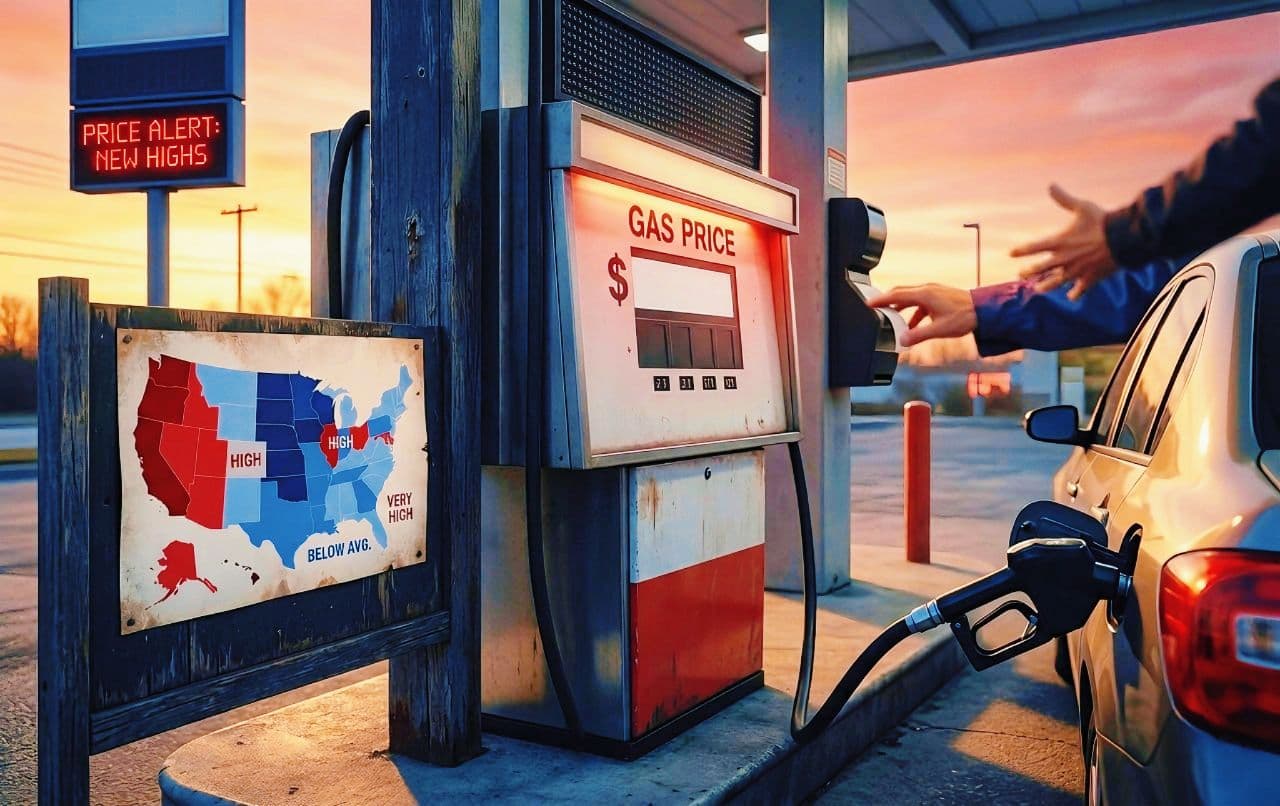
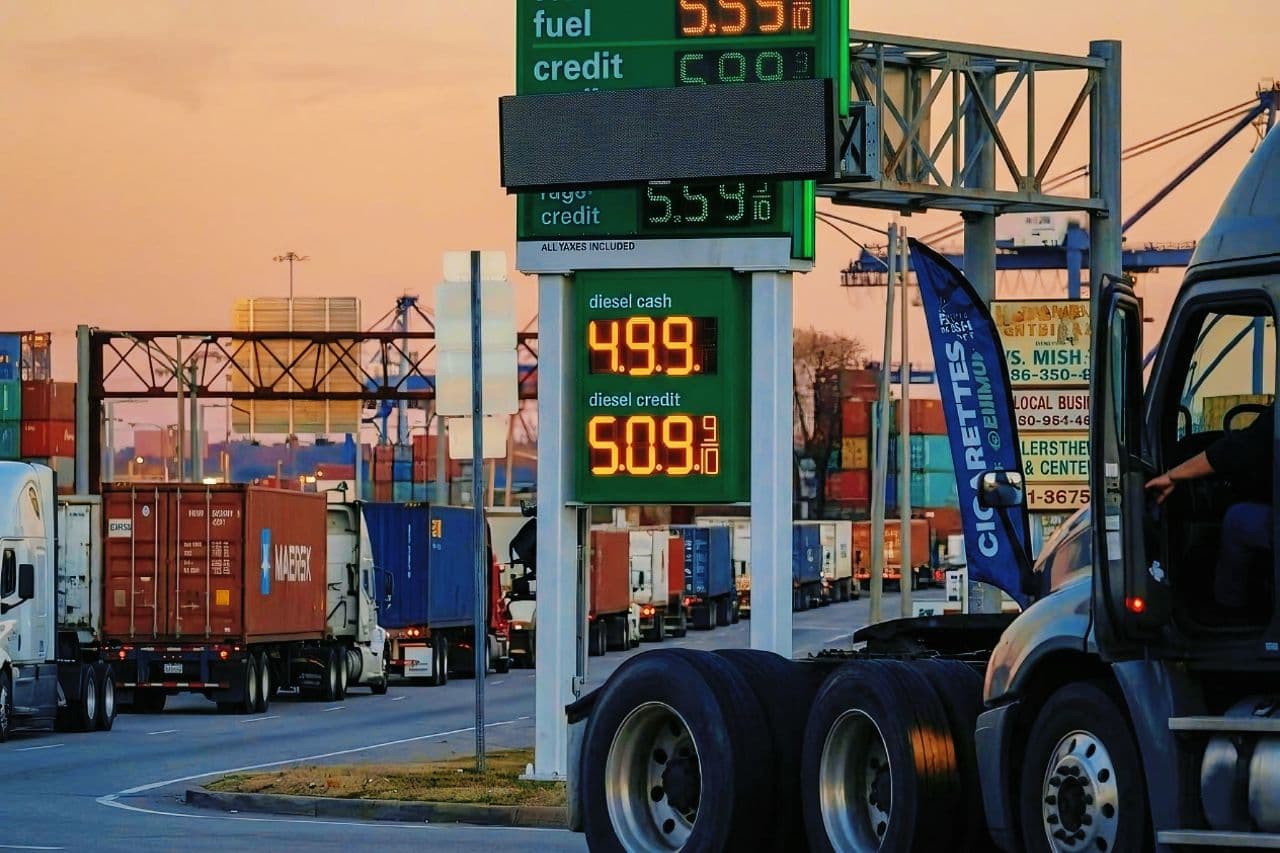
U.S. consumers are already feeling the impact. The national average gas price has jumped 16% in the past week, marking the sharpest rise since Russia’s invasion of Ukraine in 2022. Higher fuel costs feed directly into consumer prices at the pump and indirectly through shipping, raising the overall cost of living.
These pressures could intensify political challenges. Rising gas prices may add pressure on the Trump administration to ease tensions in the Middle East. With midterm elections approaching, the cost of living is expected to be a central issue for voters, potentially shaping control of Congress and influencing domestic and foreign policy agendas.
Markets are also reacting. Companies heavily exposed to fuel costs and global instability are seeing sharp declines. United Airlines and Delta Airlines have dropped 20% and 14% respectively since the war began, while Carnival Corp. and Norwegian Cruise Line Holdings have both lost more than 20% of their value.






The Bottom Line
Global oil producers are cutting output and rerouting supply chains to manage disruptions, but the closure of the Strait of Hormuz has already sent gas prices soaring for U.S. consumers. The national average jumped 16% in just one week, the sharpest rise since Russia’s invasion of Ukraine, directly raising costs at the pump and indirectly inflating shipping expenses.
These pressures are spilling into politics, with rising living costs expected to dominate the November midterm elections. Higher fuel prices could shape voter sentiment and influence control of Congress, adding urgency for policymakers to ease tensions in the Middle East.
Markets are also feeling the strain. Airlines and cruise operators, heavily exposed to fuel costs and global instability, have seen sharp declines in stock value. United Airlines and Delta are down 20% and 14% respectively, while Carnival and Norwegian Cruise Line have both lost more than 20%.
The broader implication is clear: persistent oil shocks are not only squeezing consumers but also destabilizing markets and politics. Without decisive action, the combination of inflation, geopolitical risk, and corporate losses could weigh heavily on both the economy and investor confidence.