Silver Investment Surge Gold Alternative Driving Hot Trade Trends
- Investors are increasingly shifting their focus toward silver, with enthusiasm surpassing the recent hype around artificial intelligence trades, according to Vanda Research. This growing obsession highlights silver’s appeal as a dynamic alternative investment in today’s market.
- Citi’s commodities analysts have raised their price target on silver, positioning the metal as a powerful alternative to gold and branding it as a high-growth opportunity for traders seeking strong returns.
Key Takeaways
Silver Investment Surge Outshines Gold in Global Market Trends
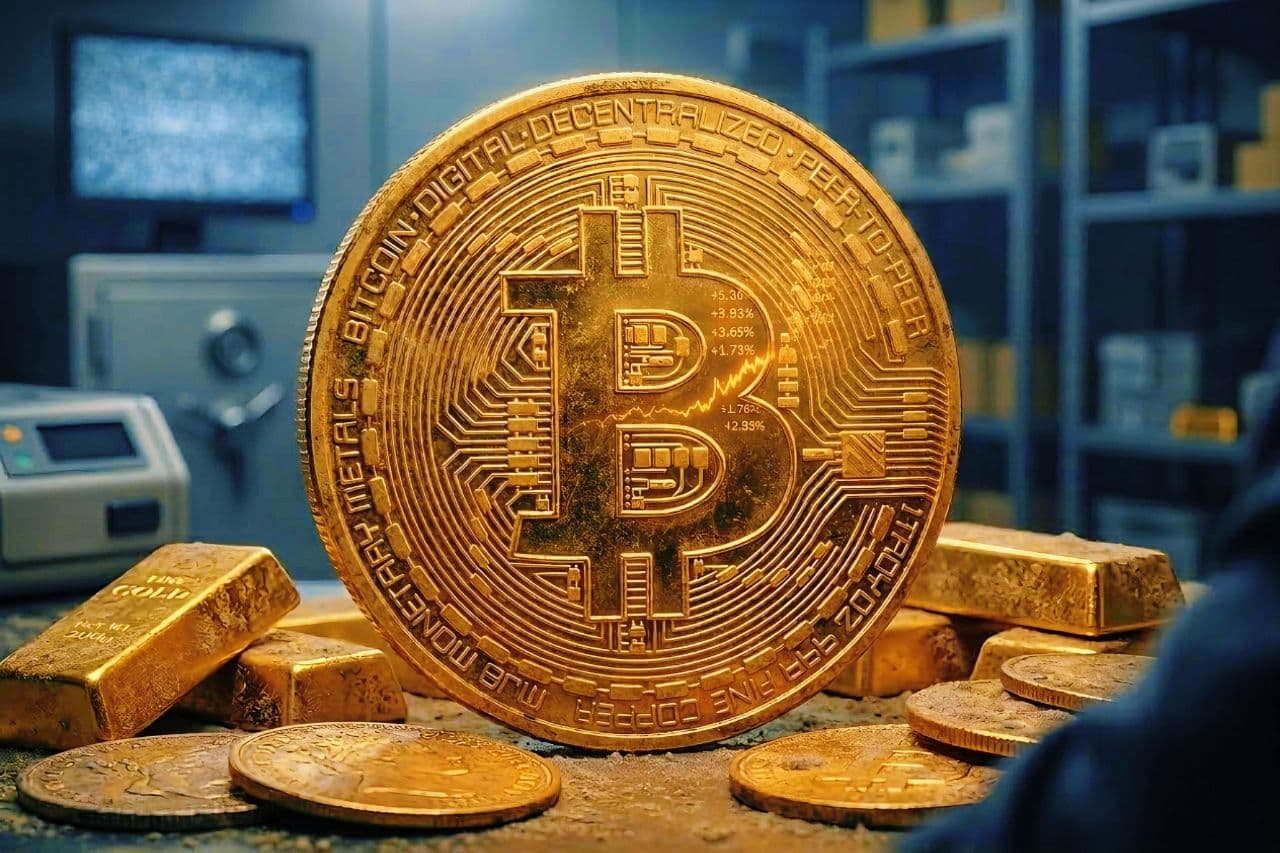
Silver is no longer seen as a secondary option in today’s investment landscape. Rising geopolitical tensions and risks in the U.S. including concerns over potential government shutdowns have pushed investors toward hard assets, driving their values to historic highs. While gold’s breakthrough above the $5,000 mark captured headlines, silver’s rally has been even more aggressive, positioning it as the standout performer among precious metals.
Spot silver has surged nearly 50% this year, far surpassing gold’s gain of over 15%. Although prices recently retreated from an intraday peak of about $117, analysts expect silver to maintain its momentum in the near term. Unlike gold, which has benefited from central bank purchases and institutional hedging, silver’s rise has been fueled by individual investors, making it the hottest trade in the commodities market right now.


Why Silver’s Rally Matters for Investors in Today’s Market
Gold’s surge to record highs has been fueled largely by central bank purchases and institutional hedging. Silver, however, is riding a different wave. Analysts highlight that retail investors are the driving force behind silver’s rapid climb, making it a unique case in the commodities market. This grassroots momentum underscores silver’s appeal as a more accessible and dynamic investment, positioning it as a hot trade opportunity distinct from gold’s institutional-driven rally.


Silver Trading Momentum Surpasses Tech Stocks and Draws Global Investor Attention
Analysts are increasingly framing silver as the standout commodity in today’s market, with some likening its surge to meme stock behavior. Vanda Research reports that silver has overtaken Nvidia in trading momentum, fueled by retail investors who poured $171 million into the iShares Silver Trust (SLV) in a single day marking the largest net retail inflow ever recorded for the ETF. This unprecedented activity underscores silver’s transformation into a hot trade opportunity beyond traditional precious metals investing.
Market strategist Michael Antonelli compared silver’s trajectory to GameStop in 2026, highlighting its speculative appeal among retail traders. At the same time, silver is attracting bearish bets, with short-sellers leveraging the ProShares UltraShort Silver ETF (ZSL) to capitalize on potential declines. This split between rally chasers and short-sellers reflects the volatile dynamics shaping silver’s current market narrative.
Emerging-market investors are also contributing to silver’s rally, with Shanghai prices recently outpacing those in London. Citi’s commodities analysts noted that China’s only silver ETF is suspending new subscriptions to curb retail speculation, signaling both the intensity of investor demand and regulatory caution in global markets.


Silver Price Forecast Signals Strong Upside Potential for Investors
Layton and his team anticipate silver demand will remain resilient, with the metal expected to climb until it appears expensive compared to gold by historical standards. Analysts suggest that if gold trades in the $5,100 to $5,400 range and the gold-silver ratio returns to the 2011 low of 32, silver could reach $170. In a far less likely scenario where the ratio falls to the 1979 low of 14, silver prices could surge toward $300.
Citi has raised its near-term silver price target to $150 from $100, marking the second upward revision this month after the metal exceeded earlier forecasts. However, one risk factor remains: potential profit-taking in China ahead of the Lunar New Year, which could temporarily weigh on silver’s momentum.


The Bottom Line
Silver’s explosive rally has shifted it from a secondary asset into a leading investment story. Retail investors are fueling unprecedented inflows, analysts are raising price targets, and global demand from Shanghai to Wall Street is keeping momentum strong. While risks like profit-taking in China ahead of the Lunar New Year remain, silver’s trajectory suggests continued upside, with potential to outperform gold in the near term.