Small-Cap Stocks Forecast 2026: Expert Market Predictions and Inflation Insights
- Michael Arone of State Street suggests that investors should prepare for a “positive surprise” in this segment, pointing to favorable conditions that could drive growth.
- This positions small caps as a compelling opportunity for traders and portfolio managers seeking diversification and higher returns in 2026.
Key Takeaways
Small-Cap Stocks 2026: Expert Market Forecasts, Healthcare Gains, and Inflation Trends
A potential stock market surprise nearly a decade in the making could unfold this year. For nine straight years, predictions that small-cap companies would outperform large-cap shares have missed the mark. But according to State Street’s chief investment strategist Michael Arone, 2026 may finally deliver that long-awaited shift. Despite investors pulling $12 billion from small-cap ETFs through January, the Russell 2000 index has already surged 8% year-to-date, outpacing both the Russell 1000 and the S&P 500.
Arone’s report outlines three key predictions: small-cap stocks outperforming, healthcare stocks leading the broader market, and inflation undershooting expectations. If these trends hold, investors who abandoned small caps could be caught off guard, while those positioned in healthcare may benefit from undervalued opportunities. Lower inflation would also stabilize the market, creating favorable conditions for growth-oriented strategies.






Smart Money Shifts in 2026: Institutional Investors Favor Small-Cap Stocks Over Large Caps
Institutional investors often referred to as the “smart money” have been steadily tilting portfolios away from U.S. large-cap stocks. This move aligns with expert forecasts that underappreciated areas of the market, particularly small caps, could deliver stronger relative returns this year. With financial strategists pointing to favorable conditions for small-cap growth, these portfolio adjustments may prove prescient as 2026 unfolds.
For individual investors, this trend signals that overlooked sectors could hold significant upside potential. As large caps face headwinds, small-cap stocks may benefit from renewed attention and capital inflows, creating opportunities for those willing to diversify beyond traditional market leaders.






Small-Cap Stocks 2026: Lower Interest Rates and IPO Growth Fuel Market Momentum
Market folklore suggests January sets the tone for the year, and early signs point to small-cap outperformance. But beyond seasonal sentiment, fundamental and macroeconomic factors are aligning in favor of small companies. Michael Arone highlights a weaker dollar and deregulation as catalysts that could boost IPO activity, creating fresh opportunities for investors.
Expectations of lower interest rates further strengthen the case. Arone notes that interest expenses for small companies have already begun to decline, and as the Federal Reserve extends its rate-cutting cycle, profitability should rise. Consensus estimates for small-cap earnings in 2026 now exceed those of large-cap firms, underscoring the potential for sustained growth in this overlooked segment.


Fed Rate Cuts, Inflation Outlook, and Healthcare Stocks: 2026 Market Opportunities
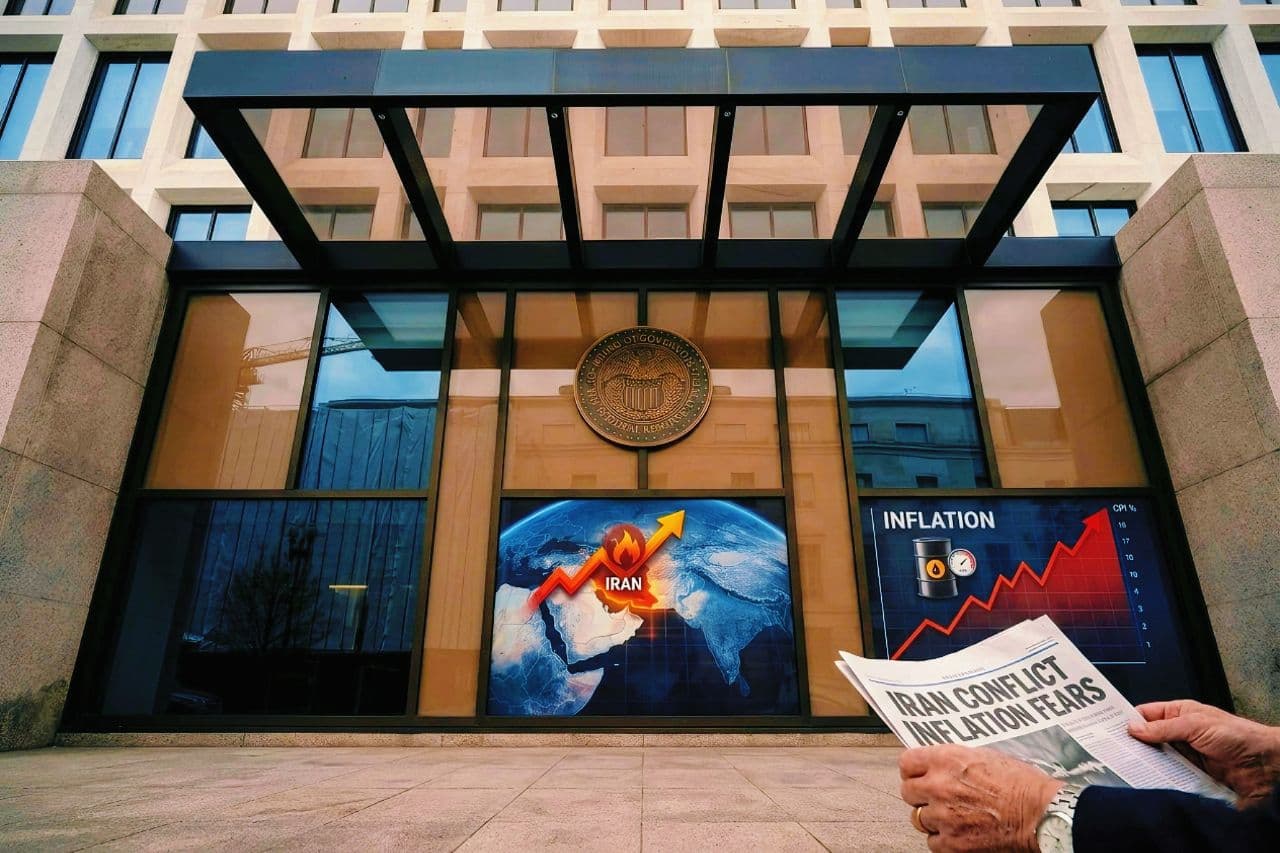
The Federal Reserve isn’t expected to lower rates until June, coinciding with Jerome Powell’s departure and Kevin Warsh’s potential appointment. While oil prices have recently spiked due to geopolitical concerns, Michael Arone expects this to be short-lived, with tariff-related pressures easing by midyear. His forecast points to inflation surprising to the downside, offering a more stable environment for investors.
Healthcare stocks, meanwhile, present a compelling opportunity. Despite net inflows of just $537 million into healthcare ETFs compared to $10.6 billion for industrials, the sector’s depressed valuations relative to the broader market make it attractive. Historically, healthcare has outperformed during mid-term election years, and with its weight in the S&P 500 at a 40-year low, Arone sees strong potential for gains in 2026.






The Bottom Line
Institutional investors are already shifting away from large caps, and Michael Arone’s forecasts suggest small-cap companies could finally deliver stronger returns after years of underperformance. With the Federal Reserve expected to cut rates midyear, inflation surprising to the downside, and healthcare stocks trading at historically low valuations, 2026 could be a turning point for overlooked sectors.
For investors, this means paying attention to small-cap momentum, monitoring inflation data closely, and considering healthcare as a contrarian play. These areas may offer compelling opportunities in a year where market surprises could redefine portfolio strategies.