State of the Union 2026: Economic Outlook and Money Impact
- In his State of the Union speech, President Donald Trump defended his economic policies, arguing that his controversial tariffs were responsible for what he called an economic “turnaround for the ages.” The remarks reinforced his administration’s belief that trade barriers have been a key driver of growth.
- Trump also announced plans to require tech companies to build power plants to support their massive data centers. He said this move would shield consumers from rising electricity costs while ensuring that AI and cloud infrastructure expansion does not strain the broader energy grid.
- Another major policy highlight was retirement reform. Beginning next year, workers without access to employer‑match 401(k) plans will be able to join the same plan offered to federal employees. The government will provide a $1,000 match, expanding retirement savings opportunities for millions of Americans.
- These initiatives reflect Trump’s focus on tariffs, energy policy, and retirement security as pillars of his economic agenda. The measures are designed to appeal to both workers and investors, while signaling that technology and trade remain central to his administration’s vision for growth.
Key Takeaways
State of the Union 2026: Tariffs, Tech, and Household Finances
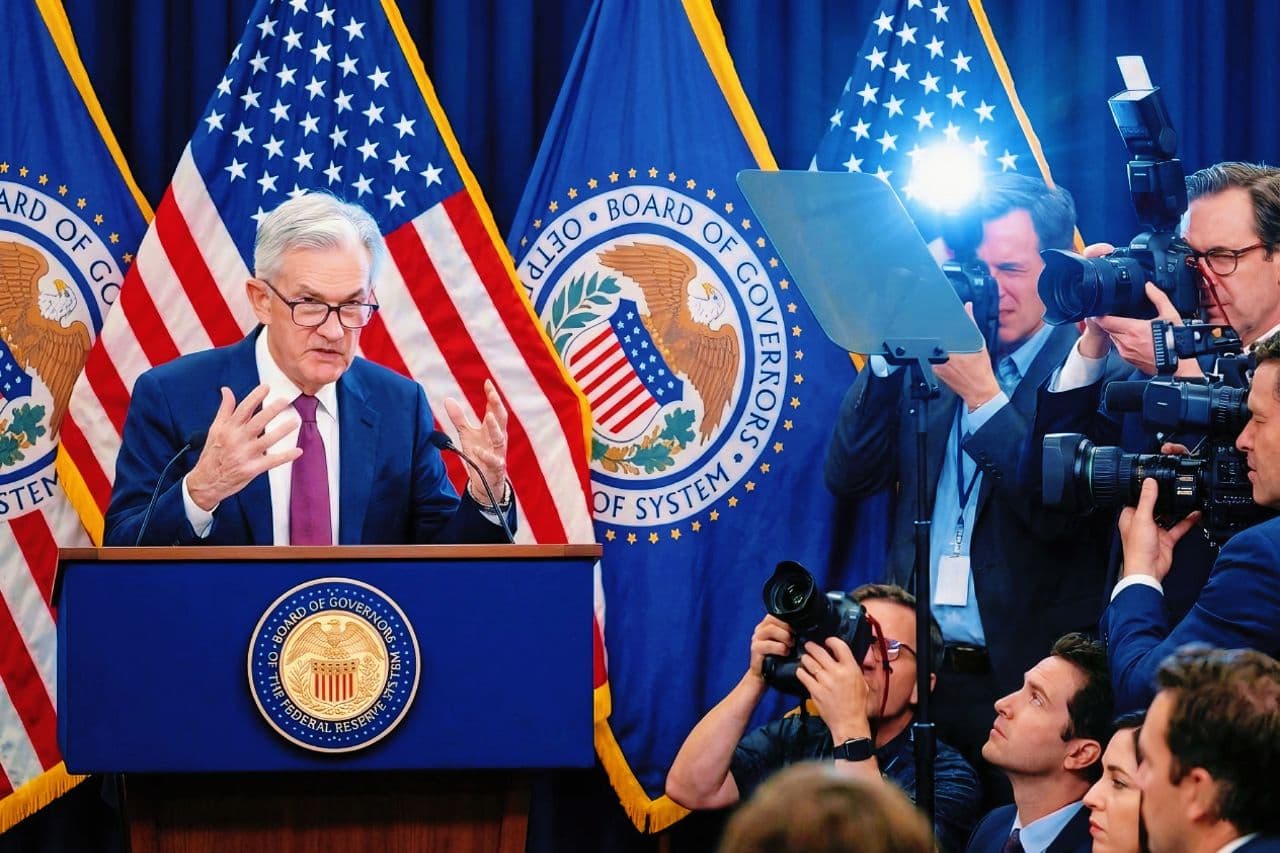
President Donald Trump delivered a record‑long State of the Union address, defending his economic policies and introducing new measures aimed at household finances. He described affordability concerns raised by Democrats as “a dirty, rotten lie” and claimed his tariffs were responsible for an economic “turnaround for the ages.” The speech, lasting nearly one hour and 47 minutes, was the longest since at least 1964.
Trump spent much of his remarks defending tariffs, despite widespread disapproval among the public and economists who argue they have raised consumer prices. He insisted tariffs were the key to economic success and suggested they could one day replace income taxes. He also criticized the Supreme Court for overturning many of his tariff measures but vowed to continue them under new legal justifications.
Another major policy announcement targeted the tech industry. Trump said companies operating massive data centers should build their own power plants to meet energy needs, rather than relying on the existing grid. He argued this would help offset rising household electricity costs linked to the AI boom, while lowering prices for local communities.
On housing, Trump emphasized affordability through lower interest rates rather than reducing home prices. He also proposed banning large investors from buying single‑family homes, claiming corporations were outbidding individuals. In addition, he introduced a retirement reform plan allowing workers without employer‑match 401(k) access to join the same plan offered to federal employees, with a government match of up to $1,000 annually.






President Donald Trump devoted a significant portion of his State of the Union speech to defending his signature economic policy tariffs. Despite widespread public disapproval, with 64% of U.S. adults opposing them in a recent ABC/Washington Post/Ipsos poll, Trump insisted tariffs are the cornerstone of America’s economic success. Economists, however, argue the measures have raised consumer prices as importers pass costs along to households.
Trump claimed tariffs have helped secure trade deals, end foreign wars, and could eventually replace income taxes altogether, “taking a great financial burden off the people that I love.” This bold assertion reflects his vision of tariffs as not just a trade tool but a long‑term fiscal strategy.
The president also criticized the Supreme Court for overturning many of his tariff measures last week. He vowed to continue them under new legal justifications, signaling his determination to keep tariffs central to his economic agenda despite legal setbacks.
Trump’s defense of tariffs underscores his broader narrative of an economic “turnaround for the ages.” While critics point to higher consumer costs, his administration frames tariffs as a driver of growth and national strength, positioning them as a defining feature of his legacy.






State of the Union 2026: Inflation and Blame Game
President Donald Trump repeatedly blamed the post‑pandemic surge of inflation on his predecessor, Joe Biden, while taking credit for bringing inflation down from its 2022 peak. He argued that “the Biden administration and its allies in Congress gave us the worst inflation in the history of our country,” and claimed his administration had driven core inflation to its lowest level in more than five years.
Despite Trump’s assertions, the most influential measure of inflation core inflation, which excludes volatile food and energy prices remains higher than when he took office. According to the Personal Consumption Expenditures (PCE) price index, core inflation rose 2.9% in December, compared with 2.7% in January 2025. This suggests that while headline inflation has moderated, underlying price pressures persist.
Trump’s framing of inflation as a partisan issue highlights his broader strategy of contrasting his policies with Biden’s. By emphasizing tariffs, energy reforms, and retirement initiatives, he positions his administration as actively tackling affordability challenges, even as economists point to lingering inflationary pressures.
The speech underscores the political stakes of economic messaging. While Trump claims victory in curbing inflation, data shows mixed results, leaving households still grappling with higher costs. The narrative reflects both the administration’s desire to project strength and the ongoing debate over how much progress has truly been made.






State of the Union 2026: Tech Power and Energy Costs
In one of his new policy announcements, President Donald Trump said he would require technology companies to build their own generators and power plants to support their massive data centers. The initiative is designed to reduce reliance on the existing electrical grid and offset the surge in household electricity prices linked to the AI boom.
Trump emphasized that major tech firms have “the obligation to provide for their own power needs.” By mandating self‑sufficient energy infrastructure, he argued that communities would benefit from lower electricity costs, while ensuring that the expansion of AI and cloud computing does not strain public utilities.
The proposal reflects Trump’s broader economic strategy of shifting responsibility onto corporations to manage the costs of their own growth. By targeting the tech industry, he aims to balance innovation with affordability, positioning the policy as a safeguard for households facing higher utility bills.
This announcement underscores the administration’s focus on energy affordability as a key pillar of its economic agenda. It also highlights the intersection of technology and infrastructure, with Trump framing the policy as both a consumer protection measure and a way to stabilize local energy markets.






State of the Union 2026: Housing Affordability and Interest Rates
President Donald Trump outlined his plan for affordable housing during the State of the Union, making clear he would not attempt to lower home prices directly. Instead, he emphasized lowering interest rates as the key to solving what he described as the “Biden‑created housing problem.”
Trump argued that reducing borrowing costs would make housing more accessible for new buyers while protecting the value of existing homeowners. He said many Americans “feel rich for the first time in their lives” because of rising home values, and his policy aims to preserve that sense of wealth while easing affordability challenges.
The proposal reflects Trump’s broader economic philosophy of protecting asset values while addressing affordability through financial mechanisms rather than structural reforms. By focusing on interest rates, he positions his administration as safeguarding both household wealth and market stability.
This approach underscores the tension between affordability and asset protection. While lower rates may ease monthly payments, critics argue that without addressing supply and pricing, housing accessibility will remain limited. Trump’s plan highlights his priority of balancing affordability with protecting homeowners’ equity.






State of the Union 2026: Tariffs and Economic Outlook
President Donald Trump’s State of the Union speech did not introduce any major new economic policies. Instead, he focused heavily on defending tariffs, which remain unpopular with both economists and the public. He framed tariffs as the backbone of America’s economic strength, despite widespread criticism that they have raised consumer prices.
Trump argued that tariffs are essential for securing trade deals and protecting U.S. industries, positioning them as a long‑term solution rather than a temporary measure. He even suggested they could one day replace income taxes, casting them as a tool to relieve financial burdens on households.
Economists, however, continue to warn that tariffs have pushed up costs for everyday products, as importers pass the added expenses on to consumers. This disconnect between Trump’s narrative and economic data highlights the ongoing debate over whether tariffs truly benefit the broader economy.
The speech underscores Trump’s determination to make tariffs central to his legacy. While critics point to affordability challenges, his administration insists tariffs are driving growth and stability, setting the stage for continued political and economic battles over trade policy.






State of the Union 2026: Mortgage Rates and Housing Affordability
Mortgage rates have fallen during President Donald Trump’s term, easing pressure on housing affordability. According to Freddie Mac, lenders charged an average of 6.01% last week for a 30‑year fixed‑rate mortgage, down from 6.96% when Trump took office. This decline has had a meaningful impact on household budgets, lowering borrowing costs for new buyers and refinancing homeowners alike.
The drop in rates translates into significant savings. Realtor.com senior economist Jake Krimmel estimated that under today’s rates, a homeowner would pay about $3,000 less per year compared to last year’s higher levels. Trump, however, claimed the figure was closer to $5,000, highlighting the political framing of affordability gains.
Lower mortgage rates have become a central talking point in Trump’s broader economic narrative. He argues that reduced borrowing costs are key to solving housing affordability challenges without undermining home values. This approach reflects his emphasis on protecting existing homeowners’ equity while making monthly payments more manageable for new buyers.
The broader implication is that falling rates could stimulate housing demand, but affordability remains tied to supply constraints and rising home prices. While lower rates ease financial burdens, critics note that structural reforms may still be needed to address long‑term accessibility in the housing market.






State of the Union 2026: Interest Rates and Housing Policy
President Donald Trump has repeatedly pushed the Federal Reserve to sharply cut interest rates, arguing that lower borrowing costs are essential for affordability. While the Fed funds rate does influence mortgage rates, economists caution that steep cuts could backfire, potentially driving borrowing costs higher instead of lower. The Fed has reduced rates far less than Trump demanded, reflecting concerns about inflationary risks.
In addition to monetary policy, Trump called on Congress to pass legislation banning large investors from buying single‑family homes. He argued that corporations are outbidding individuals, pushing up prices, and worsening the affordability crisis. By restricting institutional buyers, Trump aims to level the playing field for families seeking homeownership.
The proposal highlights Trump’s broader focus on protecting household finances while preserving home values. His administration frames lower interest rates and restrictions on corporate housing purchases as twin strategies to ease affordability challenges without undermining existing homeowners’ equity.
Critics, however, note that affordability issues stem from limited housing supply and rising construction costs, which interest rate cuts alone cannot solve. Trump’s plan underscores the political tension between protecting asset values and expanding access to affordable housing, a debate that remains central to the economic outlook.






State of the Union 2026: Retirement Reform and Market Access
President Donald Trump announced a sweeping retirement reform plan during his State of the Union address. He said that starting next year, every worker whose employer does not offer a retirement plan with matching contributions will be able to participate in the same plan offered to federal employees.
Trump emphasized that these “often forgotten American workers” would gain access to a program designed to expand savings opportunities. His administration pledged to match contributions with up to $1,000 annually, positioning the initiative as a way to ensure all Americans can benefit from a rising stock market.
The proposal reflects Trump’s broader economic agenda of linking household financial security to market growth. By extending federal retirement benefits to private‑sector workers, he aims to reduce inequality in retirement savings and strengthen long‑term wealth building.
This plan underscores the administration’s focus on household finances, complementing policies on tariffs, housing affordability, and energy costs. It highlights Trump’s effort to frame his presidency as delivering tangible financial relief and investment opportunities for working Americans.




The Bottom Line
President Donald Trump’s State of the Union speech centered less on unveiling new economic policies and more on defending his existing agenda. Tariffs were highlighted as the cornerstone of his economic vision, despite widespread disapproval among economists and the public who argue they have raised consumer prices. Trump framed tariffs as not only a trade tool but a potential replacement for income taxes, positioning them as a long‑term fiscal strategy.
He also introduced policies aimed at household finances, including requiring tech companies to build their own power plants to support AI‑driven data centers. This measure was pitched as a way to shield consumers from rising electricity costs while stabilizing local energy markets. On housing, Trump emphasized affordability through lower interest rates rather than reducing home prices, arguing this approach protects existing homeowners’ equity.
Retirement reform was another key announcement. Starting next year, workers without access to employer‑match 401(k) plans will be able to join the same plan offered to federal employees, with the government providing a $1,000 match. This initiative is designed to expand retirement savings opportunities and ease financial insecurity for millions of Americans.
Trump’s State of the Union reinforced his focus on tariffs, energy affordability, housing, and retirement reform as pillars of his economic agenda. While critics point to higher consumer costs and lingering inflationary pressures, his administration frames these policies as drivers of growth, stability, and household financial relief.