State of the Union 2026 – What Investors Should Expect
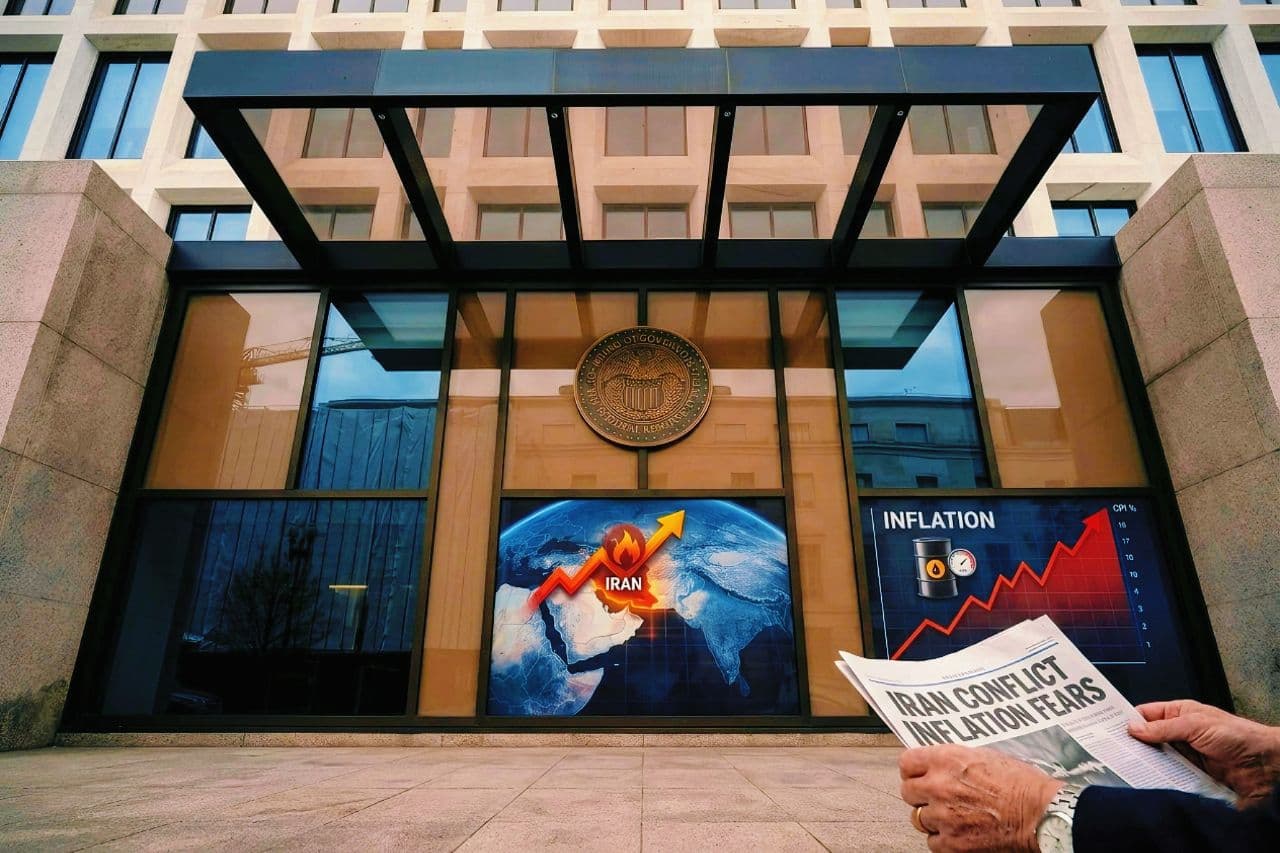
- President Donald Trump is set to deliver his State of the Union address Tuesday evening, a speech that will be closely watched by both policymakers and investors. The timing comes as polls show Americans remain discontent with the job market and inflation, signaling that economic concerns will be front and center.
- Ahead of the address, analysts expect Trump to highlight the economy’s resilience despite persistent consumer unease. He is likely to promote his agenda for the year ahead, emphasizing growth and stability while addressing voter concerns about inflationary pressures.
- Trade policy will also be a focal point. Following the Supreme Court’s ruling that struck down most of his emergency import taxes, Trump could use the speech to clarify his plans for restoring tariffs under a new legal framework. This will be critical for markets, as the tariff shake-up has already created new winners and losers globally.
- Ultimately, the State of the Union is expected to serve as both a political and economic roadmap. For investors, the key will be whether Trump’s remarks provide clarity on trade, inflation, and growth strategies that could shape market sentiment in the months ahead.
Key Takeaways
State of the Union 2026 – Trump’s Policy Agenda and Public Mood
President Donald Trump’s big speech Tuesday night will be a chance for him to showcase his administration’s policies to a public that has grown increasingly frustrated with the state of the economy. The address, delivered to a joint session of Congress at 9 p.m. Eastern Time, follows the traditional State of the Union format where presidents set their agenda for the year ahead and highlight accomplishments.
While Trump can point to several bright spots in the economy, public opinion polls reveal that Americans remain dissatisfied with the high cost of living and a weak job market. This disconnect between economic resilience and consumer sentiment will shape how his message is received.
The State of the Union provides Trump with an opportunity to frame his policies as solutions to these challenges. By emphasizing growth, stability, and trade reforms, he can attempt to reassure voters and investors alike that his administration is steering the economy in the right direction.
Ultimately, the speech is expected to serve as both a political roadmap and an economic signal. For markets, clarity on tariffs, inflation, and job creation will be critical in shaping sentiment for the months ahead.






The State of the Union address could yield significant updates on President Trump’s economic agenda. Analysts expect him to use the speech as a platform to introduce new policies aimed at addressing voter concerns about inflation and the job market, while also setting the legislative priorities for Congress in the year ahead.
One of the most closely watched elements will be trade policy. Following the Supreme Court’s ruling that struck down most of his emergency import taxes, Trump may provide clarity on how he intends to restore tariffs under a new legal framework. This could reshape global competitiveness and directly impact sectors tied to international supply chains.
Beyond tariffs, the address may highlight broader economic themes such as fiscal policy, growth initiatives, and regulatory changes. Investors will be looking for signals on how the administration plans to balance consumer discontent with inflation against the resilience of the overall economy.
Ultimately, the speech is expected to serve as both a political roadmap and an economic signal. For markets, the key will be whether Trump’s remarks provide actionable clarity on trade, inflation, and growth strategies that could influence sentiment in the months ahead.






State of the Union 2026 – Trump’s Approval Ratings and Economic Concerns
Ahead of the State of the Union address, several major polls show President Trump’s approval ratings have slipped compared to last year’s speech. A Washington Post-Ipsos survey taken last week found that 57% of U.S. adults disapproved of Trump’s handling of the economy, up from 53% in February 2025. Similarly, a RealClearPolitics average of recent polls showed 56% disapproval versus 41% approval of his economic record.
These polling results mirror broader consumer sentiment. Surveys reveal that Americans have become more pessimistic about job prospects and increasingly frustrated with inflation since Trump began his second term. Public dissatisfaction reflects not only perceptions but also lived economic realities.
Hard data reinforces these concerns. Inflation has remained above the Federal Reserve’s 2% annual target for more than four years, showing little sign of easing. Meanwhile, 2025 marked the slowest year for job creation outside of a recession in decades, underscoring the challenges facing workers and households.
Taken together, the polling and economic statistics highlight the uphill battle Trump faces in convincing the public of his administration’s economic achievements. The State of the Union will be a critical opportunity to address these concerns, frame his policies as solutions, and attempt to rebuild confidence among voters and investors.






State of the Union 2026 – Economic Outlook and Policy Moves
Despite public frustration with inflation and jobs, the U.S. economy has avoided a recession, runaway inflation, and mass layoffs. This resilience comes even after shocks like Trump’s tariff campaign and the rapid adoption of AI technology. Economists expect his signature tax-and-spending package, the One Big Beautiful Bill, to boost consumer spending and overall growth once its tax cuts take effect this year.
In his State of the Union address, Trump is likely to emphasize these bright spots while addressing concerns about affordability and employment. The bill’s rollout gives him a chance to frame his administration as delivering relief to households and stimulating demand across sectors.
Another focal point could be renewed pressure on the Federal Reserve. Trump may call for interest rate cuts to spur hiring and strengthen the job market. While such moves could provide short-term gains, economists warn they risk stoking inflation further, complicating the Fed’s balancing act.
Finally, trade policy will remain front and center. After the Supreme Court struck down many of his emergency import taxes, Trump may outline new tariff plans under a different legal mechanism. This would reshape global competitiveness once again, creating fresh winners and losers across international markets.

The Bottom Line
The bottom line is that the State of the Union address will serve as a pivotal moment for President Trump to reset the narrative on the economy. Despite public frustration with inflation and jobs, the U.S. has avoided recession, runaway inflation, and mass layoffs. Economists expect his One Big Beautiful Bill to provide a boost to consumer spending and growth once tax cuts roll out this year, giving him a concrete policy win to highlight.
At the same time, Trump faces mounting pressure from polls showing declining approval ratings on economic management. Inflation has remained above the Federal Reserve’s 2% target for years, and job creation in 2025 was the weakest outside of a recession in decades. These realities will shape how his message is received by both voters and investors.
Trade policy will be another critical focus. After the Supreme Court struck down many of his emergency tariffs, Trump is expected to outline new plans for imposing import taxes under a different legal mechanism. This could once again reshape global competitiveness, creating fresh winners and losers across international markets.
Ultimately, the State of the Union is not just a political speech it is an economic signal. For households, the key question is whether relief on affordability and jobs will materialize. For investors, clarity on tariffs, fiscal policy, and interest rate pressure will determine how markets respond in the months ahead.