Stock Market Today: 5 Key Things Investors Need to Know Before Trading Opens
- Futures Point Lower: After three straight days of gains, S&P 500 and Dow futures slipped about 0.3%, while Nasdaq futures fell 0.4%. Investors are digesting earnings and awaiting Friday’s inflation data.
- Walmart Weak Outlook: Despite beating Q4 estimates, Walmart issued softer-than-expected guidance for Q1, forecasting slower sales growth and EPS below analyst expectations. Shares fell more than 2% premarket.
- OpenAI Funding Round: Bloomberg reported OpenAI is set to raise up to $100 billion, with early backing from Nvidia, Microsoft, Amazon, and SoftBank. The funding highlights AI’s capital intensity and has weighed on market sentiment.
- Carvana Slides: Shares dropped 9% after Q4 results showed strong sales but weaker profitability metrics, including lower gross profit per vehicle.
- DoorDash Surges: Shares jumped over 6% after the company projected stronger order value growth, offsetting weaker revenue and profit. Integration of its global platforms remains a key focus.
Key Takeaways
Stock Market Today: 5 Pre-Market Moves Investors Should Watch Closely
Stock futures are slightly lower this morning, signaling a cautious open after three straight days of gains for the S&P 500. Investors are weighing mixed corporate earnings alongside broader market sentiment, with attention turning to inflation data later this week.
Walmart shares are sliding after the retail giant issued guidance that fell short of Wall Street expectations. Despite strong quarterly sales, its outlook suggested slower growth ahead, raising concerns about consumer spending trends in 2026.
OpenAI is reportedly in talks to raise up to $100 billion from major backers including Nvidia and Microsoft. The massive funding round underscores the scale of capital flowing into artificial intelligence, but also highlights investor worries about the high costs of sustaining AI infrastructure.
Carvana shares are tumbling after profitability metrics missed analyst estimates, even as sales growth remained strong. Meanwhile, DoorDash stock is surging after forecasting higher-than-expected order value growth, offsetting weaker revenue and profit results. These sharp moves show how earnings surprises are driving pre-market volatility.






Stock futures pointed lower Thursday morning after three straight days of gains for the S&P 500, Dow, and Nasdaq. Futures tied to the S&P 500 and Dow were down 0.3%, while Nasdaq futures slipped 0.4%. The cautious tone comes as investors digest a steady flow of earnings reports and prepare for Friday’s key inflation data.
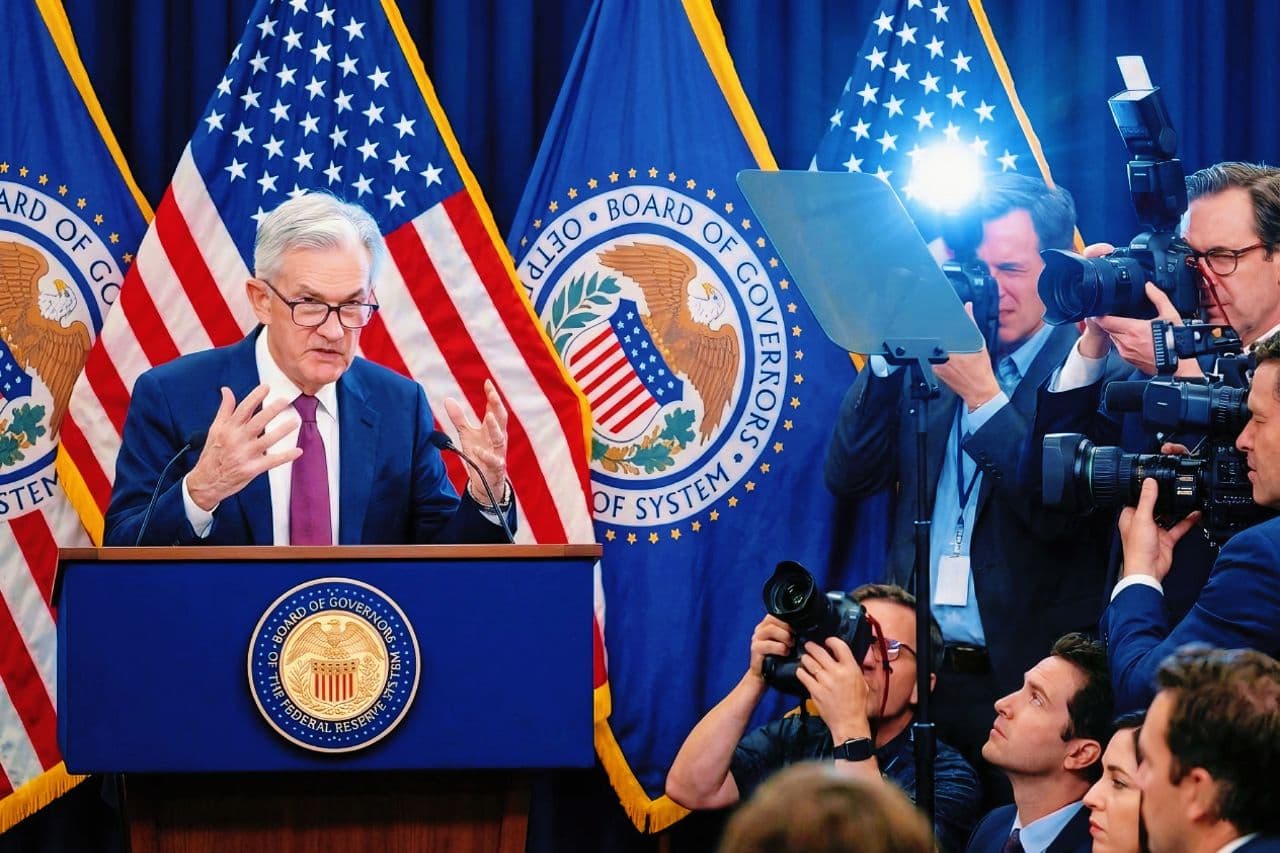
Walmart shares are under pressure after issuing guidance that fell short of Wall Street expectations, despite strong quarterly sales. The retail giant’s outlook raised concerns about consumer spending trends in 2026. Meanwhile, investors reacted to the minutes of the Federal Reserve’s January meeting, which revealed officials remain divided over further interest-rate cuts, worried that easing too quickly could stall progress in taming inflation.
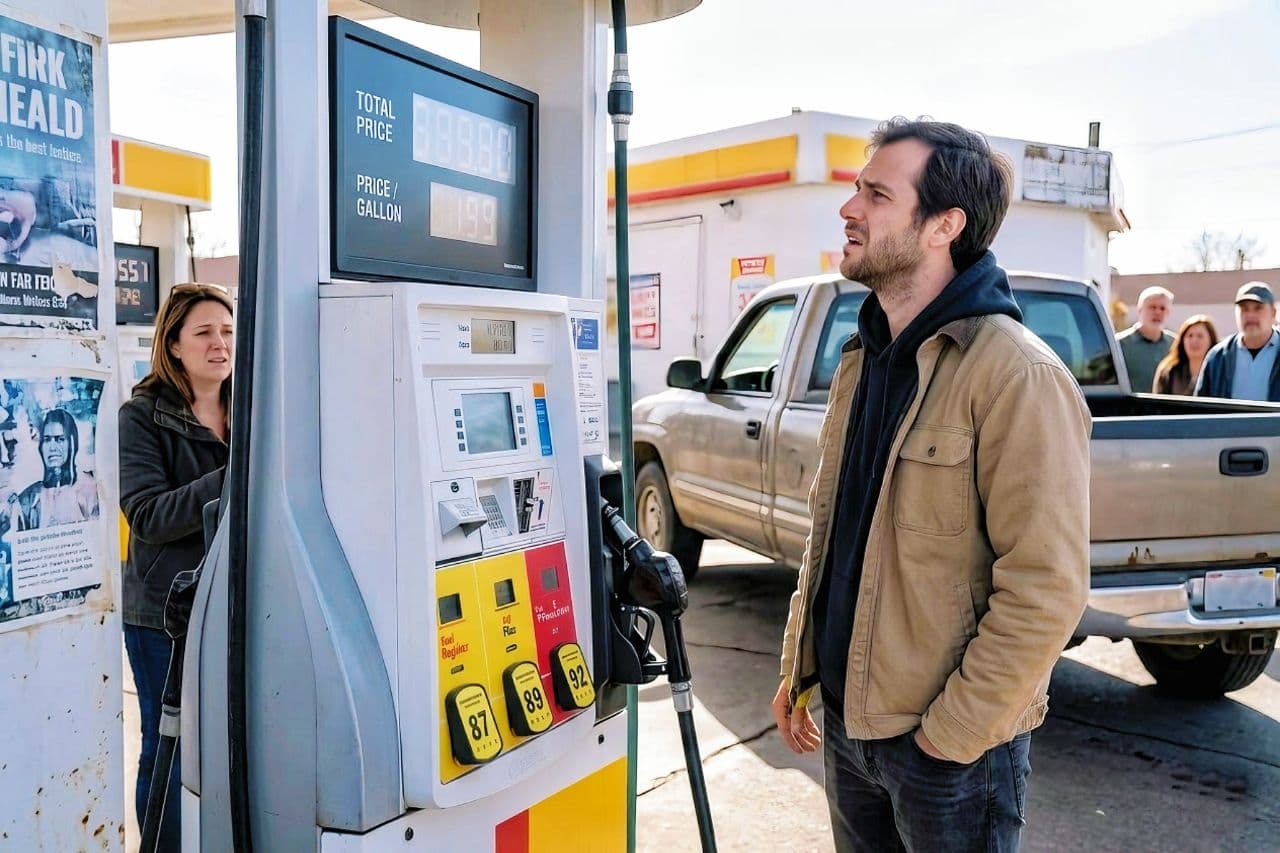
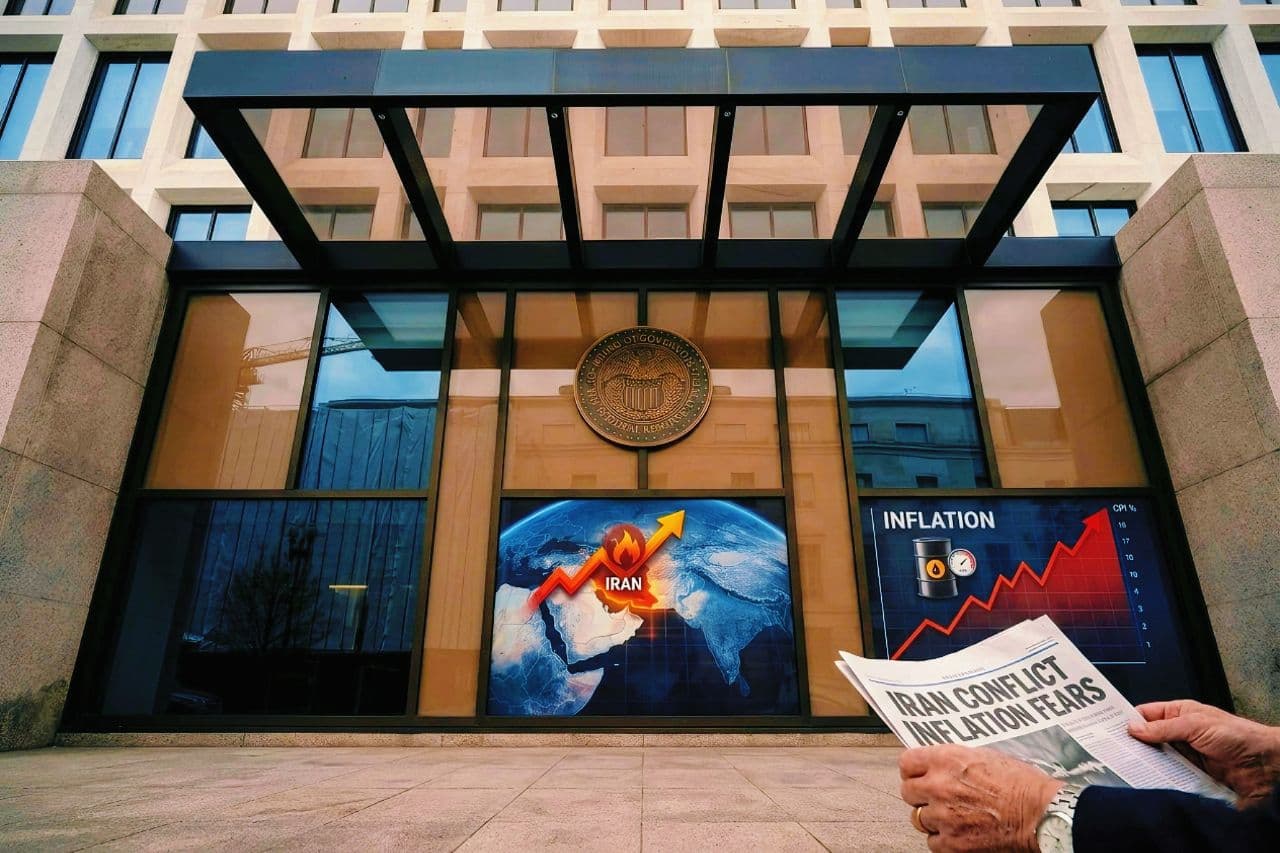
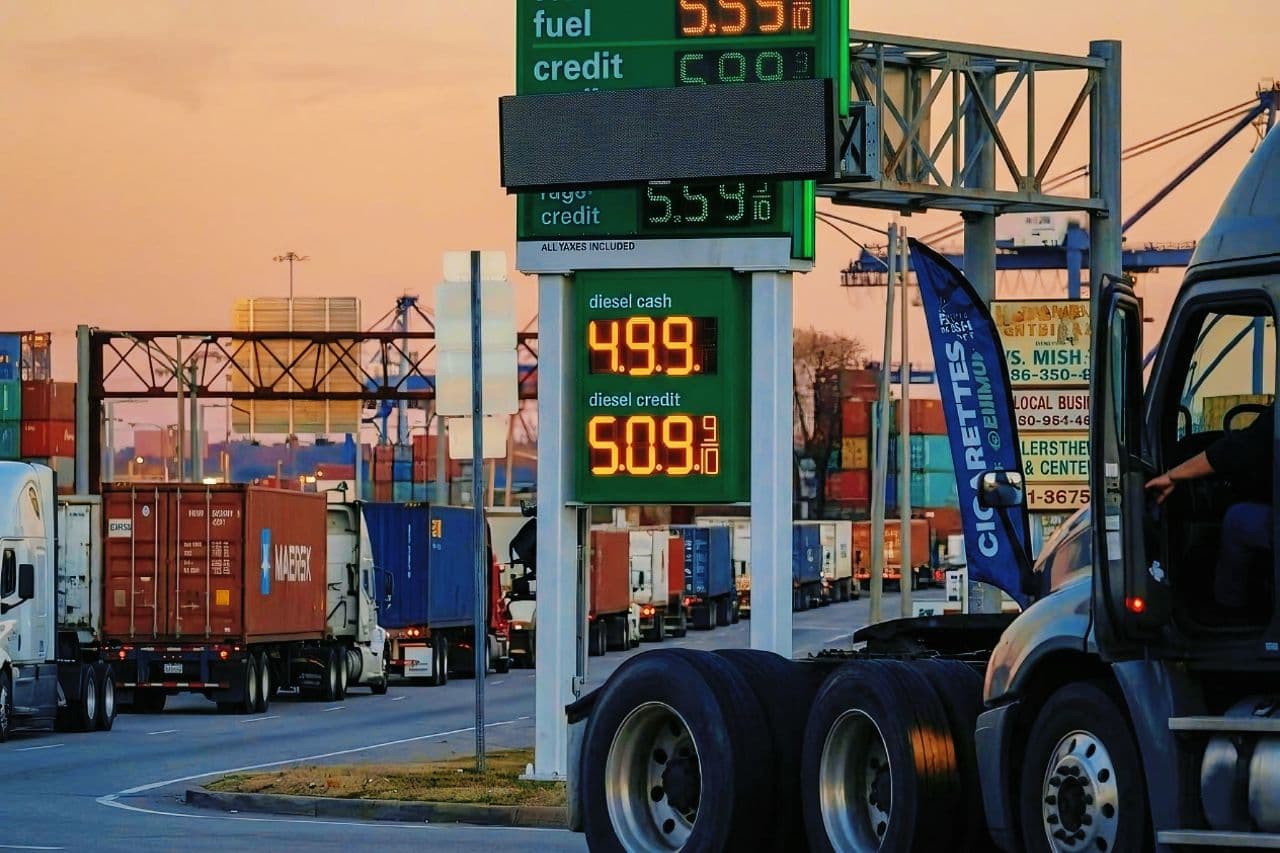
Commodity markets added to the tension. Gold futures were little changed at just over $5,000 an ounce, while crude oil futures rose 1.5% to $66.20 per barrel, their highest level since last summer. The surge reflects growing concerns over a potential U.S. military strike in Iran, which has heightened geopolitical risk and pushed energy prices higher.
Bitcoin traded slightly lower at around $68,000, while the yield on the 10-year Treasury note ticked up to 4.10%. Rising yields highlight investor caution as borrowing costs remain elevated, impacting mortgages and other consumer loans. Together, earnings, Fed policy uncertainty, and geopolitical risks are shaping a volatile pre-market session.






Walmart Stock Today: Shares Slip as Guidance Misses Analyst Forecasts
Walmart (WMT) shares are moving lower after the retail giant issued a softer-than-expected outlook, offsetting better-than-anticipated quarterly results. The company reported adjusted earnings of $0.74 per share on $190.7 billion in revenue, narrowly topping analyst consensus. Despite the beat, investors focused on weaker guidance for the coming quarter.
For Q1, Walmart projected sales growth of 3.5% to 4.5% and adjusted EPS between $0.63 and $0.65. Both ranges came in below Wall Street forecasts, raising concerns about slowing momentum in consumer spending. The cautious outlook overshadowed the company’s strong holiday performance and highlighted challenges in sustaining growth amid inflationary pressures.
Analysts and investors are closely watching Walmart’s earnings call for signals on its strategic direction under new CEO John Furner, who assumed leadership at the start of February. His approach to balancing cost management, digital expansion, and global operations will be critical in shaping investor confidence.
Shares of Walmart were down more than 2% in premarket trading, reflecting disappointment over the guidance. While the company remains a dominant force in retail, the weaker forecast has tempered enthusiasm, leaving investors cautious about near-term performance.






OpenAI Funding Round: AI Giant Eyes $100B Backing From Big Tech
OpenAI is reportedly preparing to secure the first portion of a massive new funding round that could reach $100 billion, according to Bloomberg. The deal would value the ChatGPT maker at around $850 billion, with early commitments from existing investors including Nvidia, Amazon, Microsoft, and SoftBank.
The company’s need for fresh capital reflects the enormous costs of scaling artificial intelligence. OpenAI has committed hundreds of billions of dollars to hardware and cloud computing providers, while its AI products remain years away from profitability. The funding is expected to be raised in tranches throughout the year, with later rounds opened to venture capital firms and sovereign wealth funds.
Market sentiment has been mixed. While the funding highlights investor confidence in AI’s long-term potential, concerns remain about the sustainability of such large capital requirements. The sheer scale of spending by OpenAI and other Big Tech players has weighed on broader market sentiment in recent months, as investors question whether returns will justify the investment.
If completed, the round would mark one of the largest in tech history, reinforcing AI’s role as the most capital-intensive sector in 2026. For investors, the deal underscores both the promise and the risks of betting on AI infrastructure at scale.






Carvana Stock Today: Shares Drop as Profitability Concerns Weigh on Results
Carvana (CVNA) shares are sliding ahead of the opening bell after the online used car marketplace reported mixed fourth-quarter results. While sales were solid, profitability metrics disappointed investors. Gross profit per vehicle declined year-over-year and fell short of analyst expectations, raising concerns about cost pressures.
The company said it expects “significant” growth in vehicle sales volume and adjusted EBITDA this year, projecting both metrics to rise quarter-over-quarter in the first three months of 2026. Still, the weaker profitability figures overshadowed the upbeat sales outlook, leaving investors cautious about near-term performance.
Carvana’s forecast suggests confidence in demand trends, but higher reconditioning and operating costs remain a challenge. Analysts are watching closely to see if the company can balance rapid growth with sustainable margins, especially as competition in the used car market intensifies.
Shares were down about 9% in recent premarket trading, extending a rough start to the year. The stock has already lost more than a quarter of its value in 2026, underscoring investor skepticism despite strong revenue momentum.






DoorDash Stock Today: Shares Surge as Order Value Outlook Lifts Investor Confidence
DoorDash (DASH) shares are rallying in premarket trading after the food and grocery delivery platform issued an upbeat forecast for order value growth. The company’s gross order value of $29.7 billion topped analyst expectations, and its outlook for the current quarter also came in stronger than consensus, offsetting weaker-than-expected revenue and profit in the fourth quarter.
Despite the earnings miss, investors are encouraged by DoorDash’s ability to sustain demand momentum. The company noted that some of its technology investments have weighed on profitability, but management emphasized that spending will continue as it integrates its three global delivery services DoorDash, Wolt, and Deliveroo into a unified platform.
This integration strategy is designed to streamline operations and improve efficiency, even if it temporarily pressures margins. Analysts view the consolidation as a long-term positive, positioning DoorDash to compete more effectively in the global delivery market.
Shares were up more than 6% in recent premarket trading, reflecting investor optimism that strong order growth and platform integration will outweigh near-term profit challenges. The move highlights how growth expectations can drive momentum even when earnings fall short.






The Bottom Line
U.S. stock futures are pointing down this morning after three straight days of gains for the S&P 500, Dow, and Nasdaq. Investors are digesting a steady stream of earnings reports while bracing for Friday’s key inflation data, which could influence the Federal Reserve’s next policy move.
Walmart shares are slipping after issuing softer-than-expected guidance, overshadowing its better-than-anticipated quarterly results. The retail giant’s cautious outlook has raised concerns about consumer spending momentum under new CEO John Furner.
Meanwhile, OpenAI is reportedly preparing a funding round of up to $100 billion with backing from Nvidia, Microsoft, Amazon, and SoftBank. The scale of AI investment highlights both the sector’s promise and the risks of massive capital commitments, weighing on broader market sentiment.
Commodity and crypto markets are adding to the volatility. Oil futures climbed 1.5% to $66.20 per barrel, their highest since last summer, amid concerns over potential U.S. military action in Iran. Gold held steady above $5,000 an ounce, Bitcoin slipped to around $68,000, and the 10-year Treasury yield ticked higher to 4.10%, signaling investor caution as borrowing costs remain elevated.