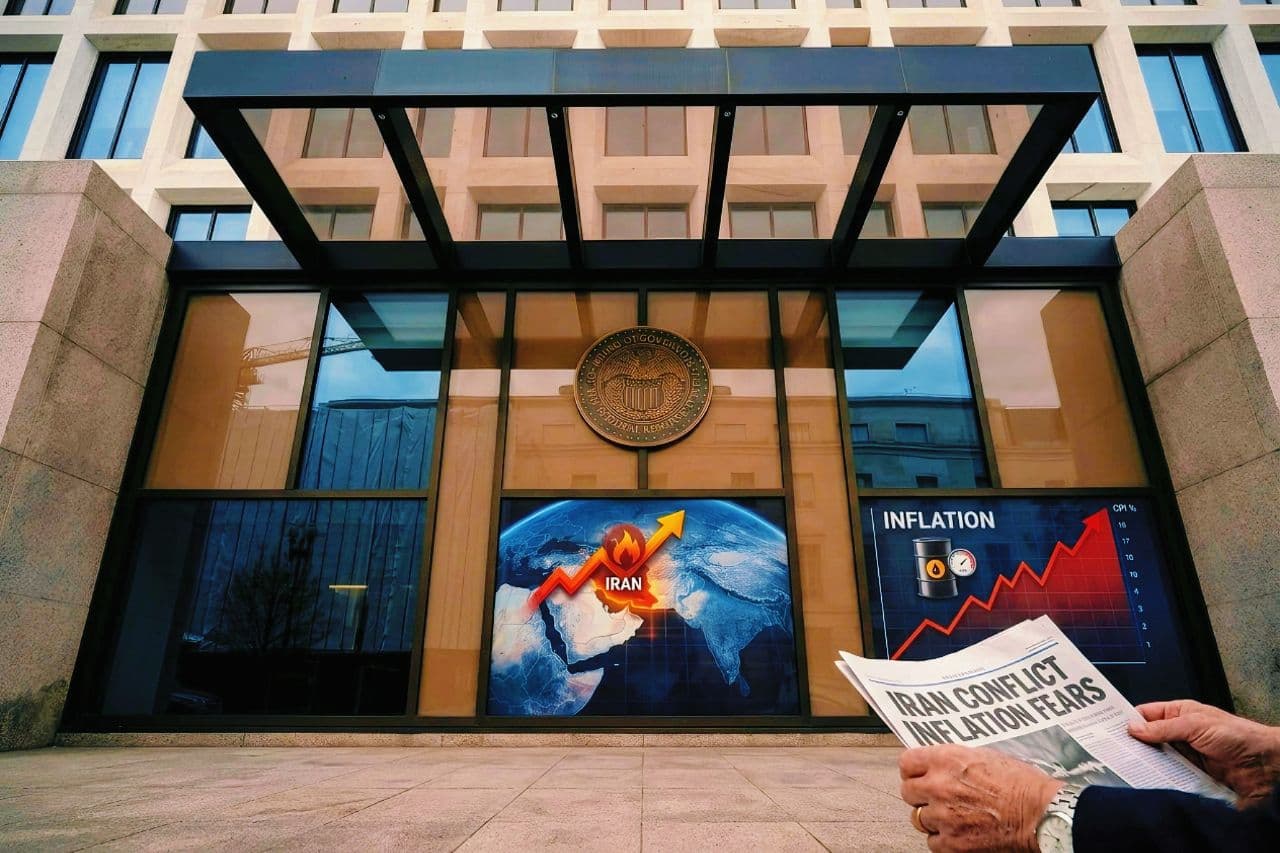
Tapering: How, Why, and When the Fed Does It and Impact on Financial Markets
What Is Tapering?
Tapering is the process by which a central bank begins to scale back monetary stimulus after a period of quantitative easing (QE). During QE, the bank injects liquidity by purchasing asset-backed securities and Treasuries to support economic recovery.
Once the economy stabilizes, tapering begins. It may involve:
- Reducing asset purchases or allowing them to mature without reinvestment
- Adjusting the discount rate or reserve requirements
- Shrinking the central bank’s balance sheet
In the U.S., the Federal Reserve tapers by gradually cutting back its holdings of Treasuries and mortgage-backed securities, signaling a shift toward policy normalization.
- Tapering is the gradual rollback of quantitative easing (QE)—a central bank’s effort to unwind monetary stimulus after economic recovery.
- It involves reducing asset purchases and shrinking the central bank’s balance sheet, signaling a shift toward policy normalization.
- Financial markets may react negatively to tapering, triggering volatility known as a “taper tantrum”, as investors adjust to reduced liquidity and rising yields.
Key Takeaways






How Tapering Affects Financial Markets
When central banks use expansionary monetary policy to combat a recession, they commit to reversing stimulus once recovery takes hold. Prolonged use of easy money can fuel inflation and trigger asset bubbles in financial markets.
Tapering marks the first phase of monetary stimulus withdrawal, signaling that prior interventions like quantitative easing (QE) have achieved their goals. To maintain stability, central banks must communicate clearly with investors to shape expectations and reduce uncertainty.
During tapering, the central bank:
- Slows asset purchases
- Allows securities to mature
- Shrinks its balance sheet
- Reduces the money supply
These actions can lead to higher yields, lower equity valuations, and increased market volatility, especially if tapering surprises investors or coincides with inflation concerns.
Taper Tantrums: Why Central Banks Proceed with Caution
Taper tantrums refer to episodes of market overreaction when central banks signal plans to scale back quantitative easing (QE). Investors often respond with:
- Rising government bond yields
- Falling equity prices
- Increased volatility across asset classes
These reactions can pressure central banks to delay tapering, as abrupt stimulus withdrawal may disrupt financial markets and harm investor confidence. To mitigate this, policymakers often rely on clear communication and gradual unwinding to manage expectations and avoid destabilizing the economy.






Federal Reserve Tapering and Financial Assets: Post-COVID Policy Shift
In response to the COVID-19 pandemic, the Federal Reserve launched an aggressive quantitative easing (QE) program in March 2020, injecting over $700 billion into the economy. By June 2020, the Fed committed to monthly purchases of:
- $80 billion in Treasury securities
- $40 billion in mortgage-backed securities (MBS)
As the economy rebounded and cost-of-living pressures surged, the Fed began tapering asset purchases in December 2021. By June 2022, it pivoted to a tightening stance, ending its low-interest rate policy and scaling back bond market interventions.
To manage inflation risks, the Fed initiated a plan to shrink its nearly $9 trillion balance sheet, primarily composed of Treasuries and MBS marking the start of its monetary contraction cycle.






When Does Tapering Begin?
Tapering begins once a quantitative easing (QE) program has achieved its intended goals typically economic stabilization and recovery. Since QE is a temporary form of monetary stimulus, central banks must eventually scale back interventions to avoid triggering inflation or asset bubbles.
Timing is critical:
- Too fast, and the economy risks slipping into recession
- Too slow, and prolonged stimulus may fuel overheating
Tapering marks the transition phase after stimulus has worked, but before inflation accelerates. It’s the central bank’s way of signaling confidence in the recovery while managing future risks.






Tapering vs. Tightening: What’s the Difference?
- Tapering is the transition phase between expansionary monetary policy (like quantitative easing) and full contractionary policy. It involves slowing asset purchases and signaling a shift toward normalization—without yet raising interest rates.
- Tightening, or contractionary policy, is a direct effort to slow economic growth and curb inflation.
- The central bank: Raises short-term interest rates (e.g., the federal funds rate)
- The central bank: Sells assets via open market operations (OMO)
- The central bank: Reduces liquidity and borrowing incentives
In short, tapering eases off the gas, while tightening applies the brakes.






Tapering After the 2007–2008 Financial Crisis: The Fed’s Exit Strategy
Following its massive quantitative easing (QE) response to the 2007 2008 financial crisis, the Federal Reserve began tapering in June 2013. Then-Chair Ben Bernanke announced plans to gradually reduce monthly asset purchases, contingent on favorable inflation and employment data.
By the end of 2013, the Fed concluded that QE had met its objectives having expanded its balance sheet to $4.5 trillion. The tapering phase involved smaller bond purchases, continuing through October 2014, marking the start of balance sheet normalization and a shift toward monetary tightening.






The Bottom Line
Tapering marks the beginning of a monetary stimulus exit, initiated once quantitative easing (QE) has successfully stabilized the economy. It involves:
- Reducing central bank asset purchases
- Shrinking the balance sheet
- Potential adjustments to the discount rate and reserve requirements
This shift signals a move toward policy normalization, helping prevent inflation and asset bubbles while maintaining long-term economic stability.