Tariff Shifts Renew Market Uncertainty: What Investors Should Know
- The collapse of President Trump’s emergency tariffs and the swift rollout of new import taxes have reignited volatility around U.S. trade policy. This shift has injected fresh uncertainty into markets, raising questions about how long the administration’s tariff agenda can withstand legal challenges.
- Uncertainty has historically weighed heavily on the U.S. economy, slowing growth and discouraging businesses from hiring or expanding. Last year, this contributed to a job market slowdown, underscoring how policy-driven risks can ripple across both corporate and consumer confidence.
- Among the unresolved issues is whether Trump’s new tariffs will survive in court. Legal battles over refunds and the validity of trade deals negotiated under the old tariff regime could drag on for years, prolonging instability for businesses and investors alike.
- For investors, the bottom line is clear: tariff uncertainty is back, and it’s already shaping sentiment across equities and global markets. Staying alert to policy shifts and managing exposure to trade-sensitive sectors will be critical in navigating this renewed era of volatility.
Key Takeaways
Tariff Chaos Returns: Market Uncertainty Deepens for Investors
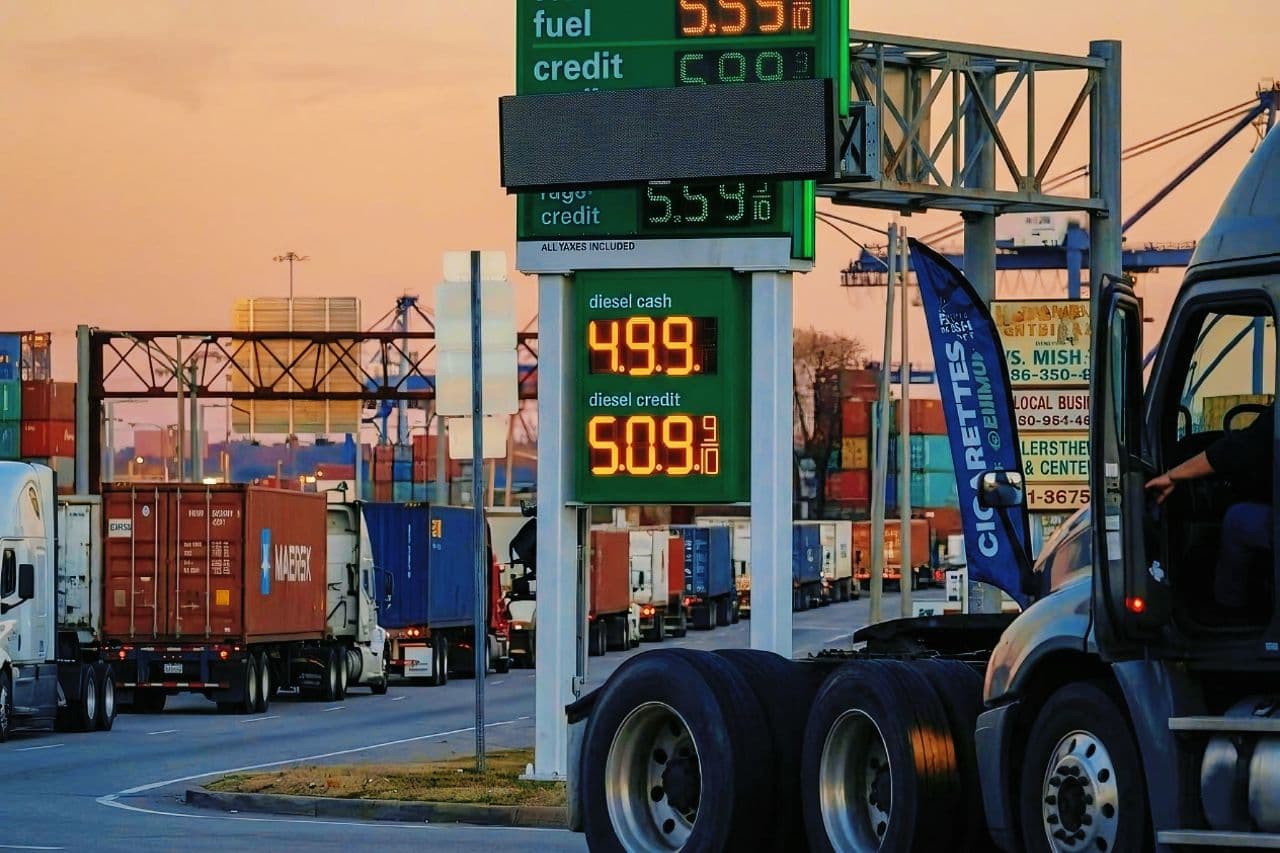
The tariff turmoil that rattled the U.S. economy in 2025 has returned with force. Over the weekend, President Trump announced a 15% worldwide tariff, replacing the 10% global tariff he had unveiled less than 24 hours earlier after the Supreme Court struck down many of last year’s emergency-imposed import taxes. For economists and business leaders, the details remain unclear, but the message is unmistakable: tariff rules are shifting too quickly for companies to know who will pay and how much.
Trump’s social media post emphasized his intent to raise tariffs to the “fully allowed, and legally tested, 15% level,” promising new measures in the coming months. This announcement has fueled speculation about what other tariffs may replace those struck down, whether they will be higher or lower, and whether they will face new legal challenges. The uncertainty also raises the possibility of refund obligations for companies that already paid import taxes.
The renewed chaos has had a tangible impact on the economy. Economists and business leaders argue that uncertainty is a major reason employers have curtailed hiring, making 2025 the weakest year for the job market outside of a recession in more than two decades. The unpredictability of tariff policy has become a direct drag on confidence, investment, and labor markets.
For investors, the bottom line is clear: tariff volatility is back, and it’s already weighing on markets and the broader economy. With policy shifting rapidly and legal battles looming, portfolios exposed to trade-sensitive sectors face heightened risk. Staying alert to developments in tariff policy will be essential as uncertainty continues to dominate Wall Street.






Uncertainty about the future is one of the most powerful brakes on economic activity. When businesses cannot predict tariff rates or trade policy outcomes, long-term planning becomes nearly impossible. This hesitation directly suppresses job growth, as employers delay hiring decisions and expansion plans until the policy environment stabilizes.
The Supreme Court’s ruling and the administration’s rapid tariff shifts have reintroduced the same fog that weighed on markets last year. Economists warn that unpredictability in trade policy undermines confidence, discourages investment, and slows productivity gains. For companies dependent on global supply chains, the inability to forecast costs makes it harder to commit to new projects or workforce growth.
The ripple effects extend beyond corporate boardrooms. Consumers face higher prices when tariffs are imposed, while businesses struggle to absorb costs without cutting back elsewhere. This dynamic can weaken demand, reduce profitability, and ultimately slow the broader economy.
For investors, the takeaway is clear: tariff uncertainty is not just a political issue it’s an economic one. As long as trade policy remains unstable, markets will remain vulnerable to volatility, and portfolios exposed to import-heavy sectors will face heightened risk.






Tariff Volatility Hits Markets: Legal Uncertainty Clouds Outlook
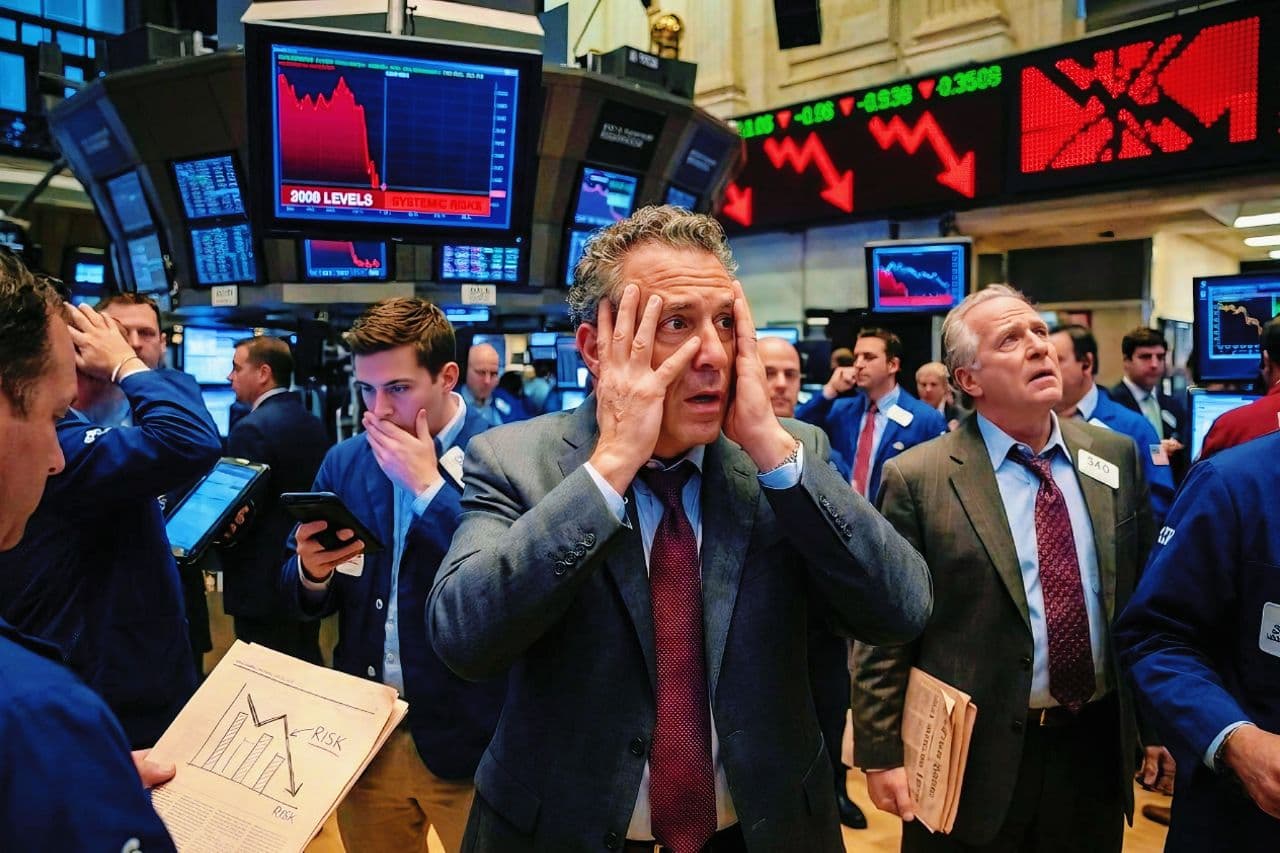
The key issue for investors is not just the tariff rate itself, but the unpredictability surrounding what comes next. Analysts point to this fresh dose of uncertainty as the main driver behind Monday’s slide in stock prices, underscoring how quickly sentiment can shift when trade policy is unclear.
The Supreme Court ruling and Trump’s initial response have left tariffs at a lower overall level for now. U.S. importers are paying an effective tariff rate of 13.7%, down from 16% before the ruling, according to Yale Budget Lab analysis. While this offers temporary relief, the administration’s pursuit of new tariffs under alternative legal authorities suggests volatility is far from over.
Section 301 of the Trade Expansion Act is one avenue being explored, requiring investigations into unfair trade practices before tariffs can be imposed. Trade Representative Jameison Greer confirmed that these investigations are being carried out on an “accelerated timeframe,” signaling that new measures could arrive quickly.
The durability of Trump’s newly announced 15% tariff is also in question. Based on Section 122 authority, it can only last 150 days without Congressional approval. Legal experts argue the measure may not withstand challenges, as Section 122 applies only to balance-of-payment deficits a condition the U.S. has not met since the end of the Bretton Woods system in the 1970s. This shaky legal ground adds another layer of uncertainty for markets already rattled by tariff chaos.






Tariff Legal Battles Cloud Trade Deals: Market Risks Rise
Carsten Brzeski and James Knightley of ING noted that it will be difficult to argue the U.S. faces a balance of payment crisis, since by definition the balance of payments is always in balance. This casts doubt on the legal foundation of Trump’s newly announced 15% global tariff, raising questions about whether it can withstand challenges in court.
The ruling also unsettled trade agreements Trump signed with other countries, particularly with the European Union. Analysts warn that the EU deal now faces a cloud of uncertainty, with European leaders signaling they may push for renegotiation. The risk of escalation is higher than it was a year ago, as trading partners weigh their response to the Supreme Court’s decision.
Trump’s social media threats of “much higher” tariffs if partners “play games” with trade deals have only deepened the sense of unpredictability. Rather than resolving the case, the ruling has created more questions about which import taxes will apply in the coming months and how global trade relationships will evolve.
As Bob Schwartz of Oxford Economics put it, “Trade uncertainty is not fading. It is merely shifting form.” For investors, this means volatility tied to tariffs is far from over, and the durability of existing trade deals remains in doubt.






The Bottom Line
The Supreme Court’s ruling has not resolved trade tensions it has intensified them. By striking down emergency-imposed tariffs and prompting Trump to announce new global levies, the decision has reintroduced volatility into markets that had only recently stabilized.
For businesses, the unpredictability of tariff policy makes long-term planning nearly impossible. Employers are hesitant to expand or hire, contributing to a weaker job market and slowing economic activity. This uncertainty is already weighing on investor sentiment, as reflected in sharp declines across major U.S. indexes.
Legal challenges further complicate the outlook. Trump’s reliance on Section 122 authority for his new 15% tariff leaves its durability in question, while refund lawsuits and trade deal renegotiations could drag on for years. These unresolved issues ensure that tariff risks will remain a persistent overhang on markets.
For investors, the bottom line is clear: tariff volatility is back, and it’s not fading anytime soon. Portfolios exposed to import-heavy sectors face heightened risk, and staying alert to policy shifts will be essential in navigating this renewed era of uncertainty.