Three Fed Officials Say Inflation Deserves More Attention—Here’s Why That Matters
- Three Fed Officials Disagreed: Kansas City’s Jeffrey Schmid, Cleveland’s Beth Hammack, and Dallas’s Lorie Logan publicly opposed the Fed’s decision to lower its benchmark interest rate by 0.25% this week.
- Dual Mandate Tensions: The Fed’s rate cut aimed to support the job market, but dissenting voices argue inflation remains too high—highlighting the challenge of balancing employment and price stability.
- Policy Uncertainty Ahead: With internal divisions growing, future rate decisions—especially the December meeting—are likely to be contentious and less predictable.
Key Takeaways
At least three Federal Reserve officials Jeffrey Schmid (Kansas City), Beth Hammack (Cleveland), and Lorie Logan (Dallas) have voiced disagreement with the Fed’s recent decision to cut interest rates by 0.25% in October 2025. Their concern: inflation remains stubbornly above the Fed’s 2% target, and cutting rates may be premature.
The Fed’s Dilemma
The Federal Reserve operates under a dual mandate:
- Maximize employment
- Maintain price stability (low inflation)
But these goals are currently in conflict. Rate cuts support job growth but risk fueling inflation. Holding rates steady could tame inflation but slow hiring.






Why Inflation Hawks Are Speaking Up
- Inflation has exceeded 2% for over four years.
- Tariffs and trade uncertainty are pushing prices higher.
- Some officials argue that cutting rates now could weaken the Fed’s credibility on inflation control.






Internal Division
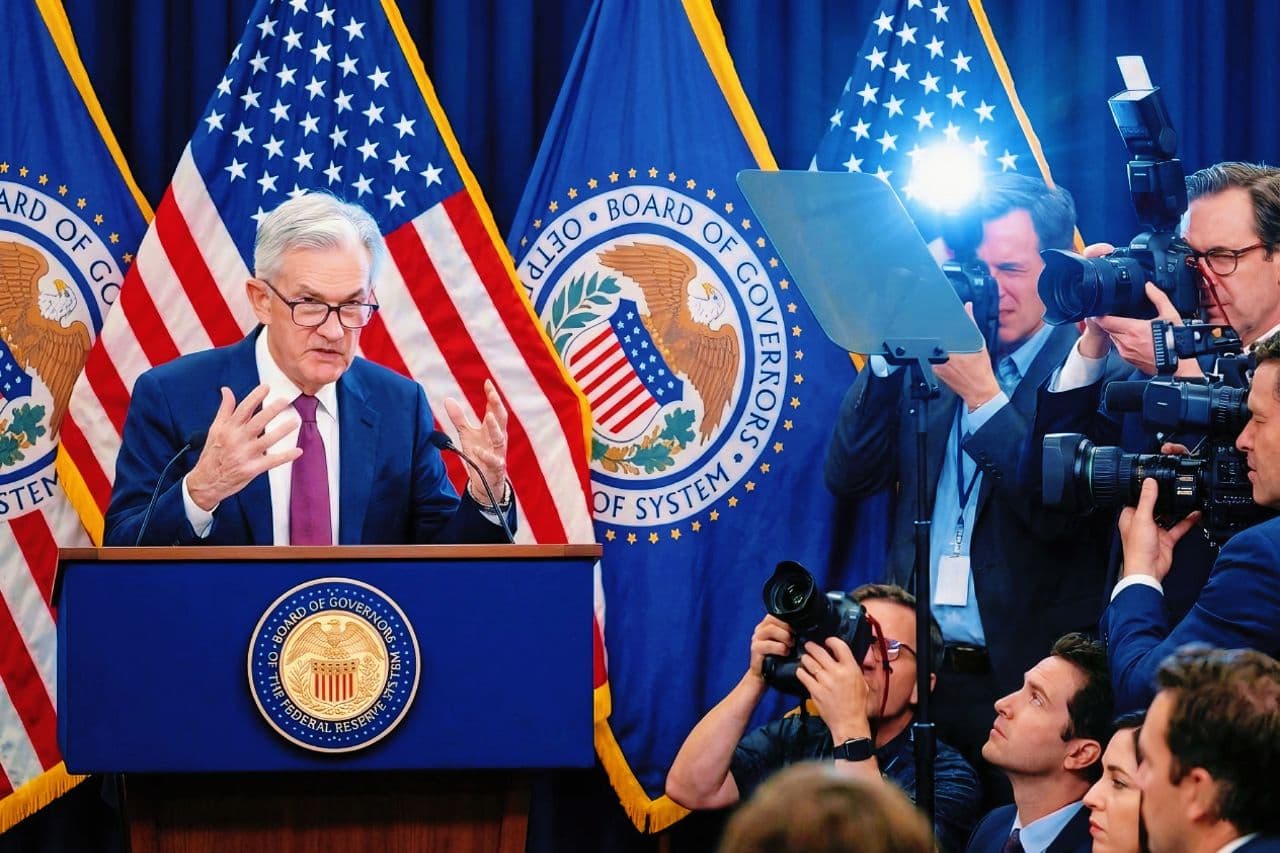
Only Schmid had a vote in the October FOMC meeting, but Hammack and Logan’s public dissent signals growing tension within the Fed. Chair Jerome Powell acknowledged “strongly differing views” among committee members.
This internal split makes future rate decisions like the one expected in December far less predictable. If inflation continues to run hot, the Fed may face mounting pressure to pause or reverse its rate-cutting path.






Fed Officials Warn: Rate Cuts May Undermine Inflation Fight
A growing faction within the Federal Reserve is sounding alarms that the central bank may be easing up too soon in its battle against inflation. Three officials Jeffrey Schmid (Kansas City), Beth Hammack (Cleveland), and Lorie Logan (Dallas) publicly opposed the Fed’s recent decision to cut its benchmark interest rate by 0.25%.
Voting Dynamics
- Schmid voted to keep rates steady but was outnumbered.
- Hammack and Logan participated in the meeting but lacked voting power this year due to the FOMC’s rotating structure.
The Fed’s Tug-of-War
The dissent highlights the Fed’s dual mandate dilemma:
- Inflation: Running above the 2% target for over four years, worsened by tariffs.
- Employment: Trade war uncertainty is stalling job growth, prompting rate cuts to stimulate hiring.
Why It Matters
Cutting rates to support jobs may risk further inflation, while holding rates could slow hiring. The internal split suggests future rate decisions especially in December will be contentious and closely watched.
What This Means for the Economy: Fed Uncertainty Adds Market Volatility
The growing split within the Federal Open Market Committee (FOMC) is making future interest rate decisions harder to forecast injecting more uncertainty into financial markets and economic planning. Here’s why it matters:
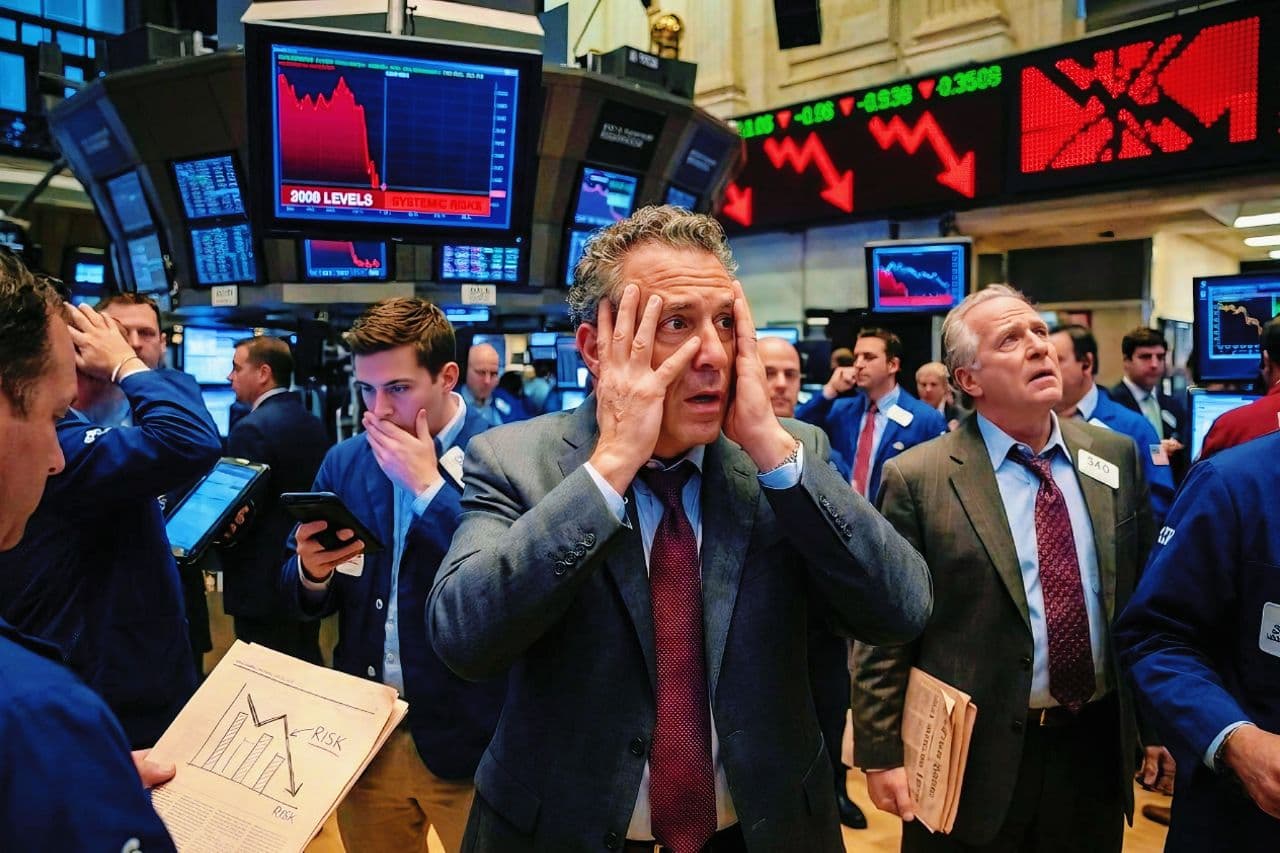
- Market Volatility: Investors rely on Fed signals to price assets and manage risk. Internal disagreement clouds those signals, increasing volatility.
- Policy Drift: With no clear consensus, the Fed may struggle to respond decisively to inflation or employment shifts—delaying action or sending mixed messages.
- Business Hesitation: Companies may hold off on hiring, borrowing, or investing if they’re unsure how interest rates will move.
- Consumer Impact: Unpredictable rate changes affect mortgage rates, credit card APRs, and savings yields—making household budgeting more difficult.
In short, the Fed’s internal divisions don’t just affect policy they ripple through every corner of the economy.
Fed Officials Split on Rate Cuts as Inflation Remains Stubbornly High
The Federal Reserve’s latest rate cut has exposed deep divisions within the Federal Open Market Committee (FOMC), with several members warning that inflation remains too persistent to justify easing policy.
Powell Acknowledges Internal Tensions
Fed Chair Jerome Powell confirmed there were “strongly differing views” during the FOMC’s October meeting, reflecting the central bank’s struggle to balance its dual mandate:
- Stable prices (inflation control)
- Maximum employment
Voices of Dissent
- Beth Hammack (Cleveland Fed): “We’re being challenged on both sides of the mandate… Inflation is about a percentage point above our target and has been there for a long period of time.”
- Jeffrey Schmid (Kansas City Fed): “The labor market is largely in balance… and inflation remains too high.”
- Lorie Logan (Dallas Fed): “This economic outlook didn’t call for cutting rates… Inflation remains too high, taxing the budgets of businesses and families.”
A Divided Path Forward
While Atlanta Fed President Raphael Bostic shared concerns about inflation, he supported the cut, arguing that the current fed funds rate (3.75% 4%) still restricts economic activity enough to cool inflation without stalling growth.
Why It Matters
This policy split introduces greater uncertainty into future rate decisions especially the December meeting. With inflation still elevated and the labor market showing signs of cooling, the Fed’s next move is far from clear.