Too Big To Fail Banks: Where Are They Now?
Too Big to Fail: A Crisis Concept That Still Looms Large
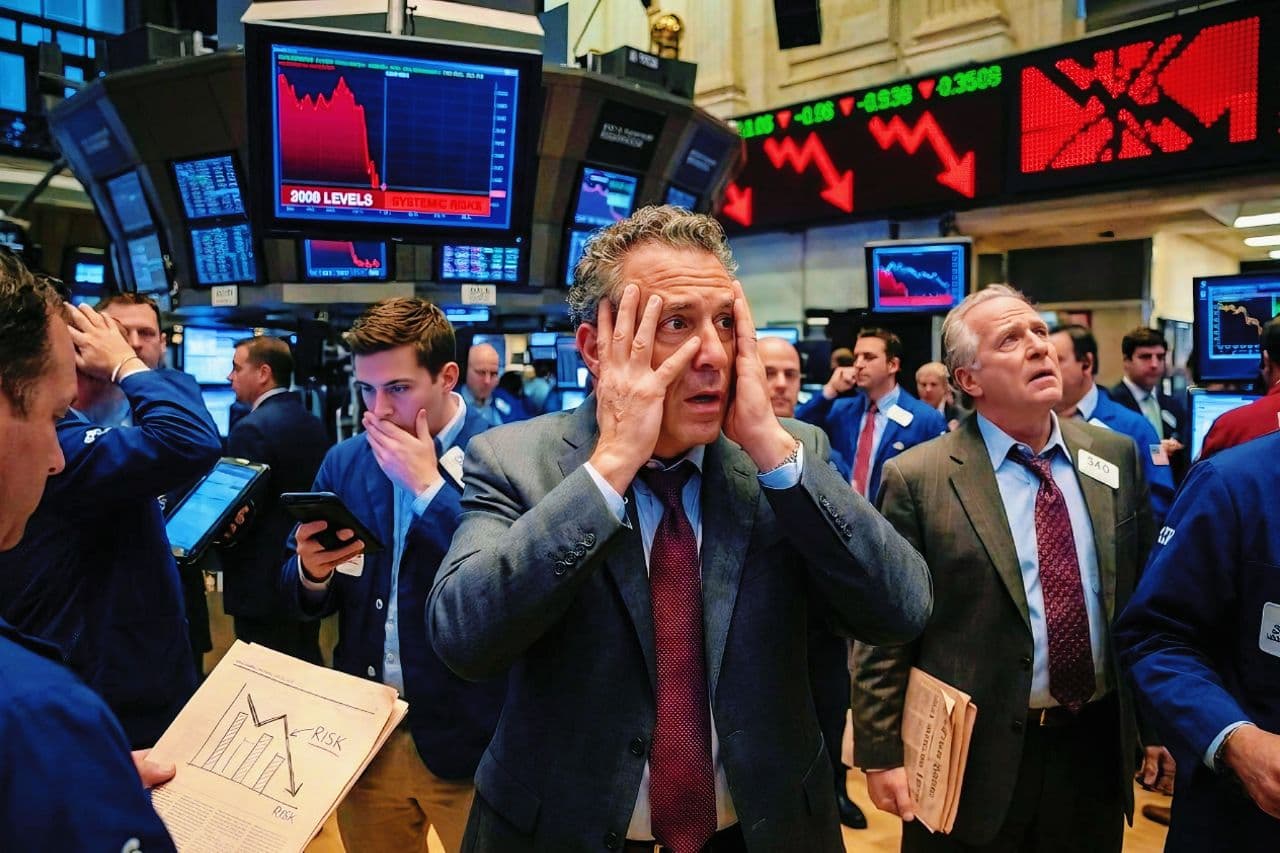
In 2008, the phrase “too big to fail” captured the fear gripping global markets. Major banks had become so large and interconnected that their collapse threatened the entire financial system. The fallout led to unprecedented bailouts, sweeping interventions, and a deep reassessment of how systemic risk had accumulated in the portfolios of the world’s largest financial institutions.
Despite reforms like the Basel Accords and the Dodd-Frank Act, today’s banking giants are by many metrics even larger than before the crisis. Mergers, market consolidation, and continued growth have reinforced their dominance. Critics warn that the implicit guarantee of government rescue still encourages excessive risk-taking, leaving the global economy vulnerable to future shocks.
- The 2008 financial crisis began with the collapse of Bear Stearns and Lehman Brothers. The U.S. government declined to bail out Lehman, leading to its bankruptcy.
- Bear Stearns was acquired by JPMorgan Chase (JPM) in a government-facilitated deal to prevent broader market disruption.
- In response to escalating instability, Congress approved the $700 billion Troubled Asset Relief Program (TARP) to support institutions deemed “too big to fail.”
- American International Group (AIG) received the largest bailout in history—$180 billion—and remains operational, though significantly downsized.
- Major banks that received bailout funds, including JPMorgan, Bank of America (BAC), Morgan Stanley (MS), and Goldman Sachs, have since recovered and remain dominant players in the financial sector.
Key Takeaways






2008 Crisis Response: How the U.S. Government Stabilized the Financial System
The 2008 financial crisis was triggered by risky mortgage lending, complex financial instruments tied to housing markets, and a collapse in investor confidence. As the housing bubble burst, major institutions faced mounting losses, leading to cascading failures. Lehman Brothers was the first to fall unable to secure a private rescue, it filed for bankruptcy in September 2008, sending shockwaves through global markets and freezing short-term credit flows.
In response, the U.S. government launched a multi-pronged intervention to restore stability. Congress approved the Troubled Asset Relief Program (TARP), authorizing up to $700 billion (later reduced to $475 billion) for capital injections and asset purchases. The Federal Reserve created emergency lending facilities to maintain liquidity across banks, securities dealers, and money market funds. Meanwhile, the Treasury temporarily guaranteed over $3 trillion in money market shares to prevent investor runs.
Beyond these broad measures, authorities provided targeted support to systemically important firms like AIG, facilitated emergency mergers, and restructured failing institutions. These actions helped prevent a deeper collapse and laid the groundwork for regulatory reforms aimed at reducing future systemic risk.






Bailout Outcomes: Bear Stearns, JPMorgan, and AIG
In March 2008, Bear Stearns faced a sudden liquidity crisis, unable to meet repayment demands after losing access to secured funding. Fearing systemic disruption, the Federal Reserve facilitated its acquisition by JPMorgan Chase through a stock-for-stock exchange. The move helped stabilize key markets, and since then, JPMorgan Chase has grown into the world’s largest financial institution.
American International Group (AIG), once the world’s largest insurer, was deeply exposed to mortgage-backed securities and credit default swaps. The U.S. government provided $182 billion in support $70 billion via TARP and $112 billion from the Federal Reserve Bank of New York. Over time, AIG repaid all assistance, and the government earned a $22.7 billion profit on its investment.






Bank of America: Crisis-Era Expansion and Long-Term Growth
During the 2008 financial crisis, Bank of America played a pivotal role in stabilizing the financial system by acquiring Merrill Lynch, a major investment bank facing collapse. The acquisition significantly expanded Bank of America’s footprint, integrating investment banking and wealth management into its core operations. This strategic move helped diversify revenue streams and reinforced its position in global finance.
Today, Bank of America is roughly five times larger than it was during the crisis, measured by market capitalization. It remains one of the most profitable banks in the world, benefiting from its broadened business model and continued dominance in consumer banking, asset management, and capital markets.

Title: “Post-Crisis Regulation: Dodd-Frank, Basel III, and the Future of Oversight
In the wake of the 2008 financial crisis, governments around the world enacted sweeping reforms to address the risks posed by “too big to fail” institutions. In the U.S., the Dodd-Frank Wall Street Reform and Consumer Protection Act of 2010 became the cornerstone of regulatory change. It introduced stricter prudential standards for large banks and systemically important nonbank financial firms.
Key provisions of Dodd-Frank included requiring banks to hold more capital reserves, mandating “living wills” for institutions with over $50 billion in assets, and granting regulators special powers to wind down failing firms outside of traditional bankruptcy courts. These measures aimed to reduce systemic risk and prevent future taxpayer-funded bailouts.
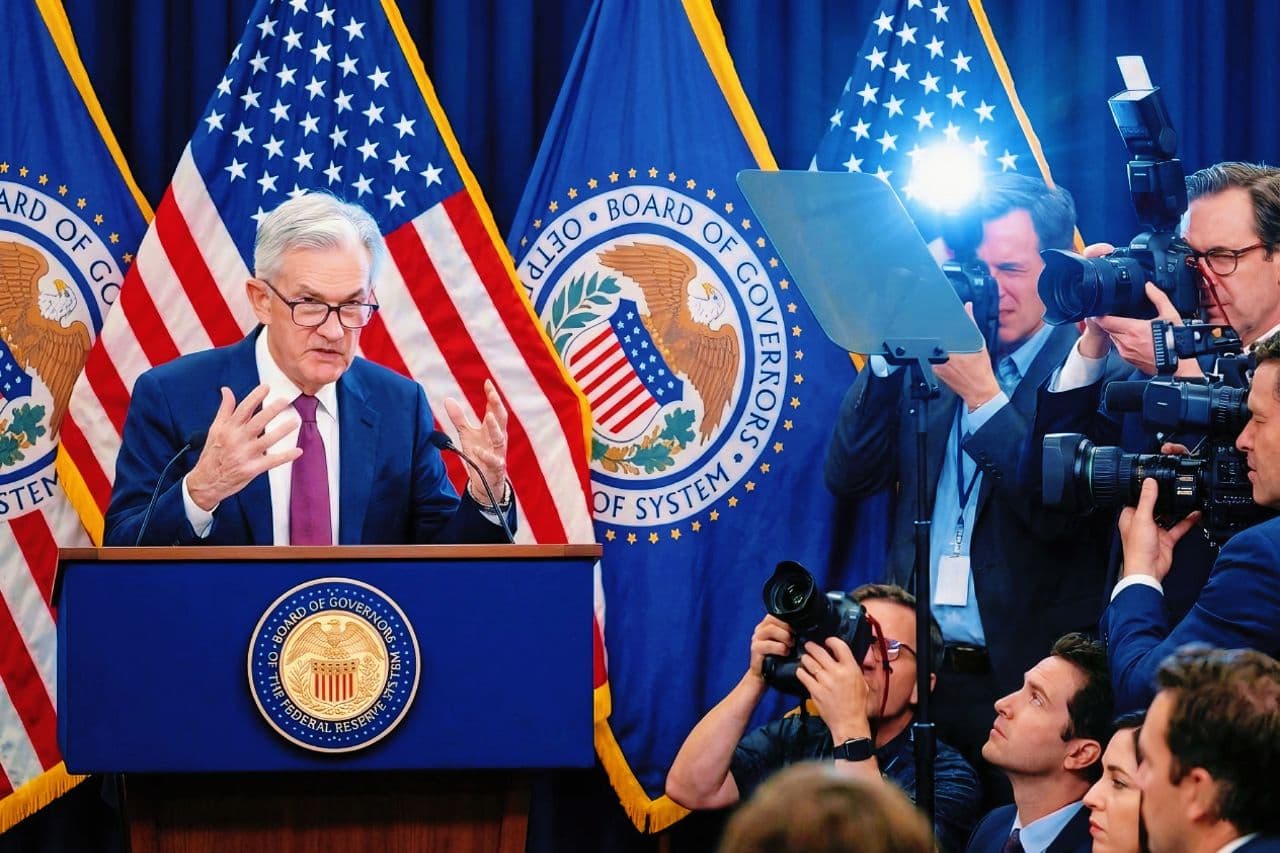
Globally, the Basel Accords established a unified framework for banking oversight. The final phase, known as Basel III Endgame, is scheduled for full implementation by July 2028 in participating regions. However, the United States has not fully signed on, and recent testimony by Fed Chair Jerome Powell in 2024 signaled potential revisions amid industry pushback. The second Trump administration has since cast doubt on whether further reforms will be adopted.
Bottom Line
Despite sweeping reforms like Dodd-Frank and global efforts under the Basel Accords, the “too big to fail” dilemma remains unresolved. Major U.S. banks including JPMorgan Chase, Bank of America, Goldman Sachs, and Morgan Stanley are now larger than they were before the 2008 crisis, bolstered by crisis-era mergers and sustained growth.
Critics argue that these institutions still benefit from the perception of government rescue, which may incentivize excessive risk-taking. The continued regulatory focus on systemically important banks suggests that failure of any one of these giants could still trigger grave economic consequences, underscoring the fragility of global financial stability.