Trump vs Fed Clash 2026 – Interest Rate Risks and Market Outlook for Investors
- Experts, including former Federal Reserve chairs and the CEO of the nation’s largest bank, caution that President Trump’s push to pressure the central bank into lowering interest rates could have unintended consequences.
- They warn that undermining Fed independence may fuel rising inflation expectations and drive Treasury yields sharply higher, which in turn would ripple across the broader economy by increasing borrowing costs.
Key Takeaways
Trump-Fed Tensions 2026 – Rate Cuts, Inflation Risks, and Market Reactions
President Donald Trump has repeatedly argued that interest rates remain too high, but experts say his ongoing pressure campaign against the Federal Reserve is unlikely to deliver the results he wants.
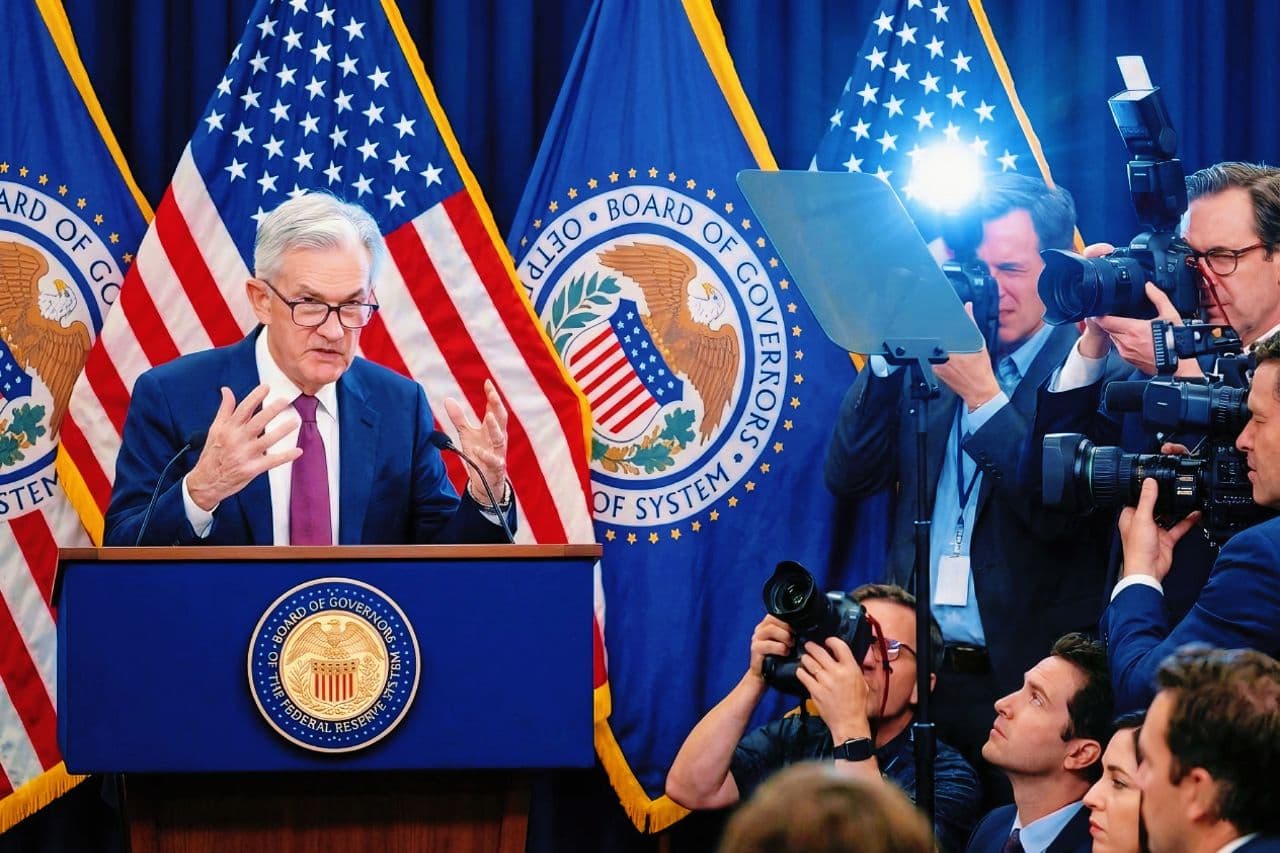
The relationship between Trump and Fed Chair Jerome Powell has been rocky, and tensions escalated this weekend when Powell revealed that the Justice Department had opened a criminal investigation into whether he misled Congress about renovation costs at the Fed’s headquarters. Powell dismissed the probe as politically motivated, emphasizing that the central bank sets rates based on economic assessments rather than presidential preferences.
The administration continues to push for aggressive rate cuts, but Fed policymakers who operate independently have resisted moving too quickly, citing inflation risks. While gradual cuts were made last year to support a weakening labor market, most analysts expect fewer reductions in 2026 than Trump would prefer.
Market indicators show inflation expectations have edged higher but not spiked, suggesting investors don’t view the investigation as a major driver of rate changes. That muted response has surprised some observers, including former Fed Chair and Treasury Secretary Janet Yellen, who noted her concern that markets aren’t more alarmed.






Why Fed Independence Matters for U.S. Economic Stability
The Federal Reserve’s ability to operate free from political influence is widely regarded as critical for maintaining sound monetary policy. At times, this independence requires policymakers to make difficult decisions that prioritize long-term stability over short-term political gains.
President Trump’s push to exert control over the central bank raises concerns among experts that confidence in U.S. economic policy could be undermined. Such interference risks distorting inflation expectations, weakening investor trust, and destabilizing financial markets.






Fed Independence Under Pressure – Expert Warnings on Inflation and Market Stability
The outcome of the probe into Federal Reserve Chair Jerome Powell remains uncertain, but several experts caution it could have unintended consequences. Bernard Yaros, lead U.S. economist at Oxford Economics, noted the investigation is unlikely to alter monetary policy and may even backfire by making officials more hesitant to cut rates in the future.
JPMorgan Chase CEO Jamie Dimon echoed similar concerns, warning that any erosion of Fed independence could raise inflation expectations and push interest rates higher over time. President Trump dismissed Dimon’s remarks as “wrong,” but the broader financial community remains wary.
Adding weight to these concerns, all three living former Fed chairs joined 14 policymakers across the political spectrum in signing a statement that warned undermining central bank independence would damage confidence in U.S. monetary policy and destabilize both domestic and global financial systems. The statement compared such interference to practices in emerging markets with weak institutions, stressing that it has no place in the United States, where the rule of law underpins economic success.





Powell’s Future at the Fed – Market Odds and Investor Safeguards
Many experts believe the ongoing investigation has actually increased the likelihood that Jerome Powell will remain at the Federal Reserve as a governor after his current term as chair ends in May. While Fed chairs serve four-year terms, governors serve 14-year terms, and by law, chairs are always governors who can continue in that role once their tenure as chair concludes. Prediction market Kalshi reflected this shift, with odds of Powell leaving before August dropping sharply before recovering to about 66%.
Bernard Yaros of Oxford Economics noted that Powell’s continued presence on the Board would limit President Trump’s ability to reshape the Fed’s composition, since any new chair would need to take the seat currently held by Governor Stephen Miran. Miran, a Trump appointee and former White House advisor, was appointed last year to complete the term of Governor Ariana Kugler, which ends January 31.
Yaros also emphasized that investors themselves could act as a check against political influence over monetary policy. In the short term, any erosion of Fed credibility could trigger a Treasury sell-off, driving yields higher and raising borrowing costs across the economy. For now, bond yields have ticked lower this week, but the risk of volatility remains.






Supreme Court Case Could Redefine Fed Independence – Long-Term Risks for Inflation and Governance
Economic models indicate that politically driven rate cuts may temporarily boost growth but would also fuel inflation and push market-based interest rates higher. This scenario could leave future Federal Reserve policymakers with limited options to bring inflation back to target, creating long-term instability.
Bernard Yaros of Oxford Economics argues that an upcoming Supreme Court decision may carry greater implications for Fed independence than the Powell investigation. The court is set to hear arguments on whether President Trump has the authority to remove Fed Governor Lisa Cook, whom he sought to dismiss last year over contested allegations of mortgage fraud.
Yaros warns that a ruling against Cook could set a precedent allowing current and future administrations to stack the central bank with politically aligned appointees, undermining its independence and credibility.






The Bottom Line
The escalating battle between President Trump and the Federal Reserve underscores the critical importance of central bank independence. Politically motivated rate cuts may offer short-term growth but risk fueling inflation, driving Treasury yields higher, and undermining investor confidence. With Powell’s future, Supreme Court rulings, and market reactions all in play, the outcome could reshape monetary policy and long-term economic stability in the U.S.