Trump’s Fed Chair Pick Kevin Warsh — Interest Rate Changes Ahead
- Incoming Federal Reserve Chair Kevin Warsh is expected to advocate for lower interest rates in the short term, though it remains uncertain whether he will succeed in achieving them.
- Over the longer horizon, Warsh may favor keeping rates higher compared to other candidates previously considered, signaling a more cautious approach to monetary easing.
- His prior experience as a Fed governor could bolster his credibility and reassure markets about the central bank’s independence and stability.
Key Takeaways
Trump Picks Kevin Warsh for Fed Chair — Markets See Credibility, Rate Shift Ahead
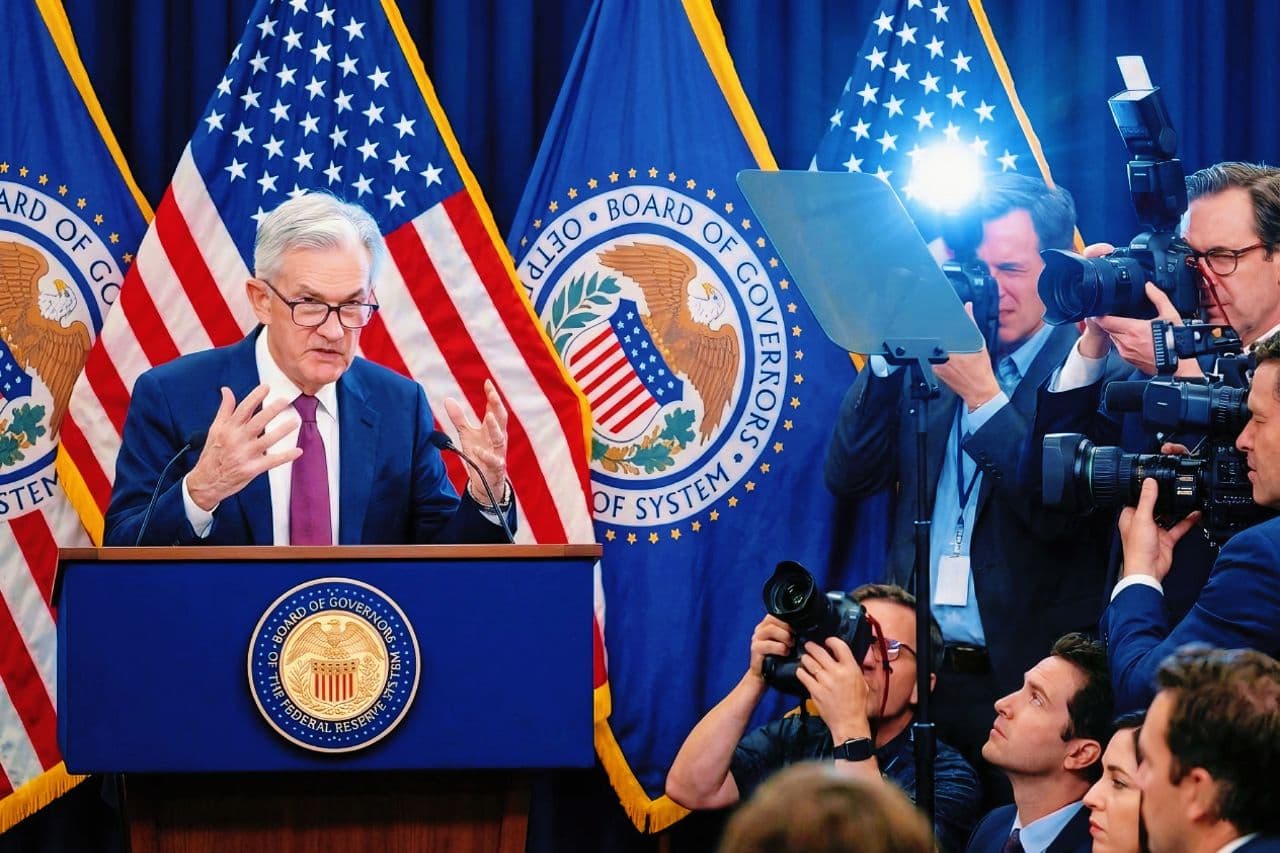
President Donald Trump’s choice of former Federal Reserve governor Kevin Warsh to lead the central bank reassured financial markets that an experienced figure will be at the helm. Warsh’s Wall Street background and his advocacy for lower interest rates align with Trump’s priorities, though analysts expect his leadership could reshape Fed operations more broadly.
Experts noted that Warsh’s selection is more credibility-enhancing than other candidates considered, many of whom had closer ties to Trump. This could strengthen public confidence in the Fed’s independence at a time when its autonomy from the White House is under scrutiny.


What This Means for the Economy
Kevin Warsh’s appointment as Federal Reserve Chair signals a potential shift toward tighter monetary policy compared to other candidates Trump considered. If the Fed maintains higher interest rates under his leadership:
- Inflation Control: Higher rates could help keep inflation in check, reducing upward pressure on consumer prices.
- Economic Cooling: A more restrictive policy stance may slow economic growth, tempering demand and investment.
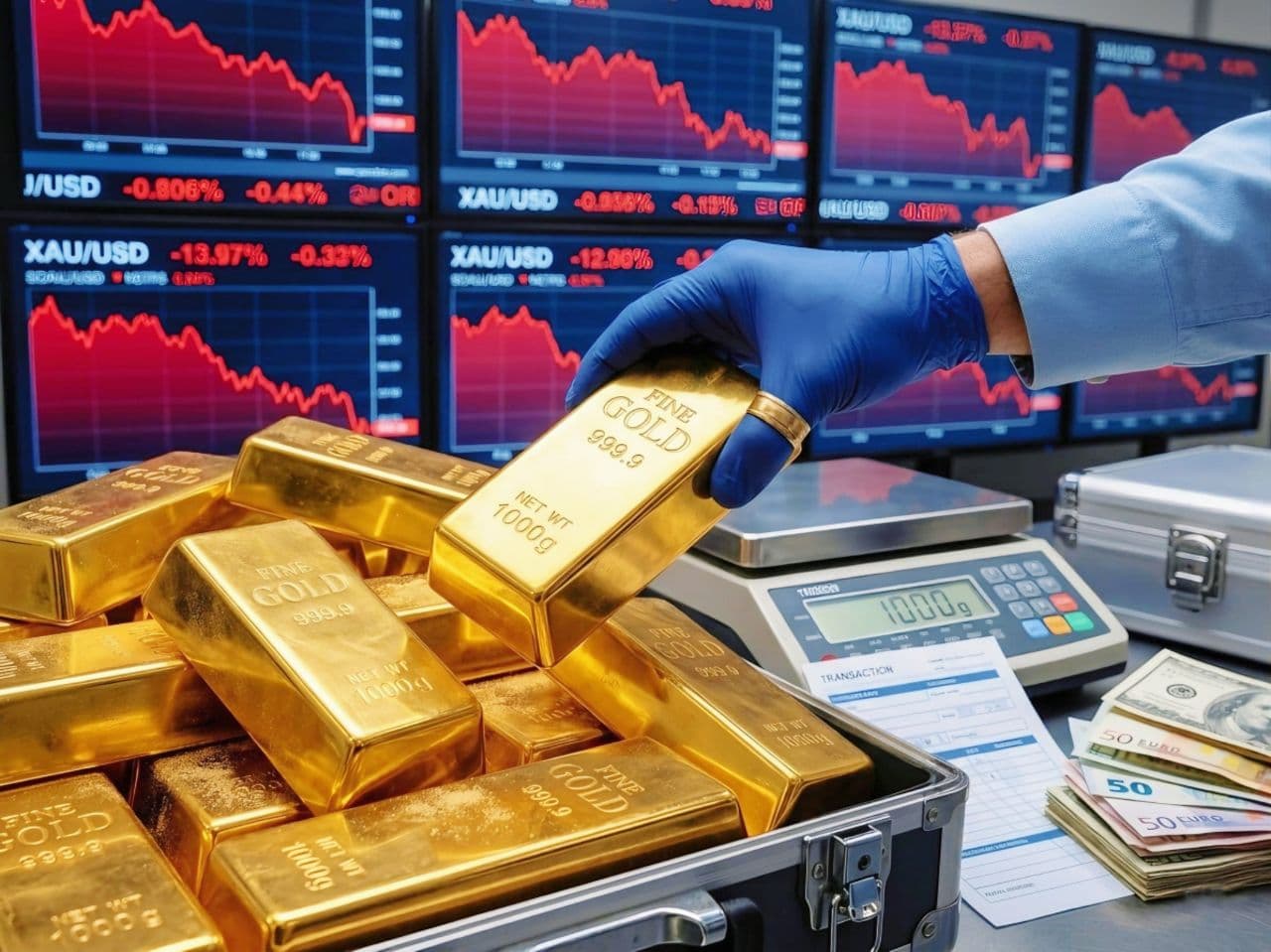
- Market Reaction: The prospect of tighter policy already sent stocks and precious metals lower, while strengthening the U.S. dollar — reflecting investor expectations of reduced liquidity and higher yields.
- Long-Term Impact: While this could stabilize the economy and reinforce Fed credibility, it may also challenge borrowers and sectors reliant on cheap credit, such as housing and corporate debt markets.


Kevin Warsh Likely to Cut Rates Early — Fed Consensus Could Limit Moves
Financial markets anticipate that incoming Fed Chair Kevin Warsh will lower interest rates at the start of his four-year term in May. However, analysts caution that his history as a monetary “hawk” suggests he will be reluctant to pursue aggressive easing beyond initial cuts. Heather Long of Navy Federal Credit Union noted that Warsh is pragmatic and unlikely to risk market trust with unwarranted rate reductions, given his long-standing concern about inflation.
Experts like Richard Flax of Moneyfarm argue that Warsh’s skepticism of aggressive quantitative easing during the financial crisis signals he won’t favor steep cuts, despite Trump’s demands. His ability to deliver even modest rate reductions may be constrained by the divided 12-member Federal Open Market Committee, where consensus is harder to build. Jake Krimmel of Realtor.com added that Warsh could face weaker influence than past Fed Chairs, resulting in less clear policy guidance and noisier signals for markets.


Kevin Warsh Brings Fed Credibility — Markets React to Trump’s Pick
Kevin Warsh’s nomination as Federal Reserve Chair is seen as a credibility boost for the central bank. With five years of experience on the Fed’s Board of Governors during the 2008 financial crisis, Warsh was widely regarded as Ben Bernanke’s bridge to Wall Street. His background as a lawyer and former Morgan Stanley executive adds gravitas, and analysts expect him to act as a critical thinker rather than a “yes-man.”
Financial markets responded positively to his selection, with the U.S. dollar firming and gold and silver prices falling. Analysts suggest Warsh’s close ties to market participants will help him maintain trust, reinforcing confidence in the Fed’s independence and stability under his leadership.


Kevin Warsh Could Reshape Fed Balance Sheet — Hawkish Approach Ahead
While Kevin Warsh brings deep experience to the role of Federal Reserve Chair, his leadership may not mean business as usual. A longtime critic of the Fed’s reliance on its balance sheet the buying and selling of securities to influence financial markets Warsh could push for institutional changes that scale back this tool.
Economists at Deutsche Bank, led by Matthew Luzzetti, noted that Warsh’s consistent criticism of the Fed’s active balance sheet management over the past 15 years has earned him the label of a “hawk.” His stance suggests a more restrained approach to monetary intervention, potentially reshaping how the Fed manages liquidity and market stability.


Kevin Warsh Takes Fed Helm at Crucial Time — Inflation and Independence in Focus
Kevin Warsh will assume leadership of the Federal Reserve at a pivotal moment. His first priority, experts say, will be to establish credibility by demonstrating a firm commitment to keeping inflation under control while safeguarding the Fed’s independence. That task could be immediately tested if President Trump continues pressing for steep interest rate cuts.
Economist Porcelli noted that every incoming Fed chair must earn market trust, but the challenge is sharper now with inflation running above target for five years and political pressure mounting. Warsh’s ability to balance credibility, inflation discipline, and independence will shape both market confidence and the Fed’s policy trajectory.


The Bottom Line
Kevin Warsh’s appointment as Federal Reserve Chair represents both stability and potential change. His credibility from serving during the 2008 financial crisis reassures markets, but his hawkish stance on inflation and skepticism of the Fed’s balance sheet signal a more disciplined approach to monetary policy.
In the short term, Warsh may allow modest rate cuts to ease borrowing costs, but over the longer run he is expected to keep rates higher than Trump’s other contenders would have cooling the economy while keeping inflation in check. His leadership will be tested immediately by Trump’s political pressure for steep cuts, making the balance between Fed independence, inflation control, and market trust the defining challenge of his tenure.