U.S. Government Shutdown 2025: What’s at Risk as Historic Closure Looms
- The ongoing government shutdown is inflicting widespread hardship, especially on federal employees and low-income households who rely on food assistance programs like SNAP. With agencies closed and funding halted, millions face missed paychecks and food insecurity—undermining consumer spending and slowing economic momentum.
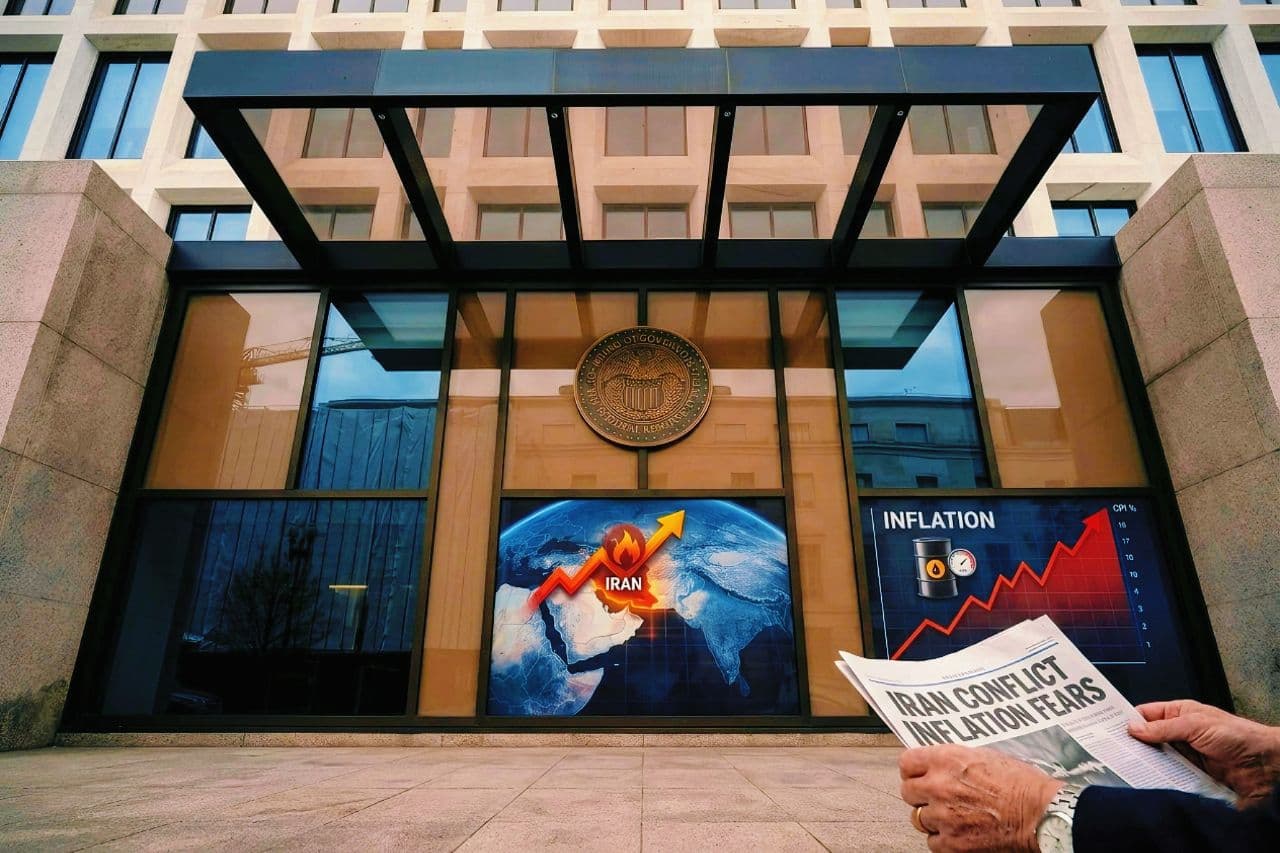
- Compounding the damage is a blackout in federal data reporting. Key agencies like the Bureau of Labor Statistics and Census Bureau are unable to release vital economic indicators, leaving policymakers, investors, and the Federal Reserve without the tools they need to assess inflation, employment, and GDP trends. This lack of visibility increases the risk of misinformed decisions and policy missteps.
Key Takeaways
The United States is on the brink of its longest government shutdown in history, with the current closure entering its fifth week. If lawmakers fail to reach a deal by Tuesday, the shutdown will surpass the previous record, intensifying financial strain on millions of Americans and disrupting key federal operations.
The economic fallout is already mounting. Federal workers are missing paychecks, with an estimated 1.8 million payments skipped so far. The Department of Agriculture has warned that funding for the Supplemental Nutrition Assistance Program (SNAP) will run out by Saturday, potentially cutting off food aid for millions. At least 25 states have said they won’t be able to continue benefits without federal support, putting 42 million recipients at risk of hunger.
The shutdown has also triggered a data blackout. With statistical agencies shuttered, critical reports on inflation, employment, and GDP are delayed or canceled. This leaves the Federal Reserve and investors flying blind as they make high-stakes economic decisions. Fed Chair Jerome Powell acknowledged the challenge, noting that the lack of data could affect interest rate policy heading into the December meeting.
The Congressional Budget Office estimates the shutdown could shave 1 to 2 percentage points off fourth-quarter GDP growth, with permanent losses between $7 billion and $14 billion. While some of that may be recovered once the government reopens, the damage to household finances and economic momentum could linger.
Shutdown Day 30: Historic Standoff Threatens Deeper Economic Fallout
As the federal government shutdown stretches into its 30th day, the economic and political consequences are intensifying. The standoff, which began on October 1 over health care policy disputes, has already disrupted household budgets, stalled federal services, and left policymakers without critical economic data.
With no resolution in sight, the odds of a record-breaking shutdown are rising. Betting markets like Polymarket now give just a 30% chance of a deal by November 7, though optimism ticked up slightly after Senate Majority Leader John Thune noted an increase in bipartisan dialogue. Still, if Congress fails to act by Tuesday, this will become the longest shutdown in U.S. history.
Meanwhile, the financial toll continues to mount. Federal workers remain unpaid, food assistance programs face imminent funding lapses, and the broader economy is absorbing the shock of delayed spending and frozen operations.






While the economy is projected to rebound once the government reopens, analysts warn that not all losses will be recovered. The Congressional Budget Office estimates that the shutdown could reduce fourth-quarter GDP growth by 1 to 2 percentage points. Although back pay and resumed operations may restore some momentum, permanent damage estimated between $7 billion and $14 billion will linger in sectors like consumer spending, federal contracting, and public services.






SNAP Cuts and Furlough Fallout: Shutdown Pushes Millions Toward Financial Crisis
The shutdown’s impact is hitting the nation’s most vulnerable households hardest. With the Department of Agriculture halting funding for the Supplemental Nutrition Assistance Program (SNAP) as of Saturday, millions face a sudden loss of food aid. Although states administer SNAP, at least 25 have confirmed they won’t continue benefits during the shutdown, leaving up to 42 million recipients exposed to hunger and hardship.
Oxford Economics reports that low-income families rely on SNAP to cover up to 90% of their food costs. Food banks are bracing for a surge in demand, warning that the lapse could force families to choose between groceries, rent, medicine, and utilities. The ARC, an advocacy group for people with disabilities, emphasized that disabled Americans already facing higher poverty and food insecurity rates are especially at risk.
Federal workers are also under strain. Whether furloughed or working without pay, they’ve collectively missed 1.8 million paychecks so far. Even if back pay is eventually issued, the immediate financial disruption is severe, compounding the shutdown’s economic toll.






Shutdown’s Economic Toll: GDP Growth Slashed, Billions Lost Permanently
The ongoing government shutdown is dragging down the U.S. economy, with the Congressional Budget Office projecting a 1 to 2 percentage point drop in fourth-quarter GDP growth. That’s a sharp hit, considering the economy expanded at a 3.8% annualized rate in Q3 meaning the shutdown could cut that momentum in half.
While some of the lost output may rebound once the government reopens and back pay is distributed, the CBO warns that not all damage will be recovered. Permanent losses in economic activity are estimated between $7 billion and $14 billion, driven by delayed spending, disrupted services, and weakened consumer confidence.






The Data Dark Age: Shutdown Silences Key Economic Signals
The shutdown has triggered a data blackout across federal statistical agencies, delaying critical reports on inflation, employment, and GDP. The Bureau of Labor Statistics failed to release its September job creation report, and the October report scheduled for Nov. 7 is also at risk of cancellation if lawmakers remain deadlocked.
This absence of data is forcing investors, business leaders, and the Federal Reserve to operate without essential insights. Fed Chair Jerome Powell acknowledged the blackout’s impact after the central bank lowered interest rates this week. Without reliable indicators, the Fed may adopt a more cautious stance heading into its December meeting, potentially delaying further rate adjustments.