U.S. Inflation 2021 Legacy: Fed Still Battling Price Pressures in 2026
- Fed officials held off on cutting interest rates at their latest meeting, citing inflation still above the 2% target.
- Inflation has not dipped below 2% since 2021, keeping the central bank cautious about easing policy.
- The post-pandemic inflation surge continues to shape economic decisions, reminding leaders of the unexpected price pressures that began in 2020.
Key Takeaways
Fed Holds Rates as Inflation Lingers Above Target Since 2021
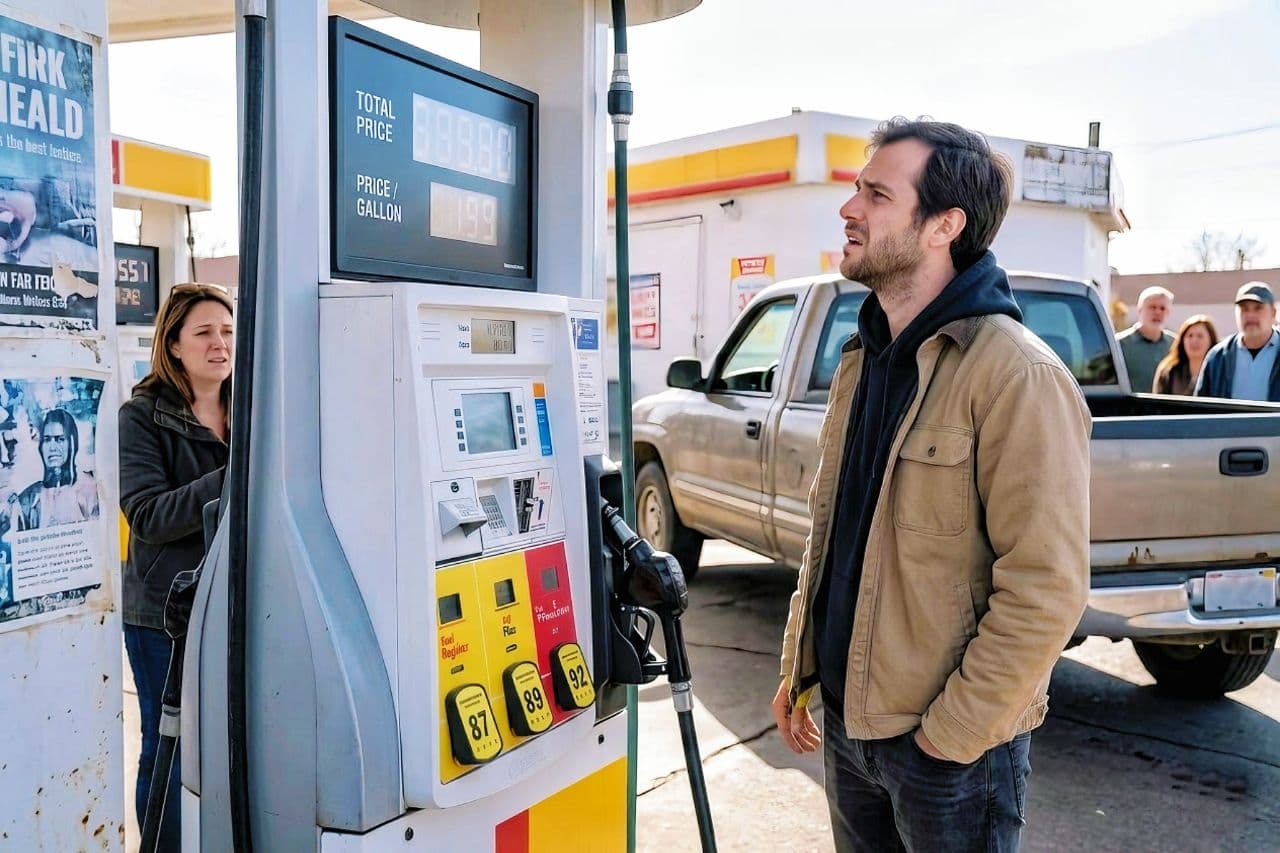
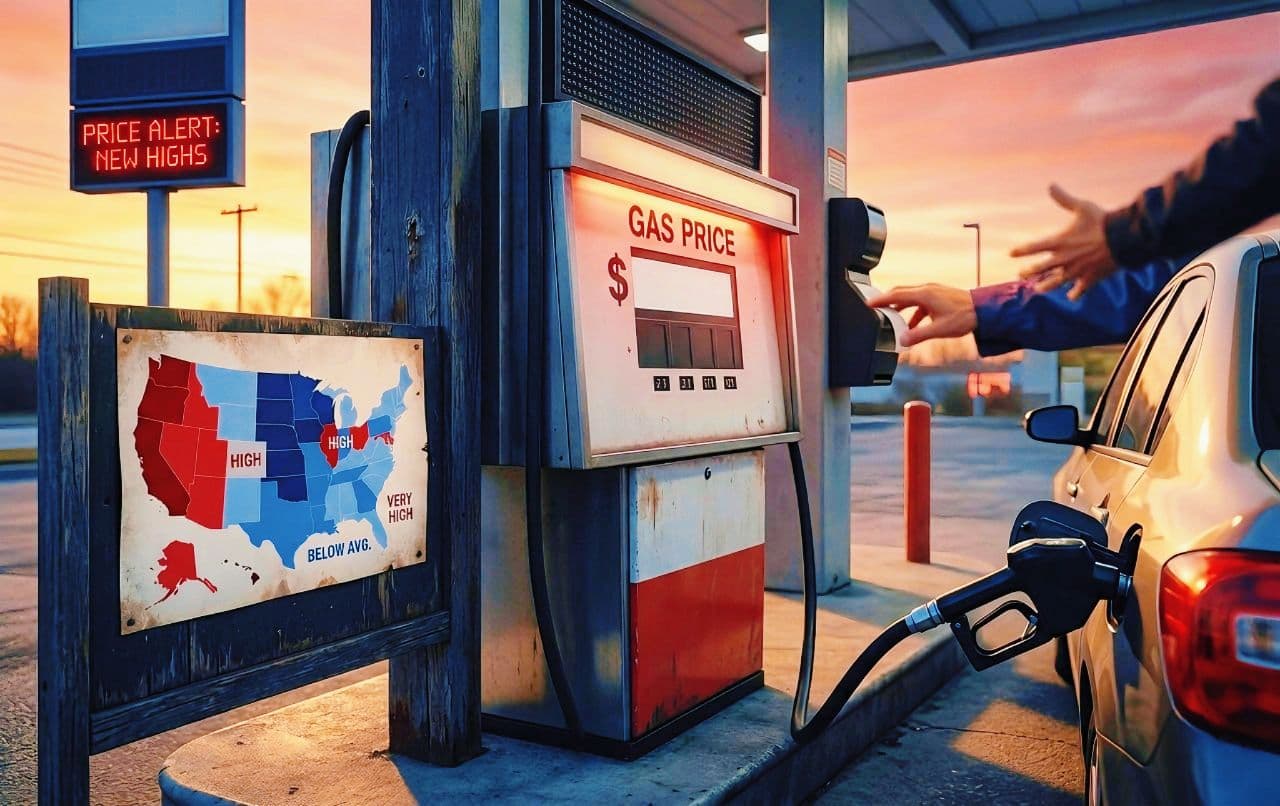
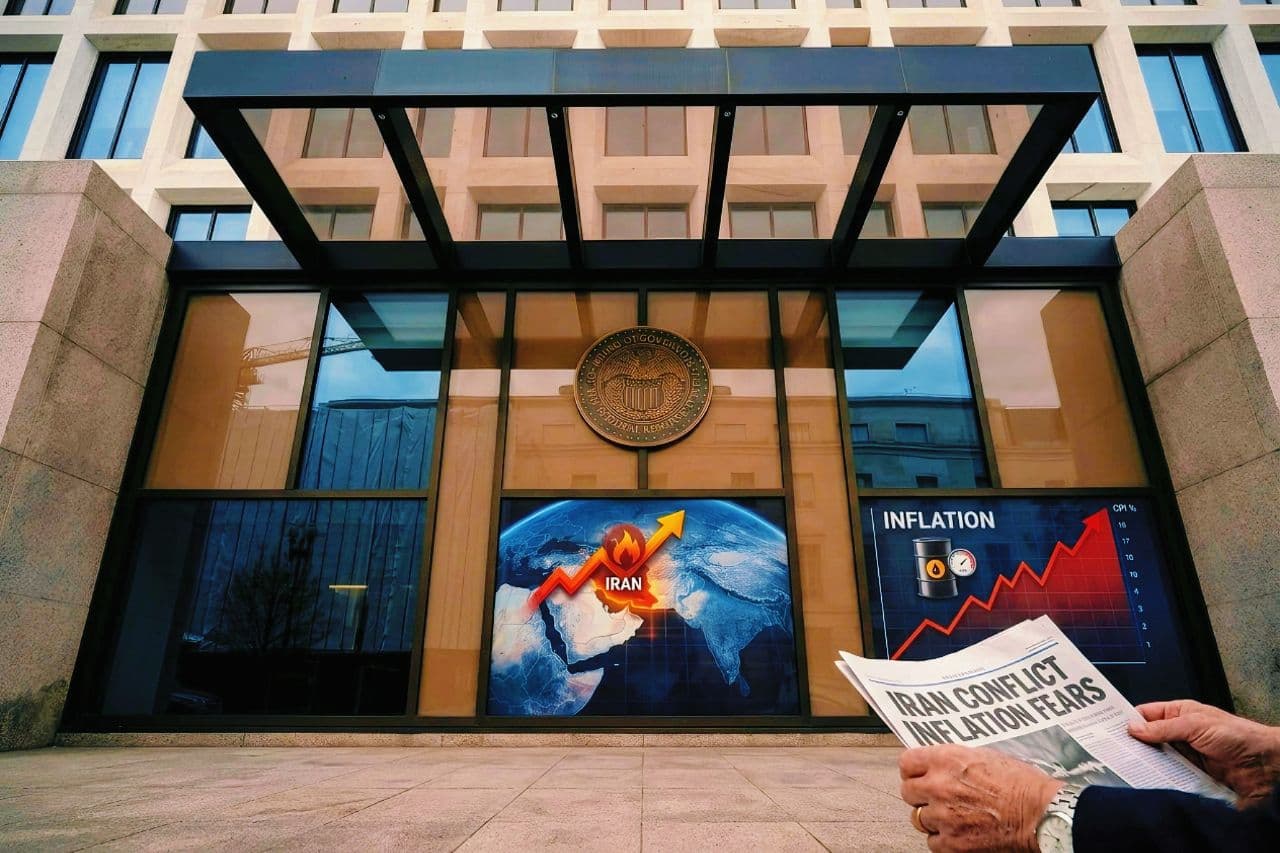
The surge of inflation that began after the pandemic continues to weigh on household budgets and remains a central concern for Federal Reserve officials. Despite progress December’s Consumer Price Index rose 2.7%, far below the 9% peak in 2022 inflation has stayed above the Fed’s 2% goal for nearly five years.
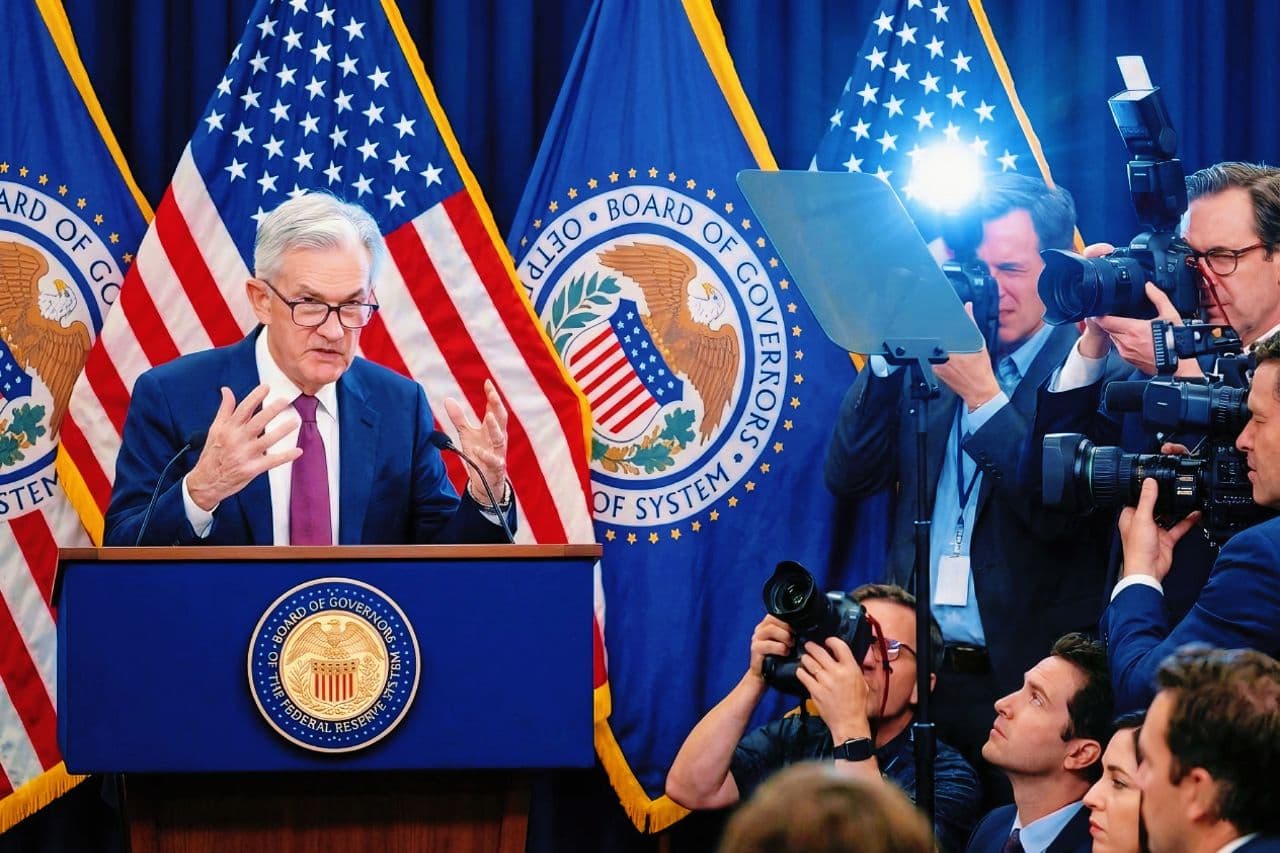
At their most recent meeting, Fed officials kept the key interest rate steady after three consecutive quarter-point cuts aimed at supporting the job market. Concerns about persistent inflation prevented further easing, as policymakers debated whether rising prices or joblessness pose the bigger risk to the Fed’s dual mandate of price stability and full employment.
Thomas Barkin, president of the Federal Reserve Bank of Richmond, underscored the challenge: “While we’ve made a lot of progress on inflation, it still remains above our target. That’s been the case since 2021.”






What Persistent Inflation Means for the U.S. Economy in 2026
The Federal Reserve’s continued focus on inflation suggests interest rate cuts may be limited in the months ahead. Policymakers remain cautious after being caught off guard by the sharp price surge in 2021 and 2022, and inflation has yet to fall back to the Fed’s 2% target.
This restraint could slow momentum in the job market, as higher borrowing costs weigh on business investment and consumer spending. At the same time, it underscores the Fed’s priority of keeping prices stable, even if that means delaying stronger support for employment. The balance between inflation control and job creation will be central to the economic outlook in 2026.






Fed Split on Inflation Outlook: Rates Likely Steady Until June
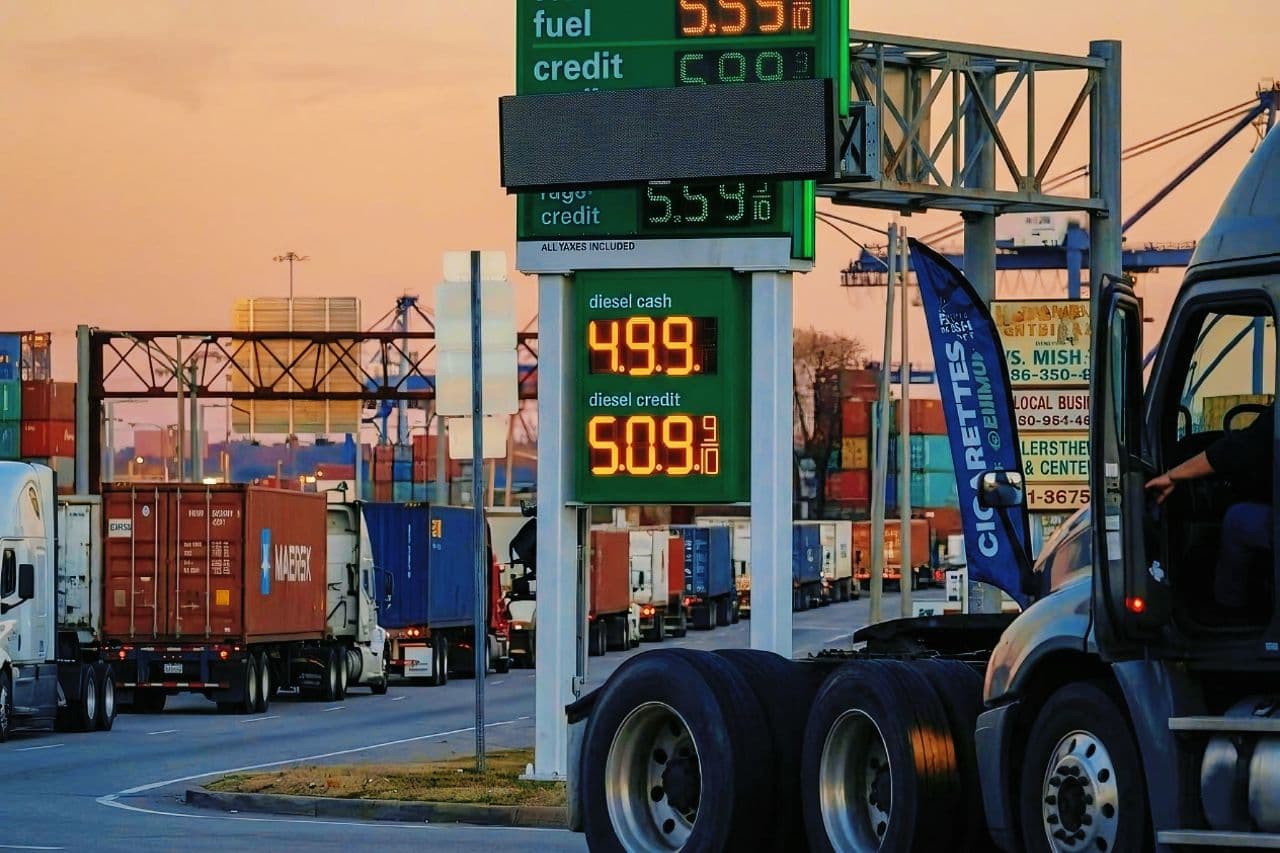
The inflation outlook remains clouded by housing costs and tariff-related price increases, with Fed officials divided on the path forward. Richmond Fed President Thomas Barkin cautioned that inflation’s persistence cannot be dismissed as a one-time effect, while Atlanta Fed President Raphael Bostic urged patience, noting inflation has hovered in the “high 2s, low 3s” range for two years.
In contrast, Fed Governor Michelle Bowman expressed confidence that inflation will fall to 2% soon, advocating for three rate cuts over the next year. Still, she warned against overreacting to short-term data distortions.
With hiring slowing and inflation still above target, the Federal Open Market Committee is expected to keep rates steady through its next two meetings. Traders currently see a 66% chance of a rate cut in June, coinciding with the end of Fed Chair Jerome Powell’s term.






A Look Back: Pandemic-Era Fed Decisions Still Shape Inflation Outlook
The newly released transcripts from early 2020 highlight how unpredictable the economy can be. At the onset of the COVID-19 pandemic, FOMC members slashed interest rates to near zero to counter what they saw as the biggest threat mass unemployment. At the time, officials believed the virus would be disinflationary, not inflationary, underestimating how supply chain disruptions would later fuel a surge in prices.
Fed leaders were more concerned about inflation running below the 2% target than above it. That perspective shifted dramatically as inflation spiked in 2021 and 2022, leaving a lasting imprint on today’s policy debates. Current officials, many of whom were on the FOMC in 2020, now cite those lessons as reminders of how quickly inflation can destabilize the economy.






The Bottom Line
The Federal Reserve remains constrained by the lingering effects of the post‑pandemic inflation surge. Even though price growth has cooled from its 2022 peak, inflation has stayed above the Fed’s 2% target for nearly five years, keeping officials cautious about cutting rates.
The split among policymakers some urging patience, others pushing for rate cuts underscores the challenge of balancing inflation control with job market support. For households and businesses, this means borrowing costs are likely to remain elevated at least through mid‑2026, with the Fed’s credibility and inflation fight still front and center.