U.S. Job Market Weakens: 92,000 Jobs Lost in February
- Employers shed 92,000 jobs, marking the worst month for job creation since October.
- Economists had expected a gain of 50,000 jobs, making the downturn a sharp surprise after January’s surge.
Key Takeaways
U.S. Job Market Loses Momentum
The February jobs report delivered a sharp setback. Employers unexpectedly shed 92,000 jobs, the steepest decline since October, and the unemployment rate ticked up to 4.4% from 4.3% in January. Economists had forecast a gain of 50,000 jobs, making the downturn a clear surprise.
The weak report dashed hopes that January’s surge signaled stabilization. Instead, it reinforced concerns that the labor market is still losing steam. 2025 had already been the slowest year for job creation outside of a recession in more than two decades, and February’s losses suggest that trend is continuing.
Analysts warn the softness is spreading across industries. Cory Stahle of Indeed noted that while January raised hopes of a turnaround, February’s data points to “continued evidence of softening and emerging warning signs.”
This reversal underscores the fragility of the recovery. A cooling job market threatens consumer confidence, spending, and overall economic growth, while complicating the Federal Reserve’s policy decisions in the months ahead.






What This Means For The Economy
The February jobs downturn points to broader weakness in the U.S. economy. With employers cutting 92,000 positions and unemployment rising to 4.4%, the labor market is showing signs of strain that could ripple into consumer confidence and spending.
For the Federal Reserve, this softening may strengthen the case for lowering interest rates. A rate cut would aim to encourage borrowing and investment, support household demand, and ultimately boost hiring. However, policymakers face a delicate balance: easing too quickly risks reigniting inflation, while waiting too long could deepen the slowdown.
In short, the report signals that the economy’s resilience is under pressure. If job losses persist, the Fed may be compelled to act more aggressively to stabilize growth and prevent further erosion in the labor market.






U.S. Job Market Weakness Deepens With Revisions
Details of the February employment report only reinforced the message of a slowing labor market. The Bureau of Labor Statistics revised the previous two months downward by a combined 69,000 jobs, erasing December’s reported gain of 48,000 and turning it into a net loss of 17,000.
These revisions highlight how fragile the labor market has become. Even modest gains are being wiped away, underscoring that the slowdown is more entrenched than initially believed. The economy has now lost jobs in five of the last nine months, a clear signal that hiring momentum is faltering.
For households, this trend means fewer opportunities and rising uncertainty. For businesses, weaker demand and tighter margins compound the challenge of navigating inflation pressures. Analysts warn that the revisions deepen concerns about consumer confidence and spending, which remain critical to sustaining growth.
The Federal Reserve will be watching closely. Persistent job losses strengthen the case for considering interest‑rate cuts to stimulate borrowing and hiring, but policymakers must weigh that against the risk of reigniting inflation. The downward revisions make clear that the labor market is losing steam faster than expected.






Fed Faces Stagflation Risks Amid Job Losses
The February jobs report was dented by a nurses’ strike in New York, which cut 28,000 health care jobs after the sector had added 77,000 positions in January. This unexpected downturn has intensified pressure on the Federal Reserve to consider lowering interest rates to support borrowing, spending, and hiring.
While Fed officials are expected to keep rates steady at their upcoming meeting, traders quickly adjusted expectations. According to CME Group’s FedWatch tool, the probability of a June rate cut rose to 36% from 30%, reflecting growing concern that the labor market is weakening faster than anticipated.
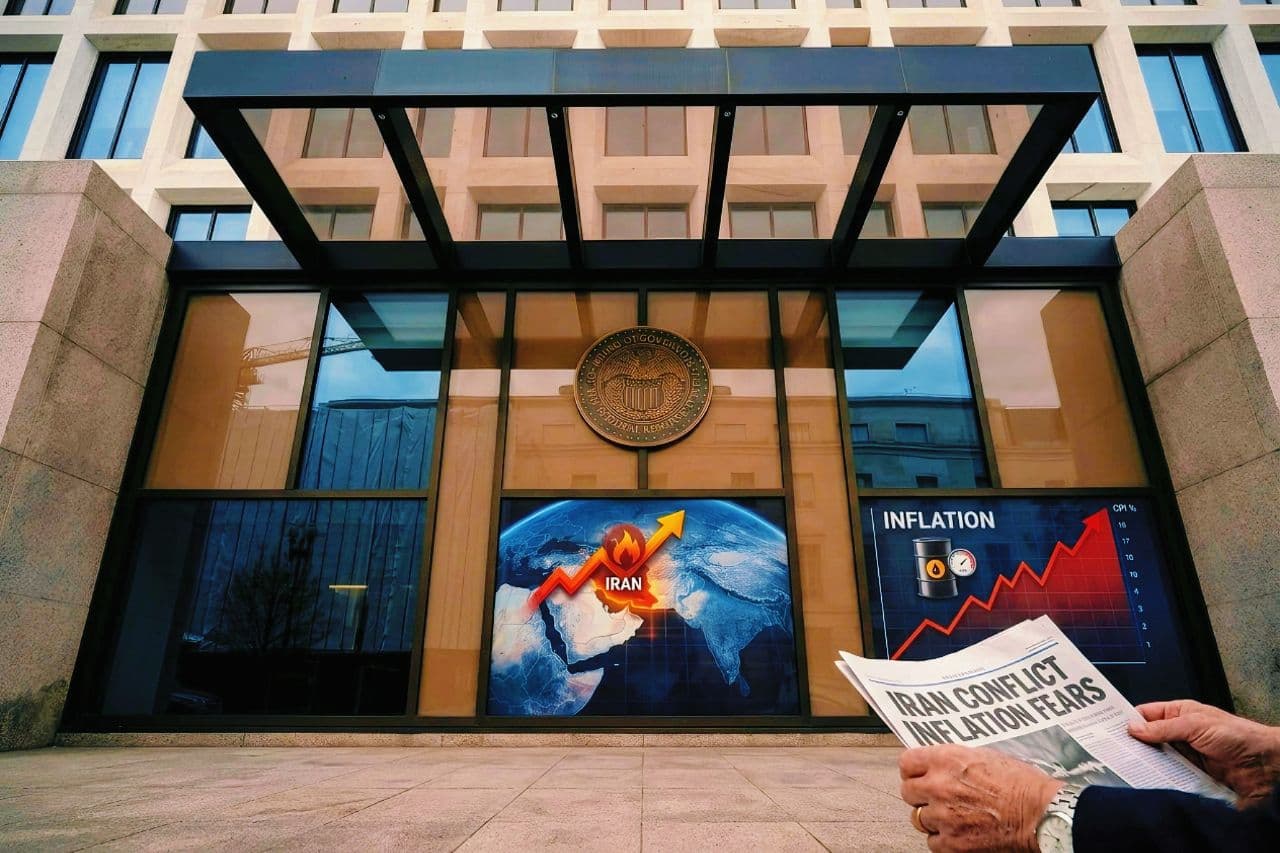
Analysts warn that the Fed’s narrative of labor market stabilization is becoming harder to sustain. Elyse Ausenbaugh of J.P. Morgan Wealth Management noted that the latest data undermines patience on rate cuts, though inflation pressures remain a counterweight. Rising energy costs linked to the Iran conflict are adding to inflation risks, raising fears of stagflation sluggish growth combined with high prices.
Trade policy uncertainty is compounding the challenge. Court rulings against President Trump’s tariffs and his new sweeping import tax have injected fresh volatility into the outlook. As Ausenbaugh put it, higher oil prices, Middle East conflict, and renewed tariff uncertainty create a “stagflationary mix of risks” that complicates the Fed’s path forward.






The Bottom Line
The February jobs report confirmed that the U.S. labor market is weakening, with 92,000 jobs lost and downward revisions erasing prior gains. Health care employment, once a bright spot, fell sharply due to a nurses’ strike, while overall job losses have now occurred in five of the last nine months.
This downturn is pressuring the Federal Reserve to consider rate cuts, as traders have already moved up expectations for easing. Yet inflation risks remain elevated, driven by rising energy costs linked to the Iran conflict and renewed tariff uncertainty following recent court rulings and new import taxes.
The combination of slowing job growth, higher borrowing costs, and persistent inflation raises the specter of stagflation a period of stagnant growth paired with high prices. Analysts warn this mix of risks makes it harder for the Fed to maintain its narrative of labor market stability.
In short, the economy is caught between weakening employment and stubborn inflation. The Fed’s next moves will be critical in determining whether the U.S. can avoid a deeper slowdown or slips further into stagflationary territory.