War Impact on Inflation: Rising Costs Beyond Gas Prices
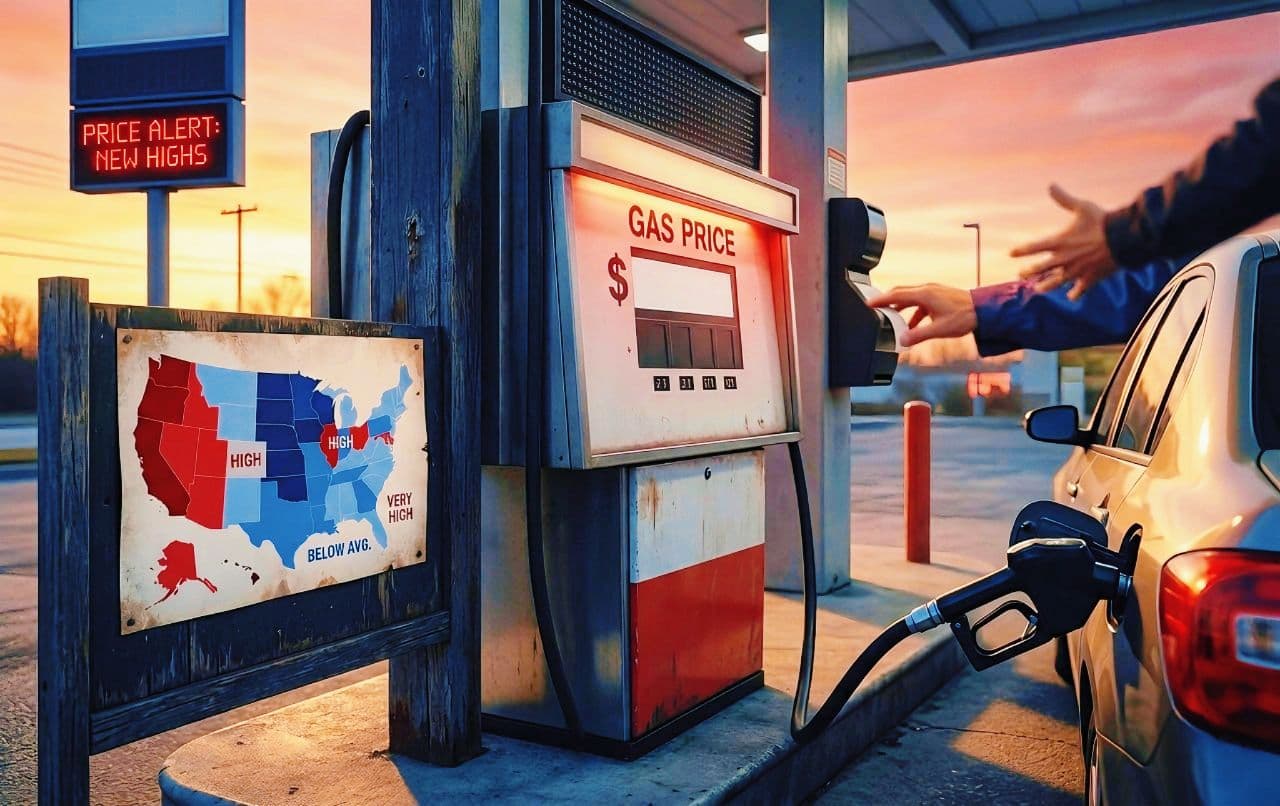
- Prices for food, consumer goods, airline tickets, and more could climb if the Iran war drags on. Economists warn that the spike in gas prices since the conflict began is likely to fuel broader inflation, as energy costs factor into nearly everything consumers purchase.
- Gasoline’s surge is especially concerning because it directly impacts household budgets and indirectly raises costs across supply chains. From groceries to manufacturing, higher fuel expenses ripple through production and transportation, amplifying inflationary pressures.
- The longer the war continues, the more severe these price hikes could become. Economists emphasize that prolonged instability in energy markets will magnify inflation risks, making everyday essentials more expensive and straining consumer spending power.
- For households, this means preparing for rising costs across multiple categories, not just at the pump. For policymakers, it underscores the challenge of balancing inflation control with economic stability in an environment shaped by geopolitical shocks.
Key Takeaways
War-Driven Fuel Surge Spreads Inflation
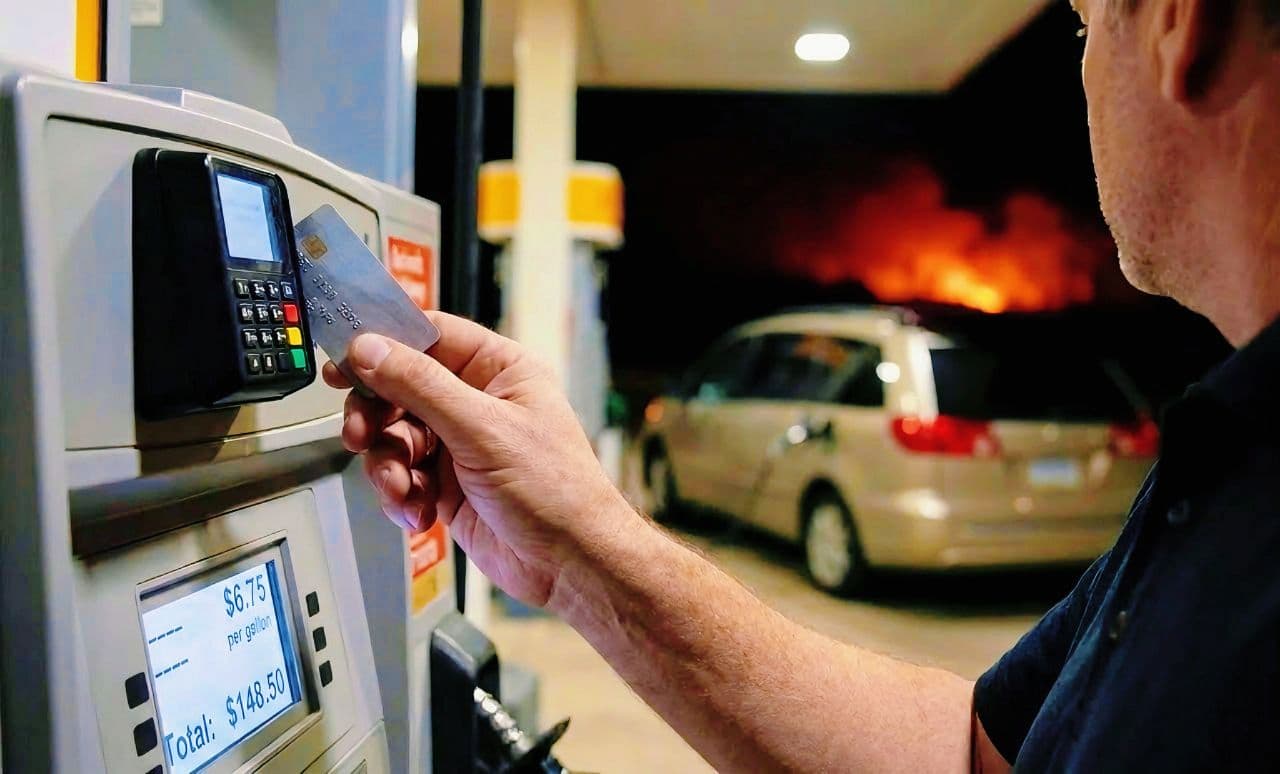
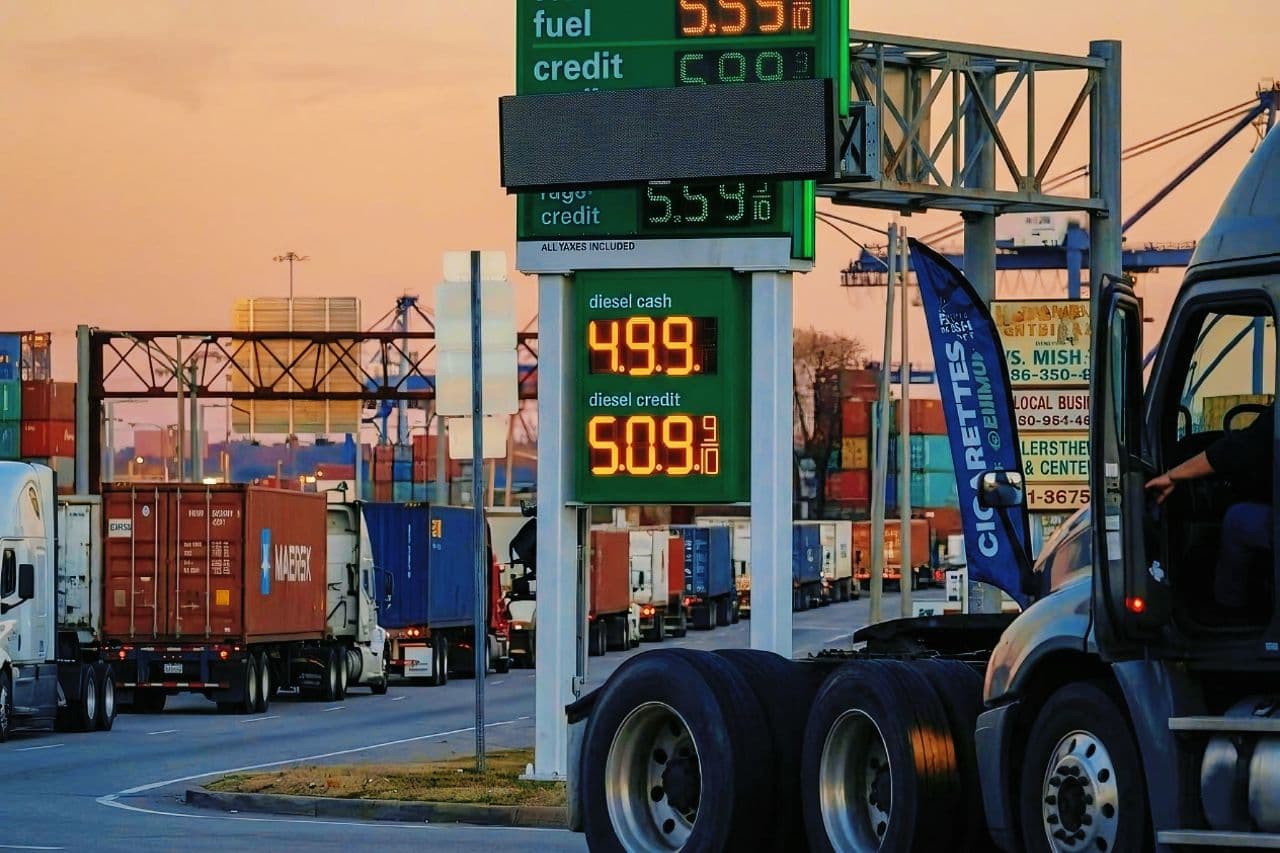
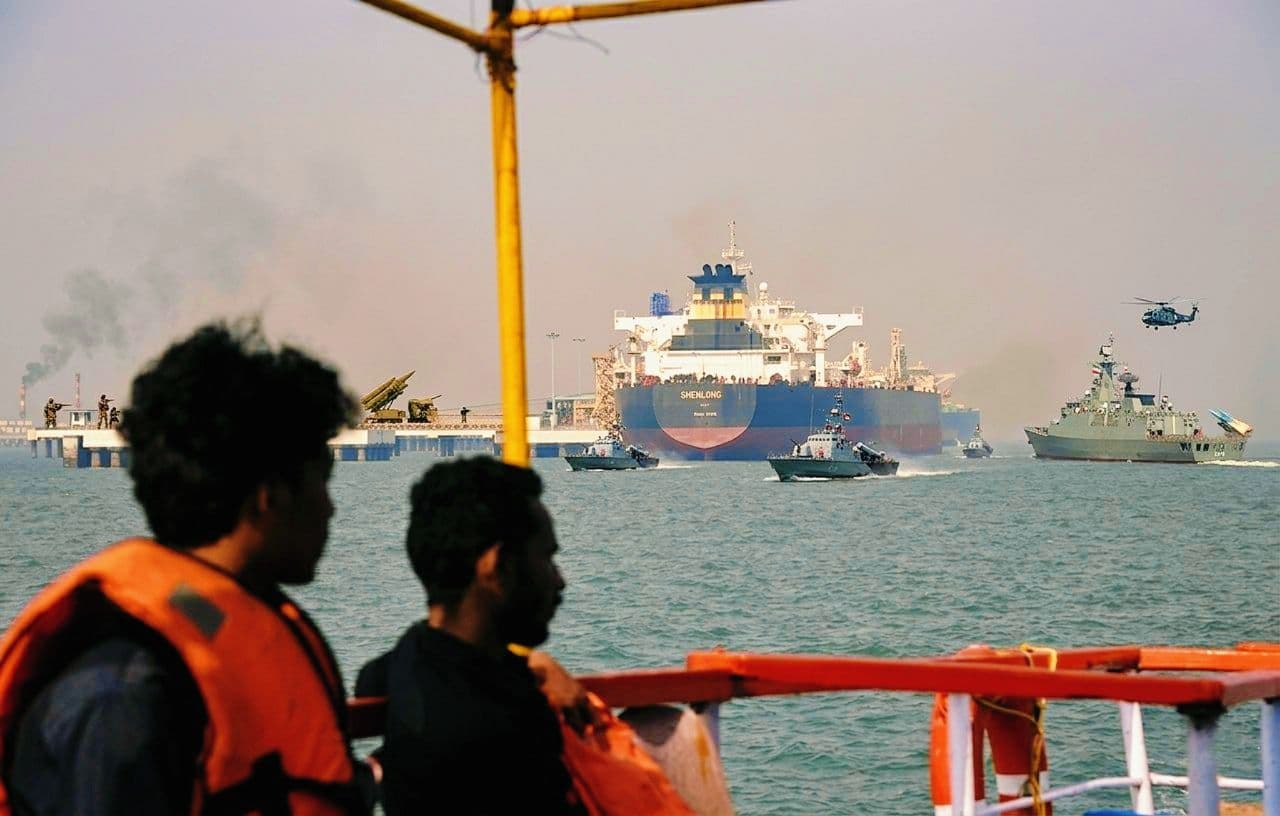
Gasoline’s February decline has already flipped into a March surge, with prices climbing 60 cents per gallon in just over a week. The Iran conflict has restricted sea traffic through the Strait of Hormuz, choking off about 20% of the world’s oil supply. That disruption has pushed both gas and diesel sharply higher diesel now sits at $4.81 per gallon, up $1.07 since March 1.
Fuel price spikes don’t stop at the pump. Because trucks, ships, and machinery rely on gasoline and diesel, higher energy costs ripple through nearly every sector of the U.S. economy. From groceries to consumer goods, transportation costs are embedded in the final price, meaning households will feel inflation beyond fuel.
Economists warn that the longer the war drags on, the more severe these knock-on effects will be. Rising fuel costs increase production expenses, shipping rates, and ultimately consumer prices across categories. This dynamic makes energy shocks one of the most powerful inflation drivers.
For consumers, the surge underscores the importance of tracking category-level inflation. Even if headline CPI looks stable, war-driven fuel costs can quickly reshape budgets, pushing up prices for food, airline tickets, and everyday essentials.






Economists caution that while oil prices have surged since the Iran conflict began, the U.S. economy isn’t yet at recession risk. Historically, oil would need to climb to around $130 per barrel and stay there to drag growth into contraction. As of Wednesday, prices were still hovering under $90 per barrel.
That gap matters: elevated fuel costs certainly raise inflationary pressures, but they don’t automatically tip the economy into recession unless they remain high for a sustained period. The current surge in gasoline and diesel prices will ripple through supply chains, lifting costs for food, consumer goods, and transportation. However, unless oil stabilizes at much higher levels, the broader economy may absorb the shock without collapsing.
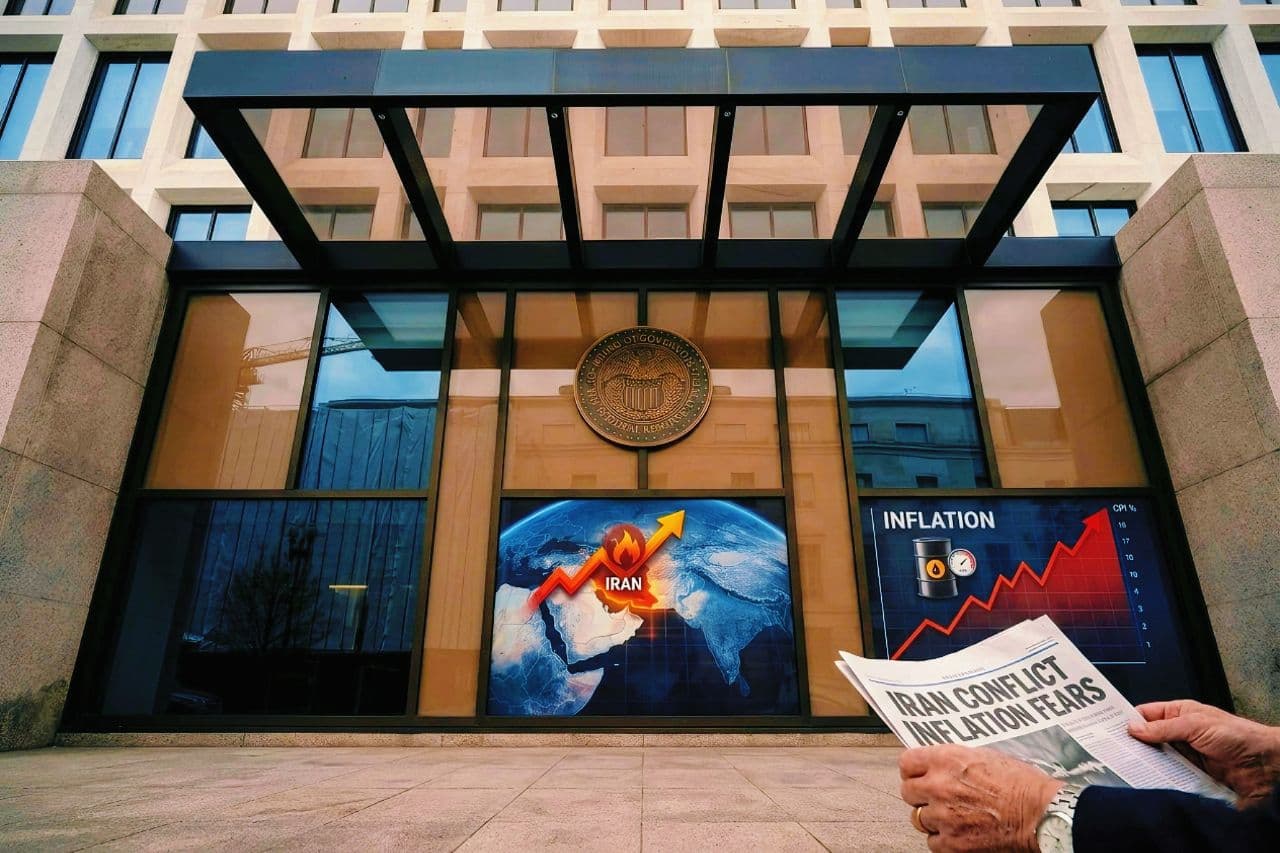
Resilience versus persistence. If oil prices retreat quickly, inflationary effects may fade, allowing the Federal Reserve to stay cautious but flexible. If prices remain elevated or climb further, households and businesses will feel mounting strain, potentially slowing growth and forcing policymakers to reconsider their stance on interest rates.
In short, the economy can withstand short-term energy shocks but prolonged high oil prices would test its durability.






Fuel Costs Ripple Across the Economy
Diesel’s surge is more than just a fuel story it’s an economic shockwave. As Patrick DeHaan noted, “Diesel powers trucks, farms, and construction. Spikes like this ripple through the entire economy.” With jet fuel up 64% in just a month, airlines face rising costs that will almost certainly translate into higher ticket prices. Fuel accounted for about a quarter of airline expenses in 2019, so sharp increases hit profitability fast.
For households, these pressures don’t stay abstract. Higher fuel costs filter into grocery bills, consumer goods, and travel expenses. As Sean Snaith of the University of Central Florida explained, it won’t be long before households feel the squeeze and begin cutting back on spending. That pullback in demand could slow economic activity, even if headline inflation looks steady.
Energy shocks don’t remain confined to the pump. They cascade through supply chains, raising costs across nearly every sector. If fuel prices remain elevated, the inflationary impact will spread, testing both consumer resilience and the Fed’s cautious stance.






Energy Costs: The Broader Inflation Risk
Rising energy prices don’t just hit drivers at the pump they ripple through the entire economy. As Patrick DeHaan noted, “Diesel powers trucks, farms, and construction. Spikes like this ripple through the entire economy.” Higher fuel costs quickly translate into more expensive shipping, farming, and manufacturing, which eventually show up in the price of goods.
For households, this is especially tough. Many middle- and lower-income families are still repairing their budgets after several years of high inflation. Elevated energy costs make that recovery harder, squeezing disposable income and forcing cutbacks in spending.
Economists emphasize that the scale of the damage depends on how long the Iran conflict lasts. Ralph McLaughlin of OpenBrand explained that if energy price increases remain contained and global supply isn’t significantly disrupted, the broader trend of moderating goods inflation could continue through 2026. But a prolonged or escalating conflict that drives oil substantially higher would pose renewed upside risks to inflation.
Energy shocks are among the most powerful drivers of inflation. If the conflict eases quickly, households may see relief and inflation could continue to moderate. If it drags on, however, higher fuel costs will ripple across food, consumer goods, and services, making recovery harder and testing the resilience of the economy.






The Bottom Line
The Iran conflict has already pushed gasoline and diesel sharply higher, and economists warn that this surge won’t stay confined to the pump. Because fuel powers trucks, farms, construction, and air travel, rising energy costs ripple through nearly every sector of the economy. That means higher prices for food, consumer goods, and services are likely in the months ahead.
For households, this is especially painful: many middle- and lower-income families are still repairing budgets after years of elevated inflation. Higher energy costs make that recovery harder, squeezing disposable income and forcing cutbacks in spending.
For the broader economy, the risk depends on duration. If oil prices remain contained under $90 per barrel and the conflict eases quickly, inflationary pressures may moderate. But if the war drags on and oil climbs toward $130, economists warn it could reignite inflation and even tip growth toward recession.
- In short: Energy shocks are among the most powerful inflation drivers. The longer the conflict lasts, the more widespread and persistent the price hikes will be—testing both consumer resilience and the Fed’s cautious stance.