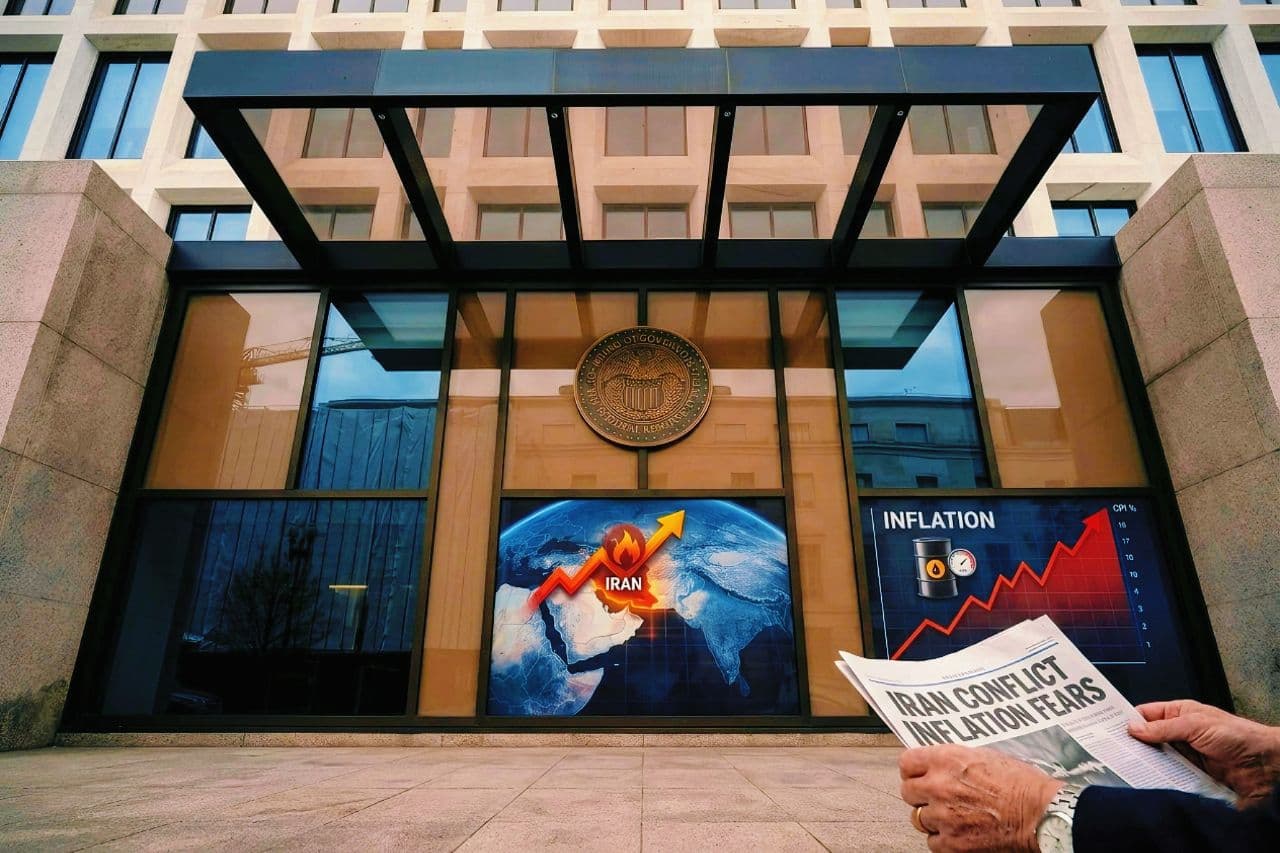
What Is Contractionary Policy? Definition, Purpose, and Example
Contractionary policy is a macroeconomic strategy used to slow down an overheating economy by reducing government spending or limiting the rate of monetary expansion.
What Is a Contractionary Policy?
Contractionary policy is a macroeconomic strategy used by central banks to slow down inflation and stabilize an overheating economy. It works by reducing government spending or limiting the rate of monetary expansion, thereby tightening the flow of money in circulation.
🇺🇸 Common Tools Used in the U.S.:
- Raising interest rates to discourage borrowing and spending
- Increasing bank reserve requirements to restrict lending capacity
- Selling government securities to absorb excess liquidity
These measures help curb speculative investment, cool down demand, and restore balance to the economy during periods of rapid growth or inflationary pressure.
- Contractionary policies are macroeconomic tools used to cool down an overheating economy and prevent distortions like high inflation or asset bubbles.
- These policies work by limiting monetary expansion, reducing the flow of money and credit in the financial system.
- Governments and central banks typically implement contractionary measures during periods of: Extreme inflation, Speculative investment surges, Capital market distortions triggered by prior expansionary policies
Key Takeaways






Understanding Contractionary Policies
Contractionary policies are designed to prevent distortions in capital markets, such as:
- High inflation from excessive money supply
- Unrealistic asset prices driven by speculation
- Crowding-out effects, where rising interest rates reduce private investment
While these policies may initially reduce nominal GDP the total value of goods and services at current market prices they often lead to:
- Sustainable economic growth
- Smoother business cycles
- Long-term financial stability
Historical Example: The Volcker Shock
In the early 1980s, Federal Reserve Chair Paul Volcker implemented aggressive contractionary measures to combat inflation:
- Interest rates peaked near 20% in 1981
- Inflation dropped from 14% in 1980 to 3.2% by 1983
This bold move restored confidence in U.S. monetary policy and remains a landmark case in central banking history.






Tools Used for Contractionary Policies
Monetary Policy Tools
To combat rising inflation and slow down economic overheating, governments and central banks deploy both monetary and fiscal contractionary strategies.
Interest Rate Hikes
Raising interest rates reduces borrowing and spending, curbing inflation and speculative investment.
Bank Reserve Requirements
Increasing the reserves banks must hold limits their ability to lend, tightening credit across the economy.
Open-Market Operations
Selling assets like U.S. Treasury notes absorbs excess liquidity. These sales lower asset prices and raise yields, discouraging excessive capital flows.
Contractionary policy is closely tied to monetary policy, especially in the hands of central banks like the U.S. Federal Reserve.
Fiscal Policy Tools in Contractionary Strategy
Contractionary fiscal policy is used by governments to reduce inflation, cool down overheated markets, and stabilize long-term growth. It works by limiting aggregate demand through two primary levers:
Increasing Taxes
- Reduces consumer purchasing power
- Shrinks the money supply in circulation
- May slow unsustainable production and deflate overvalued assets
Higher taxes on income, corporate profits, or consumption leave households and businesses with less disposable income, curbing spending and investment.
Reducing Government Spending
- Cuts funding for subsidies, welfare programs, and public works
- May reduce the number of government employees
- Lowers aggregate demand and helps control budget deficits
By pulling back on public expenditures, governments reduce economic stimulus, helping to tame inflation and rebalance fiscal priorities.






Real-World Example
During the COVID-19 pandemic, global production and consumption were severely disrupted. Governments responded with large-scale fiscal stimulus packages that boosted consumer demand. This surge in spending, while supporting economic recovery, led to supply chain bottlenecks and upward pressure on prices. By 2021, GDP and employment rebounded significantly, reflecting the strength of these interventions. However, as inflationary signals intensified in 2022, the U.S. Federal Reserve began raising the federal funds rate to restore price stability. The Fed continues to adjust rates to maintain a restrictive monetary stance aimed at returning inflation to its long-term target of 2 percent.






Contractionary Policy vs. Expansionary Policy
Contractionary policy is designed to slow economic activity by reducing the money supply and curbing inflation. It typically involves measures like interest rate hikes and spending cuts. In contrast, expansionary policy seeks to stimulate growth by increasing demand through monetary and fiscal tools. Central banks use expansionary strategies to counteract recessions and prevent prolonged economic downturns. While contractionary policy reins in excess, expansionary policy fuels recovery and momentum.






What Are the Effects of Contractionary Policy?
The implementation of contractionary policy often leads to tighter credit conditions due to higher interest rates. As borrowing becomes more expensive, consumer spending and business investment decline. This slowdown can result in increased unemployment and a reduction in overall GDP. Although these effects may seem harsh, they are intended to stabilize the economy and prevent runaway inflation.






What Is the Main Goal of Contractionary Policy?
The primary objective of contractionary policy is to moderate economic growth to a sustainable level, typically between 2 to 3 percent annually. When growth exceeds this range, inflationary pressures can build, leading to distortions in asset prices and purchasing power. By slowing the pace of expansion, policymakers aim to preserve long-term economic health and financial stability.






Why Is Contractionary Policy Unpopular?
Contractionary policy often involves politically sensitive decisions such as raising taxes and cutting government spending. These actions can reduce funding for social programs, public employment, and welfare initiatives making them unpopular with voters. Despite their economic necessity, such measures are frequently met with resistance due to their immediate impact on household budgets and public services.






The Bottom Line
Contractionary policy is a macroeconomic tool used to slow inflation by reducing government spending or limiting the rate of monetary expansion. In the United States, this typically involves raising interest rates, increasing bank reserve requirements, and selling government securities through open-market operations. While effective in curbing inflation, these measures can be politically and socially challenging. They often lead to higher tax burdens, increased unemployment, and reductions in public programs and subsidies making contractionary policy a delicate balancing act between economic stability and public sentiment.