Why Americans Are Still Spending Big—Even as Inflation and Job Worries Grow
- Holiday Sales Expected to Rise: Despite falling consumer confidence, economists project retail sales will increase by 3.5% to 4% at the end of 2025.
- Confidence Split by Income: Sentiment is declining among moderate-income households, but rising sharply for high earners, especially those making over $200,000 annually.
- Stock Market Gains Fuel Spending: Wealthier consumers are benefiting from strong equity performance, boosting their confidence and spending power.
- Emotional Spending as Comfort: Economic unease may be driving consumers to spend more as a way to seek normalcy and emotional relief—what some economists call “retail therapy”.
Key Takeaways
What This Means for the Economy: Unease Is Fueling Holiday Spending
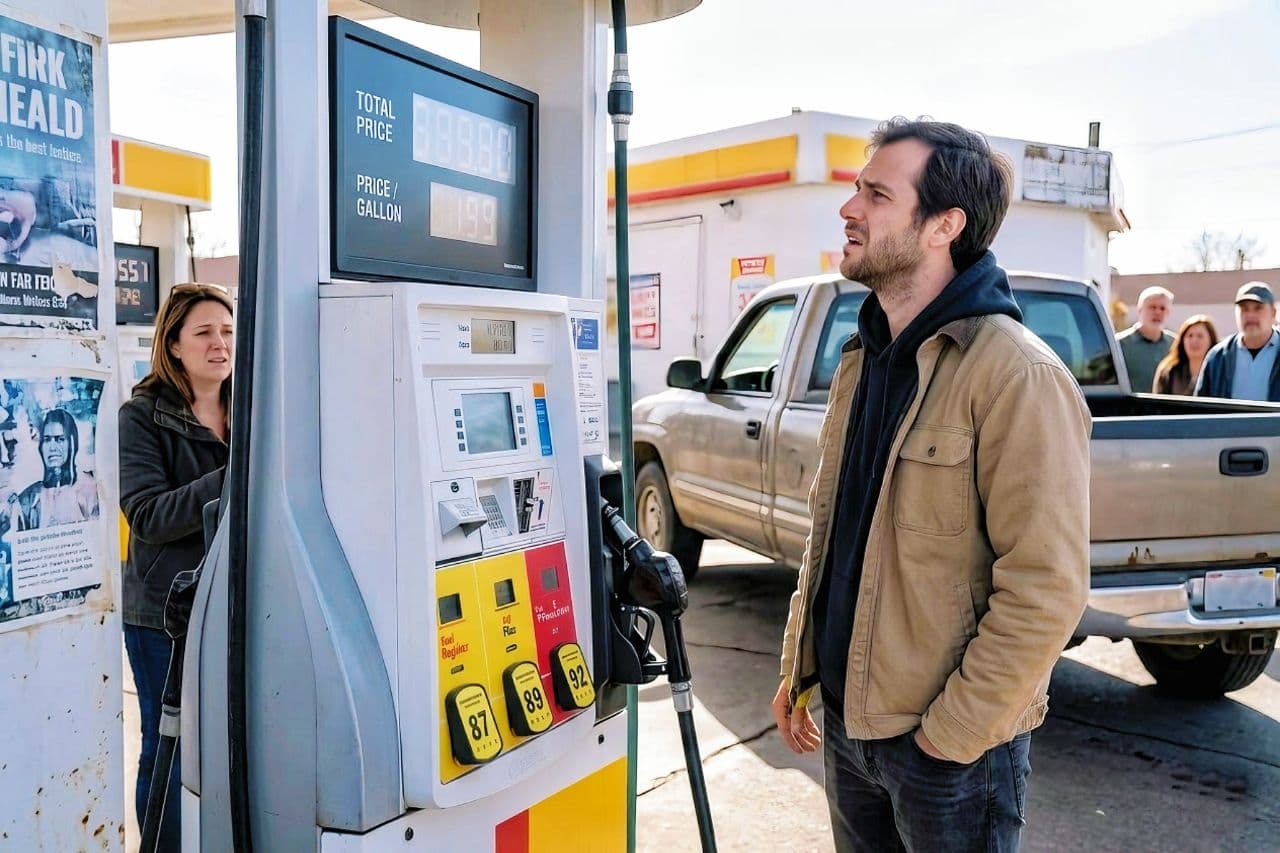
Despite rising inflation, a softening job market, and the drag of a government shutdown, economists say Americans are still poised to spend big this holiday season. According to Wells Fargo analysts Tim Quinlan, Shannon Grein, and Andrew Thompson, the very anxiety that’s unsettling consumers may be driving them to spend more not less.
- “The very uneasiness that is spooking consumers may itself be a factor that drives consumption for households in search of comfort and a sense of normalcy.”
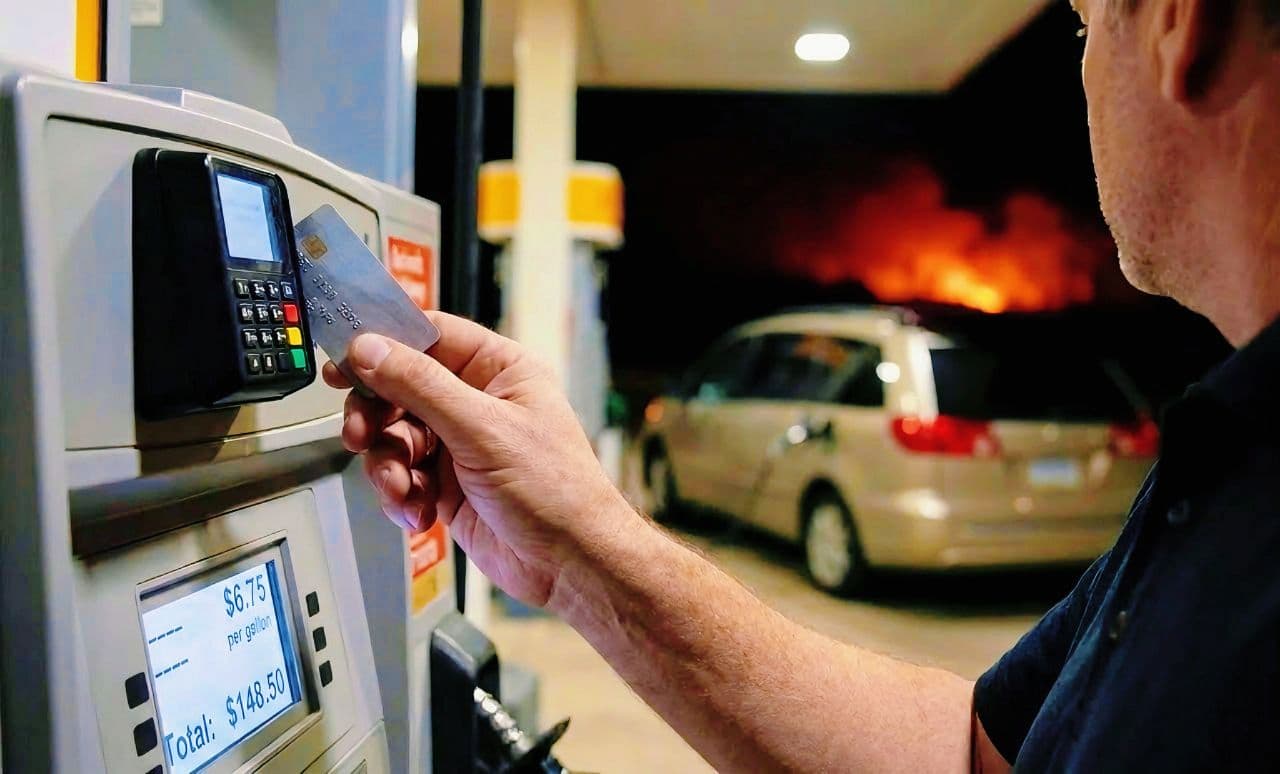
This phenomenon sometimes called “comfort spending” or “retail therapy” suggests that economic pessimism doesn’t always suppress demand. Instead, it can trigger a psychological response where consumers seek stability through familiar purchases, especially during emotionally charged seasons like the holidays.
Economic Implications
- Retail sales may remain strong even as confidence dips.
- Emotional drivers are playing a larger role in consumption patterns.
- Traditional economic indicators may understate spending resilience.
In short, consumer behavior is proving more complex than expected driven not just by income and inflation, but by the human need for comfort in uncertain times.






Consumer spending isn’t just about shopping it’s the engine behind roughly two-thirds of U.S. economic activity. Here’s why that matters:
- Supports Jobs: When people spend, businesses grow—and that fuels hiring across retail, logistics, manufacturing, and services.
- Drives Wages: Strong consumer demand pushes companies to compete for workers, often raising wages and benefits.
- Stabilizes Financial Markets: Retail sales and consumer confidence influence stock prices, corporate earnings, and investor sentiment.
- Creates Economic Momentum: Spending triggers production, investment, and innovation—keeping the economy in motion.
Any significant pullback whether due to inflation, job insecurity, or policy missteps can send shockwaves through this system. That’s why economists watch consumer behavior so closely, especially during high-stakes seasons like the holidays.






What This Means for the Economy: Sentiment Is Slipping, But Spending Isn’t
October’s consumer confidence survey revealed a continued decline in sentiment, largely attributed to President Donald Trump’s tariff policies and a weakening labor market. The Conference Board’s report showed growing anxiety about wages, job availability, and future business conditions factors that typically signal a slowdown in consumer spending.
Yet economists remain optimistic. Wells Fargo projects holiday retail sales will rise 3.5% to 4% from last year, defying the gloomy outlook. Their analysts caution against overreliance on sentiment data, noting:
- “Retail therapy may be just the cure for households feeling low this holiday season.”
Economic Implications
- Confidence is down, especially among lower- and middle-income groups.
- Spending is holding up, driven by high-income households and emotional coping behaviors.
- The disconnect between sentiment and spending complicates Fed policy decisions and economic forecasting.
In short, while consumers may feel pessimistic, they’re still opening their wallets keeping the economy afloat, at least for now.






Why Wealthy Consumers Are Driving Holiday Spending Despite Economic Anxiety
Even as inflation and job market concerns weigh on the broader economy, high-income households are powering a surge in consumer spending especially heading into the holiday season. Economist Grace Zwemmer of Oxford Economics explains that:
- “We expect retail sales will end the year on a high note, as wealthier, older households who have benefitted from stock market gains will drive holiday spending higher.”
Key Drivers Behind the Trend
- Stock Market Gains: Wealthier individuals have seen their portfolios grow, boosting confidence and spending capacity.
- Tax Cuts & Lower Rates: These policies amplify the “wealth effect,” encouraging consumption among high earners.
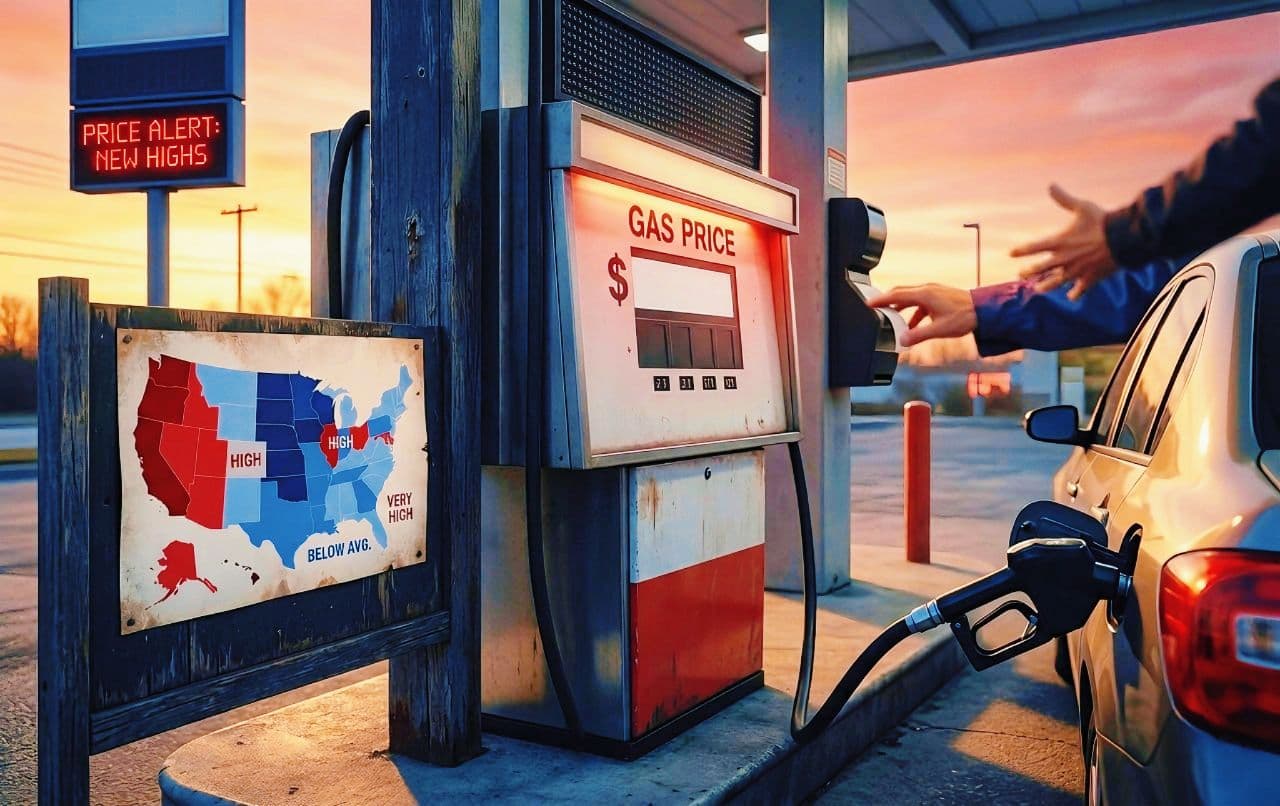
- Confidence Gap by Income: Recent surveys show rising consumer confidence among those earning $200,000+, while confidence is falling for those earning under $75,000.
Zwemmer adds that the link between sentiment and spending has weakened since the pandemic. High-income households who account for the majority of U.S. consumer spending have built up substantial net wealth and are less affected by inflation than lower-income groups.
Why It Matters
This dynamic means that even in a fragile economy, spending may remain strong driven by a narrow but powerful segment of consumers. It also complicates policy decisions, as traditional indicators like consumer confidence no longer predict spending behavior as reliably as they once did.