Global Oil Prices Surge Despite Massive Barrel Release

- The International Energy Agency (IEA) and its member countries agreed to distribute 400 million barrels of oil, a move that doubled the agency’s biggest-ever release in 2022. This unprecedented intervention was aimed at stabilizing global supply and easing market pressures. However, the release failed to keep prices down, underscoring the severity of the current energy crisis and the limits of coordinated policy actions.
- Brent crude prices climbed above $90 per barrel, while West Texas Intermediate hovered near $85. These levels reinforced investor concerns that even extraordinary measures may not be enough to counteract supply disruptions. Energy stocks rallied in response, with gains reflecting the sector’s ability to benefit from higher oil prices despite broader market volatility.
- The surge in oil prices comes against the backdrop of escalating geopolitical tensions, particularly the Iran conflict and the near-total shutdown of the Strait of Hormuz. With about 20% of global oil supply flowing through this critical passage, disruptions have amplified fears of prolonged shortages. The IEA’s intervention highlights the scale of the crisis but also the limits of policy tools in stabilizing markets.
- For investors, the takeaway is clear: while coordinated releases can provide temporary relief, structural risks tied to geopolitics and supply chains continue to drive volatility. Energy stocks may benefit in the short term, but the broader market remains vulnerable to inflationary pressures and economic slowdown triggered by sustained high oil prices.
Key Takeaways
Oil Prices Surge Despite IEA’s Record Barrel Release
The International Energy Agency (IEA) and its member countries announced the release of 400 million barrels of crude oil, doubling the size of its 2022 intervention following Russia’s invasion of Ukraine. Despite the scale of this move, the oil market shrugged off the effort. Brent crude climbed about 5% to $92 per barrel, while West Texas Intermediate rose to $86. Energy stocks, including Exxon and Chevron, rallied on the price surge, even as U.S. market indexes slipped lower.
The muted impact of the release underscores the severity of current supply disruptions. Escalating tensions in Iran have trapped vessels in the Persian Gulf, with attacks reported in the Strait of Hormuz. This chokepoint, through which roughly 20% of global oil flows, remains highly vulnerable, amplifying fears of prolonged shortages. Market experts warn that without a truce between Iran and Israel, oil prices may remain elevated for longer than anticipated.
Higher-for-longer crude prices are now weighing on investor sentiment. Economists caution that sustained energy shocks could slow global growth and worsen inflation, which is already above the Federal Reserve’s target. The central bank may find its options limited if inflation persists while labor market conditions weaken. This dynamic raises the stakes for policymakers and investors alike, as energy volatility collides with broader economic fragility.
While the IEA’s coordinated release demonstrates global resolve, it has not been enough to contain prices. Energy stocks may benefit in the short term, but the broader market remains exposed to geopolitical instability and inflationary pressures. For investors, resilience will depend on navigating risks that extend far beyond the oil market itself.
Why High Oil Prices Hit You Hard
Long stretches of elevated crude oil prices ripple directly into everyday life. Gasoline costs climb, making commuting and transportation more expensive. Air travel fares rise as airlines pass higher fuel costs onto passengers. At the same time, when these energy shocks combine with weaker asset prices and higher interest rates, the risk of recession grows. That means job security, wages, and household budgets can all come under pressure.
The current surge in Brent crude above $90 and West Texas Intermediate near $85 reflects not just supply disruptions but also geopolitical instability. With vessels trapped in the Persian Gulf and attacks in the Strait of Hormuz, global oil flows are constrained, driving prices higher. For consumers, this translates into sustained inflation across goods and services, as energy costs feed into nearly every sector of the economy.
Economists warn that if oil prices remain high for long periods, the Federal Reserve may be limited in its ability to support the labor market. Inflation above target levels ties the central bank’s hands, leaving households exposed to both higher living costs and weaker economic growth. This dynamic makes energy volatility one of the most immediate risks to everyday financial stability.
Oil prices are not just a market headline they directly affect your wallet. From gas stations to grocery stores, the impact of sustained energy shocks is felt across daily expenses. When combined with broader market weakness, the result can be a squeeze on household finances and a heightened risk of recession.
Oil Prices Stay Elevated as Prediction Markets Signal Prolonged Conflict
Prediction markets are pointing to expectations that the Iran U.S./Israel war will continue for at least six more weeks, keeping crude prices high. On Polymarket, bettors placed the highest probability about 78% on the war ending by the close of June. They also gave a 31% chance that West Texas crude would top $95 by the end of this week, reflecting strong sentiment that energy volatility will persist.
Some analysts are drawing historic parallels to the Ukraine Russia war, suggesting that peak oil prices may already have passed. Adam Turnquist, Chief Technical Strategist at LPL Financial, noted that Brent crude has fallen back below the 2023 and 2024 highs of $97.69 and $92.18. Despite strong momentum, the inability to hold those levels signals waning buyer enthusiasm.
Turnquist argued that this technical weakness could be a positive sign, pointing toward a potentially swift resolution with Iran and easing pressure on oil markets. If crude prices stabilize, broader equity markets may also benefit from reduced volatility. Still, geopolitical risks remain elevated, and investors are cautious about betting too heavily on a quick resolution.
While prediction markets anticipate prolonged conflict and elevated crude prices, technical indicators suggest momentum may be fading. For investors, this creates a complex landscape where geopolitical risks and market signals collide, leaving energy and equity markets highly sensitive to developments in the Middle East.
Market experts are warning that investors should brace for pain across asset classes as geopolitical uncertainty intensifies. Vanguard senior U.S. economist Josh Hirt noted that both stock and bond prices can come under pressure simultaneously, even when the underlying economy remains resilient. This dynamic reflects how global instability particularly the Iran conflict and energy shocks can ripple across financial markets, undermining investor confidence.
Geopolitical Risks Pressure Stocks and Bonds
The recent surge in oil prices, driven by supply disruptions in the Strait of Hormuz, has already weighed on equities. While energy stocks have benefited, broader indexes have slipped, highlighting the uneven impact of geopolitical risk. Bond markets, traditionally seen as safe havens, are also vulnerable when inflationary pressures rise alongside energy costs.
For investors, the challenge lies in navigating a landscape where traditional diversification offers limited protection. When both stocks and bonds face downward pressure, portfolios become more exposed to volatility. This environment raises the stakes for risk management strategies, particularly as central banks may be constrained in their ability to respond.
Geopolitical uncertainty is reshaping market dynamics. Even resilient economies can see asset prices weaken when global risks escalate. Investors must prepare for heightened volatility across asset classes, as energy shocks and geopolitical instability continue to test market resilience.
The Bottom Line
The International Energy Agency’s decision to release 400 million barrels of crude its largest intervention ever was meant to calm markets. Instead, Brent crude surged past $92 and West Texas Intermediate climbed near $86, driving energy stocks higher while broader indexes slipped. The muted impact underscores how geopolitical instability, particularly the Iran conflict and disruptions in the Strait of Hormuz, outweigh even historic supply measures.
For investors, the reality is stark: oil prices remain elevated despite coordinated global action. This raises the risk of prolonged inflation, tighter Federal Reserve policy, and slower economic growth. Energy companies may benefit in the short term, but households and businesses face higher costs across transportation, travel, and goods.
Technology or policy interventions cannot fully shield markets from geopolitical shocks. Oil remains the most sensitive barometer of global risk, and its surge highlights the fragility of both equity and bond markets under sustained pressure.
Related Articles

Iran War March 2026: Rising Costs for Americans
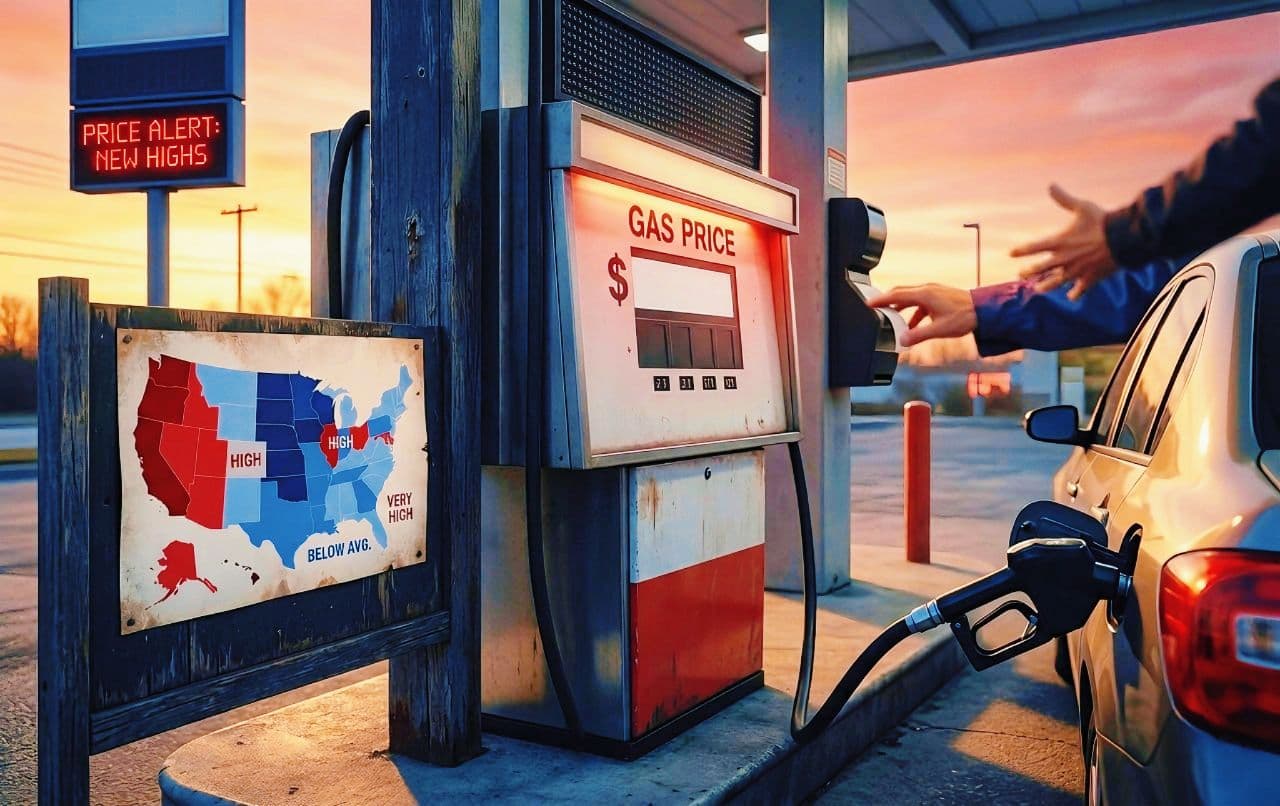
Gas Prices March 2026: Highest Since 2022 — State-by-State Pump Costs

March 2026 Market Outlook: Jobs Report, Retail Sales, Trade Balance, and Earnings from Nike & Conagra

Bitcoin Price Forecast 2026: Crypto Market Bottom and Recovery Trends

Iran War’s Impact on Your Finances

Gold Price Sell-Off: Investment Market Trends

Fed Policy Meeting Begins – Inflation and Rate Outlook
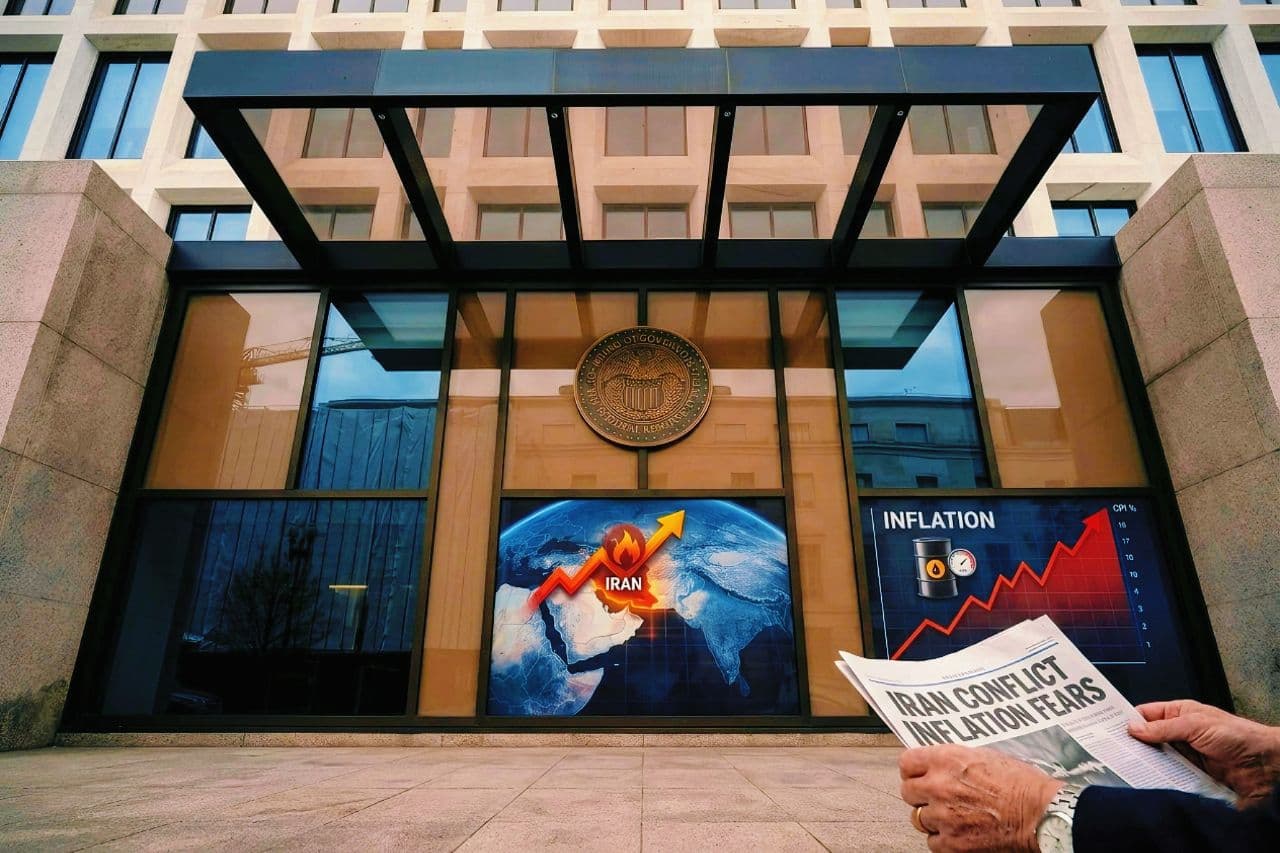
Iran War Fuels Inflation Fears – Fed Rate Hike Looms
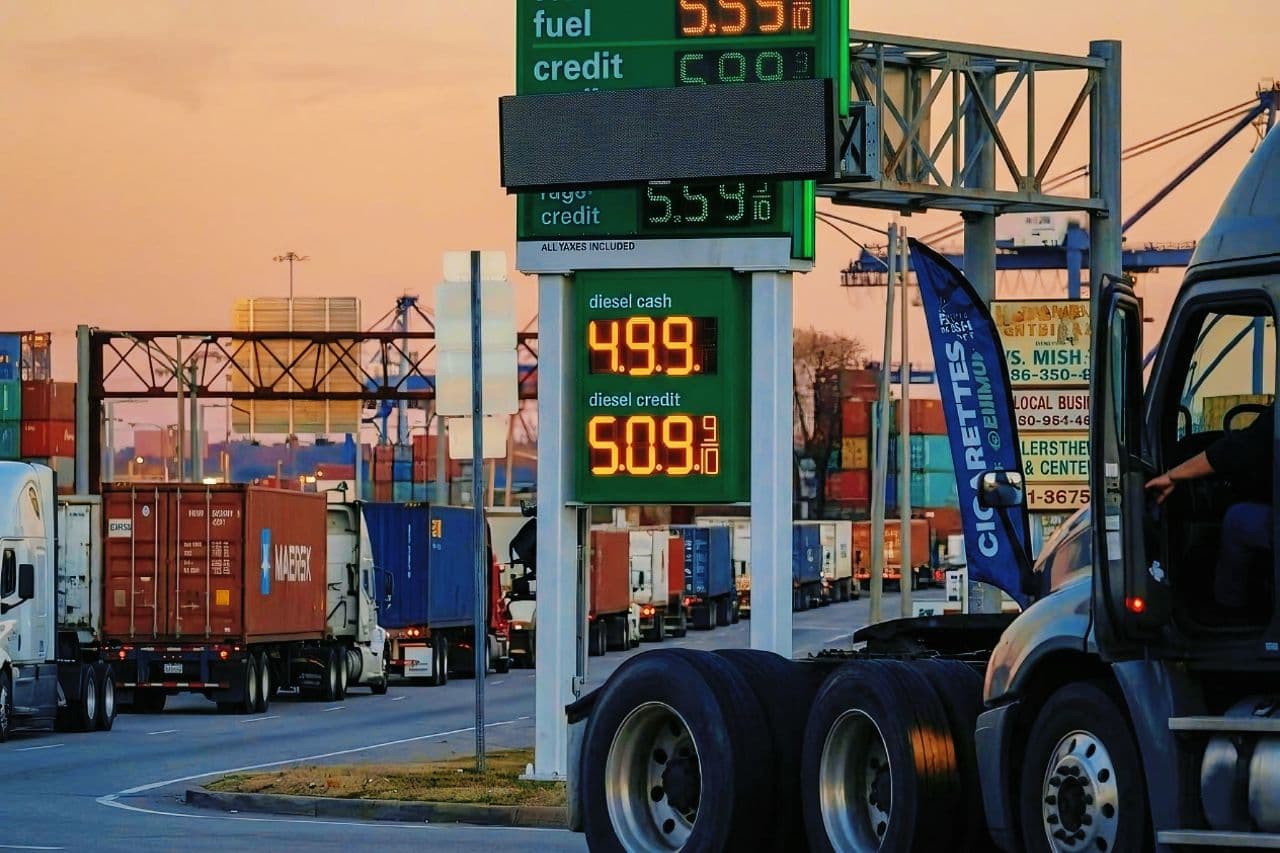
Diesel Price Surge Threatens U.S. Economy – Inflation Risks Ahead

Iran War Timeline and Economic Impact – What Investors Need to Know

Wall Street Insider Warns of 2008-Style Market Crash – Investor Alert