Inflation Report Preview: What Investors Should Watch

- The Consumer Price Index (CPI) likely rose 2.4% year-over-year in February, matching January’s pace. While this suggests inflation was steady before the Iran war, the report may carry less weight for markets than usual since it covers a period before energy prices surged.
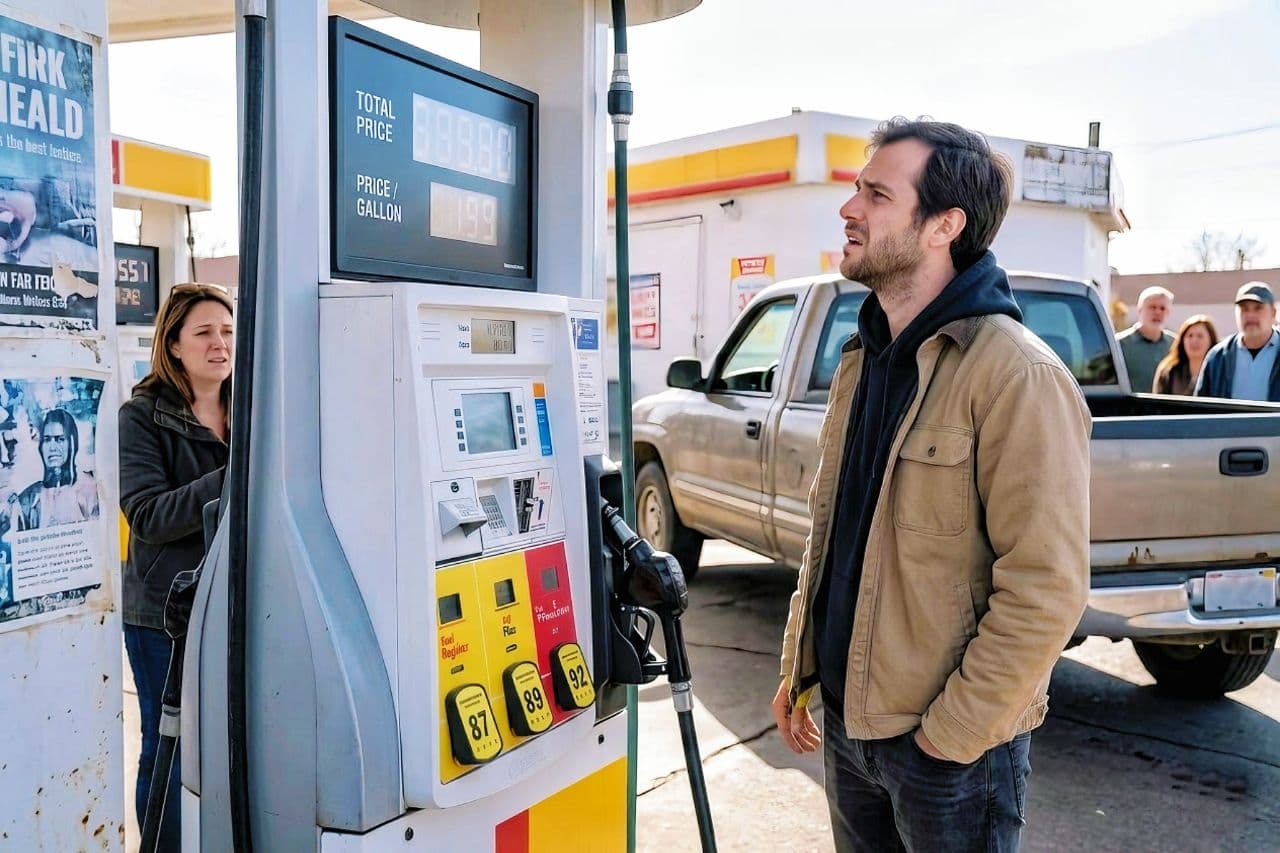
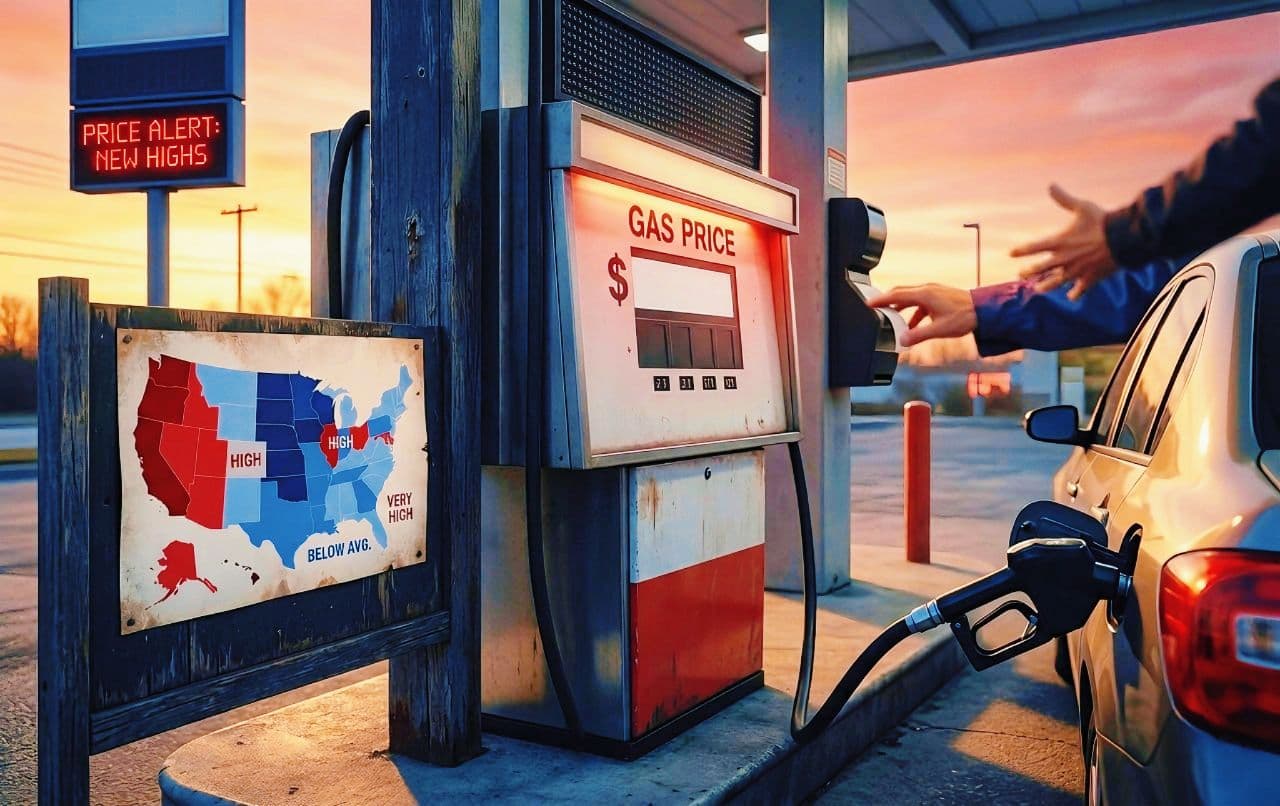
- Economists caution that the war-driven spike in oil and gas prices could overshadow the report’s findings. Brent Crude briefly shot up to $117, and gasoline prices climbed to $3.56 per gallon, meaning March’s data will likely reflect stronger inflationary pressures.
- For investors, Wednesday’s release is still important as a baseline. It shows where inflation stood before geopolitical shocks distorted energy markets. This helps analysts gauge how much of the coming inflation is war-related versus underlying economic trends.
- The Federal Reserve will be watching closely. If inflation remains sticky even before energy costs surged, policymakers may lean toward keeping rates higher for longer. That could weigh on equities, housing, and consumer spending in the months ahead.
Key Takeaways
Inflation Data vs. Market Reality
February’s inflation report is expected to show 2.4% annual CPI growth, steady from January, with core prices up 2.5%. Under normal circumstances, this would reassure investors and the Federal Reserve that inflation isn’t worsening.
But the timing matters. The data predates the Iran war and the surge in oil and gas prices that began in early March. That means the report may be less relevant for markets, which are already bracing for higher inflation in the months ahead.
For the Fed, the key takeaway is that inflation was stable before the energy shock. For investors, the focus shifts to how rising fuel costs will feed into March and April data. The report offers a baseline, but the real story lies in how geopolitical tensions reshape inflation going forward.
What This Means for the Economy
A flat inflation rate of 2.4%, though still above the Fed’s 2% target, suggested in February that inflation wasn’t a major threat before the Iran war. However, the conflict has shifted the outlook dramatically. By disrupting tanker traffic through the Strait of Hormuz, it pushed oil and gas prices higher, raising inflation risks across the U.S. economy.
The danger isn’t just in the numbers it’s in the psychology. Elevated fuel costs erode household confidence, reduce spending, and tighten financial conditions. That combination can turn what feels like a slowdown into a self-reinforcing downturn, with weaker sentiment amplifying recession risks.
For policymakers, the February report offers a baseline: inflation was steady before the energy shock. For markets, the real test will come in March and beyond, when higher oil and gas prices feed into consumer costs and potentially force the Fed to keep rates higher for longer.
Inflation Data vs. War-Driven Risks
February’s CPI report will likely confirm that inflation was steady at 2.4% year-over-year, with core prices at 2.5%. Under normal conditions, this would reassure markets and the Fed that inflation wasn’t worsening.
But the Iran war has changed the picture. The surge in oil and gas prices since early March means the report is less relevant for forward-looking policy decisions. Economists at BMO and Bank of America stress that the real risk lies ahead, as elevated energy costs pose upside risks to inflation.
For the Federal Reserve, the challenge is balancing rate policy. Cutting rates could ease borrowing costs and support jobs, but policymakers remain cautious about stoking inflation. With the Fed holding rates steady in January and expected to do so again this month, the war-driven energy shock will weigh heavily on their next moves.
Inflation Dynamics: Tariffs vs. Housing Costs
Economists note that two opposing forces are shaping consumer prices:
- Tariffs are pushing up costs for goods like cars and clothing, adding upward pressure to inflation.
- Housing costs, particularly rents, have been decelerating for years. Since housing makes up a large share of the CPI, this trend is helping offset tariff-driven increases.
Bill Adams, chief economist at Comerica Bank, expects the February CPI report to run cool, with tame housing costs balancing out tariff effects. Grocery price inflation was also likely subdued during the month.
This backdrop means February’s inflation data may look stable, but the Iran war’s surge in energy prices since early March will likely dominate the outlook going forward. For the Fed and markets, the report offers a snapshot of inflation before the energy shock, but the real test will be how oil and gas costs feed into future readings.
The Bottom Line
February’s CPI report will likely show inflation holding steady at 2.4% year-over-year, with core prices at 2.5%. Under normal conditions, this would reassure markets and the Fed that inflation isn’t worsening.
But the Iran war has changed the landscape. Tariffs are pushing up goods prices, while cooling rent growth is offsetting some of that pressure. Yet the surge in oil and gas prices since early March means the report is less relevant for forward-looking policy.
For the Fed, the key challenge is balancing rate cuts to support jobs against the risk of fueling inflation. With rates held steady in January and expected to remain unchanged this month, policymakers are watching energy-driven inflation risks closely.
- Takeaway: February’s data provides a baseline, but the real story lies ahead. Elevated energy costs could push inflation higher, erode consumer confidence, and increase recession risks if oil prices climb back toward the $130 danger zone.
Related Articles
Iran War March 2026: Rising Costs for Americans
Gas Prices March 2026: Highest Since 2022 — State-by-State Pump Costs

March 2026 Market Outlook: Jobs Report, Retail Sales, Trade Balance, and Earnings from Nike & Conagra

Bitcoin Price Forecast 2026: Crypto Market Bottom and Recovery Trends
Iran War’s Impact on Your Finances
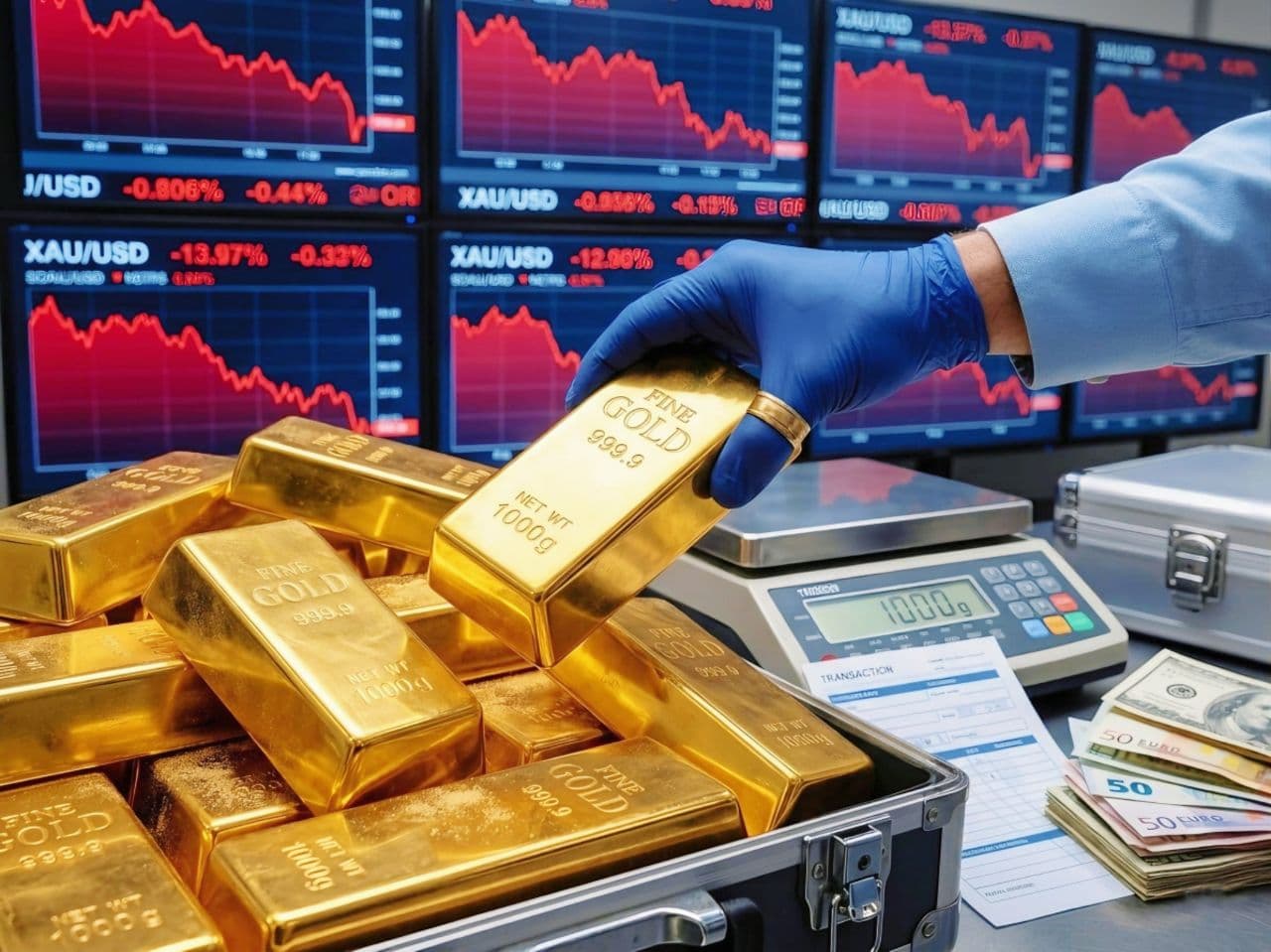
Gold Price Sell-Off: Investment Market Trends
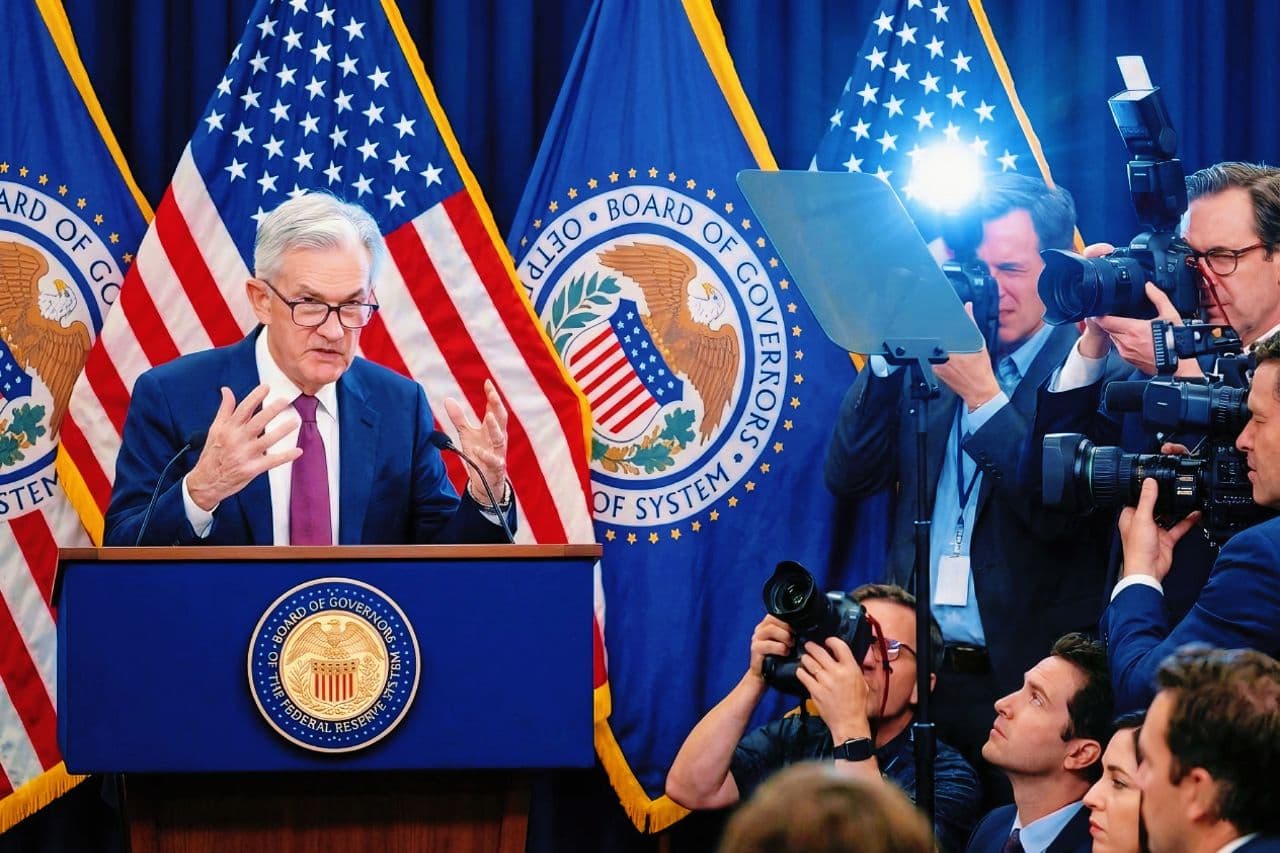
Fed Policy Meeting Begins – Inflation and Rate Outlook
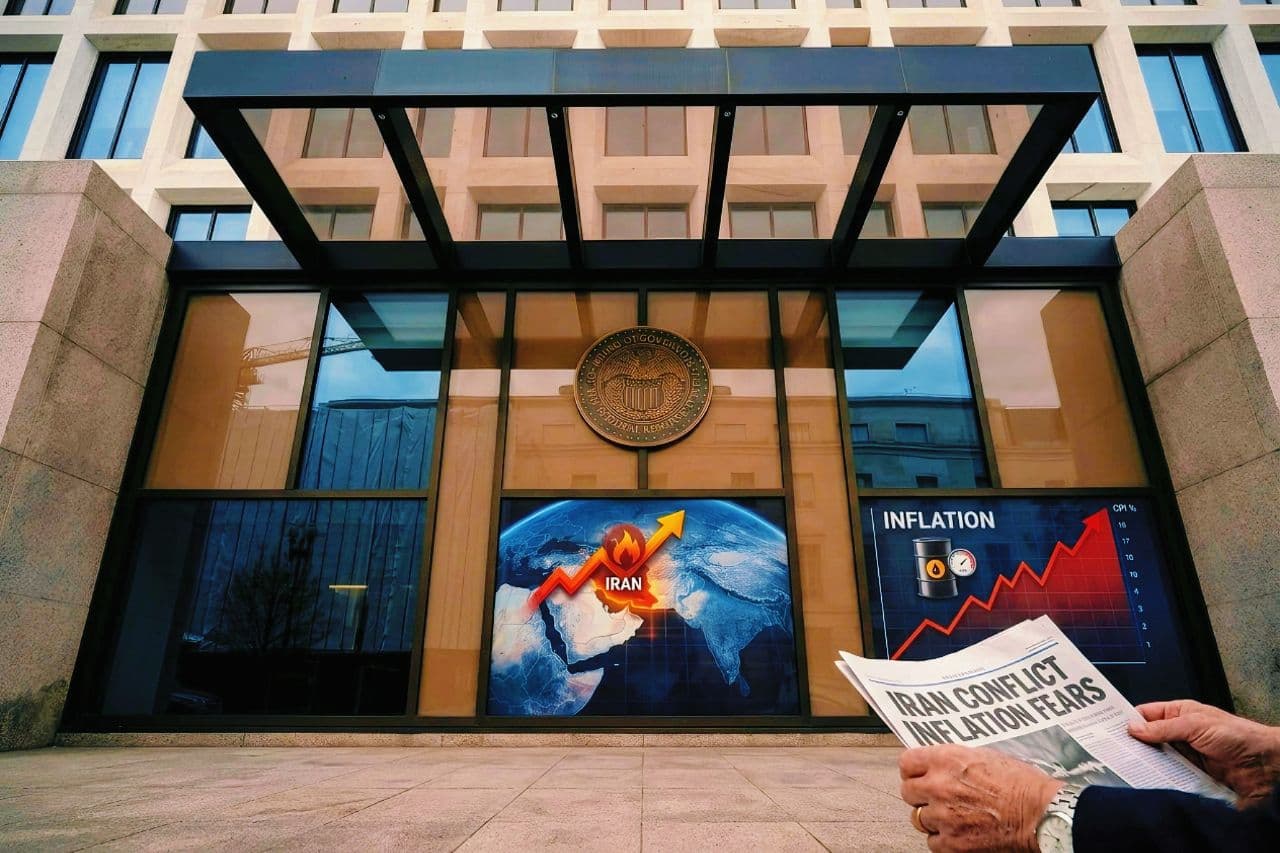
Iran War Fuels Inflation Fears – Fed Rate Hike Looms
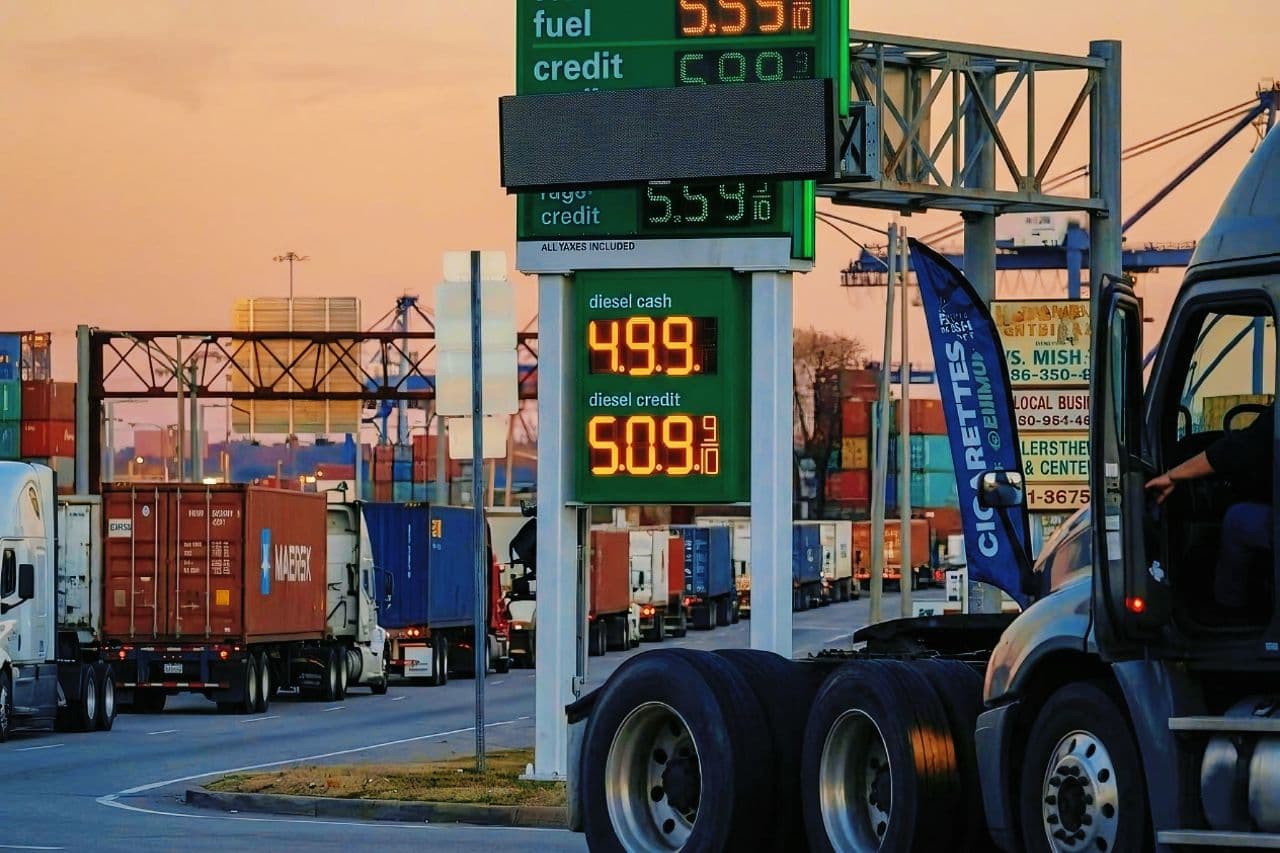
Diesel Price Surge Threatens U.S. Economy – Inflation Risks Ahead

Iran War Timeline and Economic Impact – What Investors Need to Know
Wall Street Insider Warns of 2008-Style Market Crash – Investor Alert