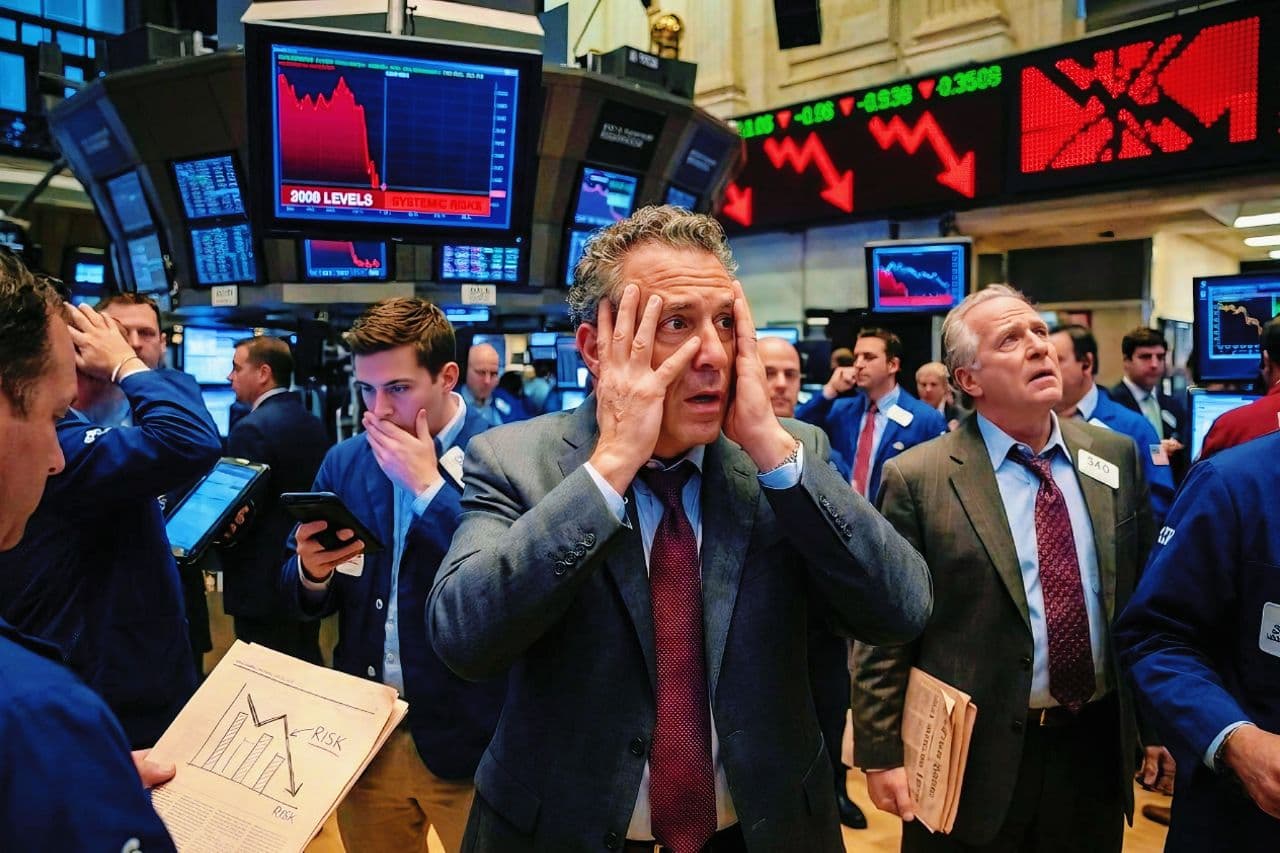
Master Risk Reversal Options Strategy for Smarter Trading

- A risk reversal involves buying one option and selling another to reduce net premium.
- It is commonly used to hedge downside risk or to gain upside exposure cheaply.
- The strategy’s success depends on volatility expectations and the trader’s view of market direction.
- “Ripping through” highlights the aggressive nature of using this tool to exploit sharp moves.
- Requires careful monitoring, as losses can accumulate if the market moves against the short option.
Key Takeaways
When using a risk reversal, align the strike prices with your market outlook. For example, if you expect a strong rally, choose a call strike closer to the money and a put strike further out to minimize risk. Always evaluate implied volatility before entering, since selling options in high‑volatility environments can reduce cost but increase exposure if volatility persists.
A risk reversal is an advanced options trading strategy that combines buying a call and selling a put (or vice versa) to hedge exposure or speculate on directional moves in the market. Traders often use risk reversals to protect against downside risk while maintaining upside potential, making them a popular tool in volatile markets. In 2025, this strategy continues to be a staple for investors seeking hedging opportunities and derivatives‑based portfolio diversification, offering flexibility across equities, commodities, and currencies.
Risk reversals are not beginner strategies. They demand a solid grasp of options mechanics, margin requirements, and risk management. Traders must be prepared for scenarios where the short option creates significant liability. The strategy can be powerful when timed correctly, but without discipline and monitoring, it can magnify losses instead of cushioning them.
Related Articles

Iran War March 2026: Rising Costs for Americans

Gas Prices March 2026: Highest Since 2022 — State-by-State Pump Costs

March 2026 Market Outlook: Jobs Report, Retail Sales, Trade Balance, and Earnings from Nike & Conagra

Bitcoin Price Forecast 2026: Crypto Market Bottom and Recovery Trends

Iran War’s Impact on Your Finances

Gold Price Sell-Off: Investment Market Trends

Fed Policy Meeting Begins – Inflation and Rate Outlook
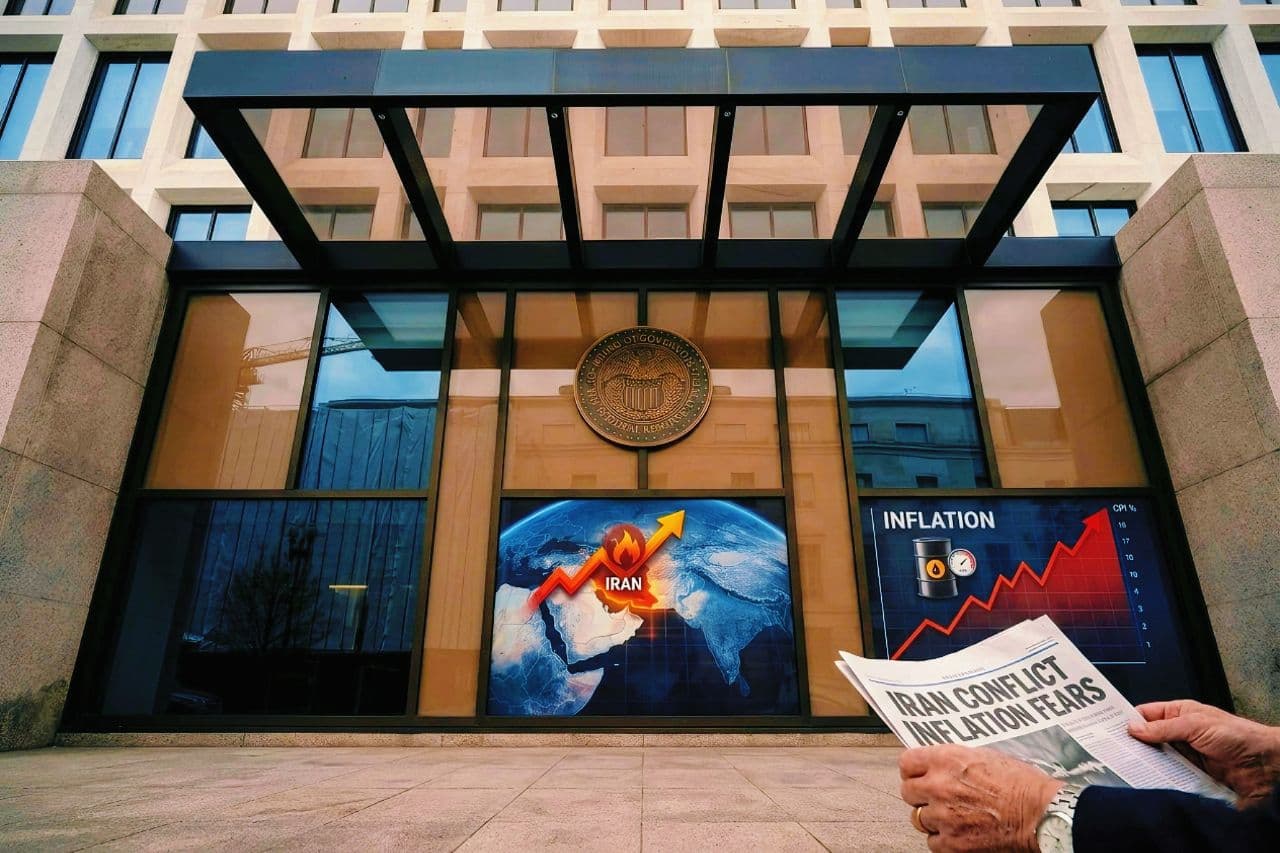
Iran War Fuels Inflation Fears – Fed Rate Hike Looms
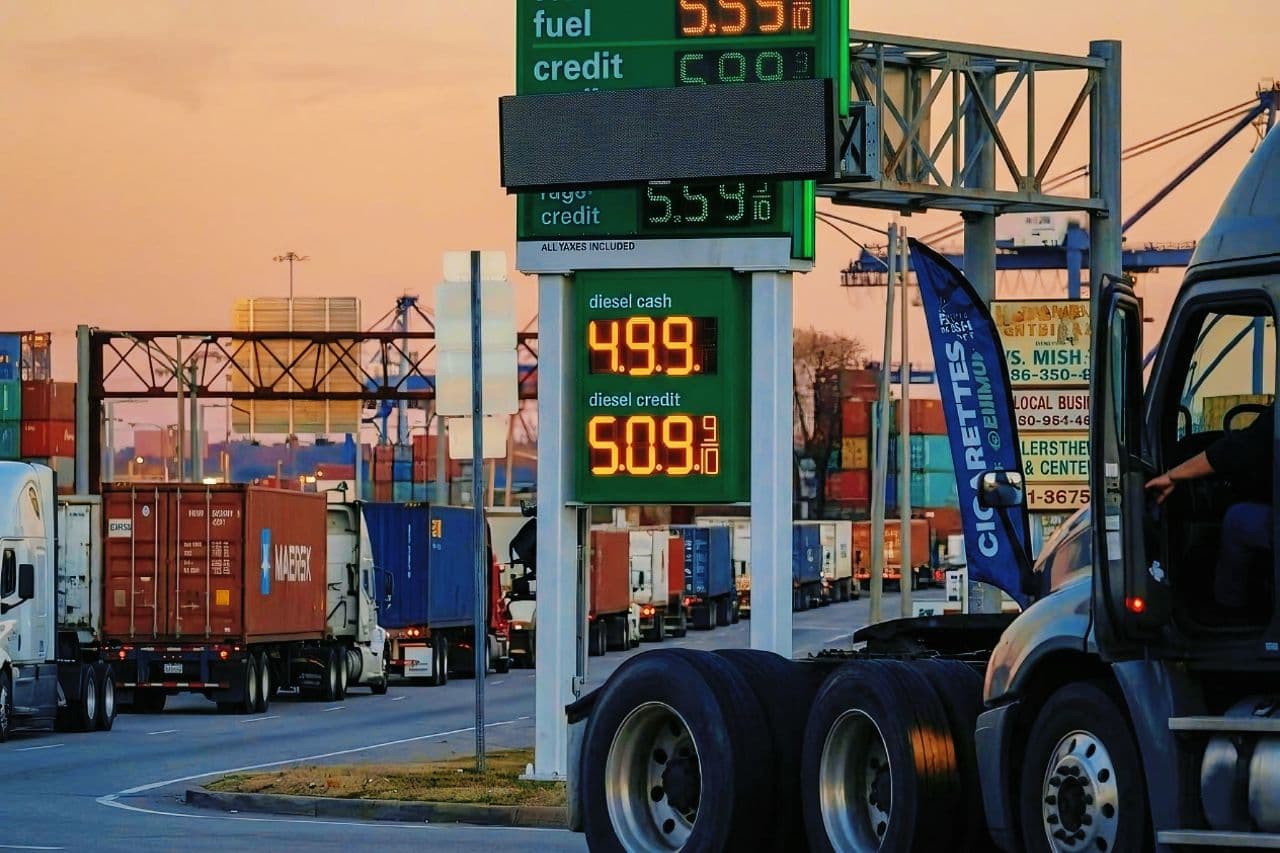
Diesel Price Surge Threatens U.S. Economy – Inflation Risks Ahead

Iran War Timeline and Economic Impact – What Investors Need to Know

Nvidia Projects $1 Trillion Chip Sales – AI Stocks Poised for Growth