Fed Chair Powell Resists Trump Pressure, Defends Central Bank Independence
- The Federal Reserve was served subpoenas Friday in a criminal investigation involving Chair Jerome Powell, tied to his June testimony about renovations at the Fed’s headquarters.
- Analysts view the probe as part of escalating efforts by President Trump to remove Powell from his role at the independent central bank. Powell has denounced the investigation as a pretext, warning it poses a direct threat to the Fed’s independence, which operates outside White House control.
Key Takeaways
Powell Accuses Trump of Intimidation, Defends Fed Independence Amid DOJ Probe
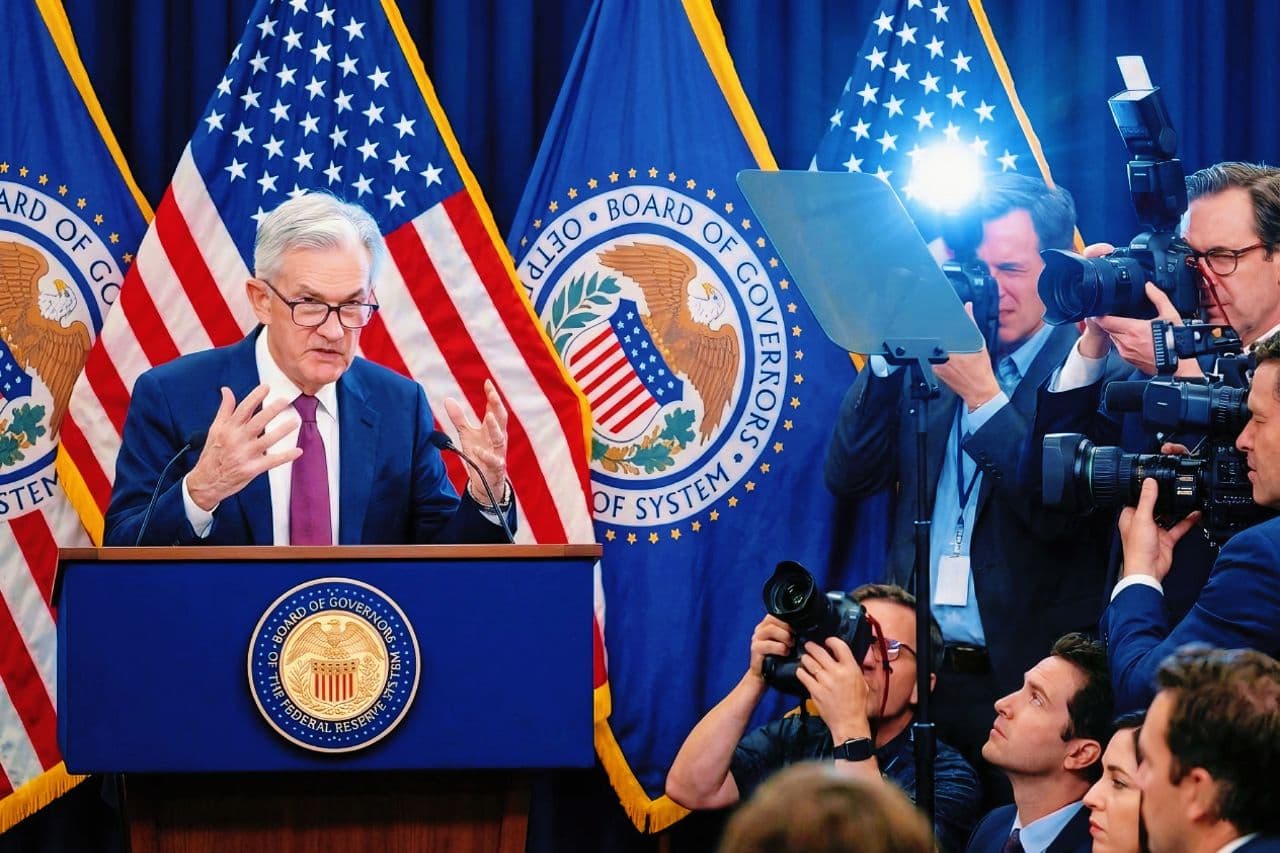
In a rare public rebuke, Federal Reserve Chair Jerome Powell accused President Trump’s administration of waging an intimidation campaign against the central bank. His remarks, released in a Fed video Sunday, followed the Department of Justice’s criminal investigation and Grand Jury subpoenas tied to Powell’s June Senate testimony about renovations at the Fed’s headquarters.
The probe marks the latest escalation in Trump’s efforts to assert control over the Fed, which Congress established as independent from the White House. Trump has repeatedly pressed for steep interest‑rate cuts, while Powell and the Fed’s policy committee have opted for gradual reductions to support employment, wary that deeper cuts could fuel inflation.


Powell Investigation Raises Risks for Fed Independence and Inflation Control
What This Means For The Economy
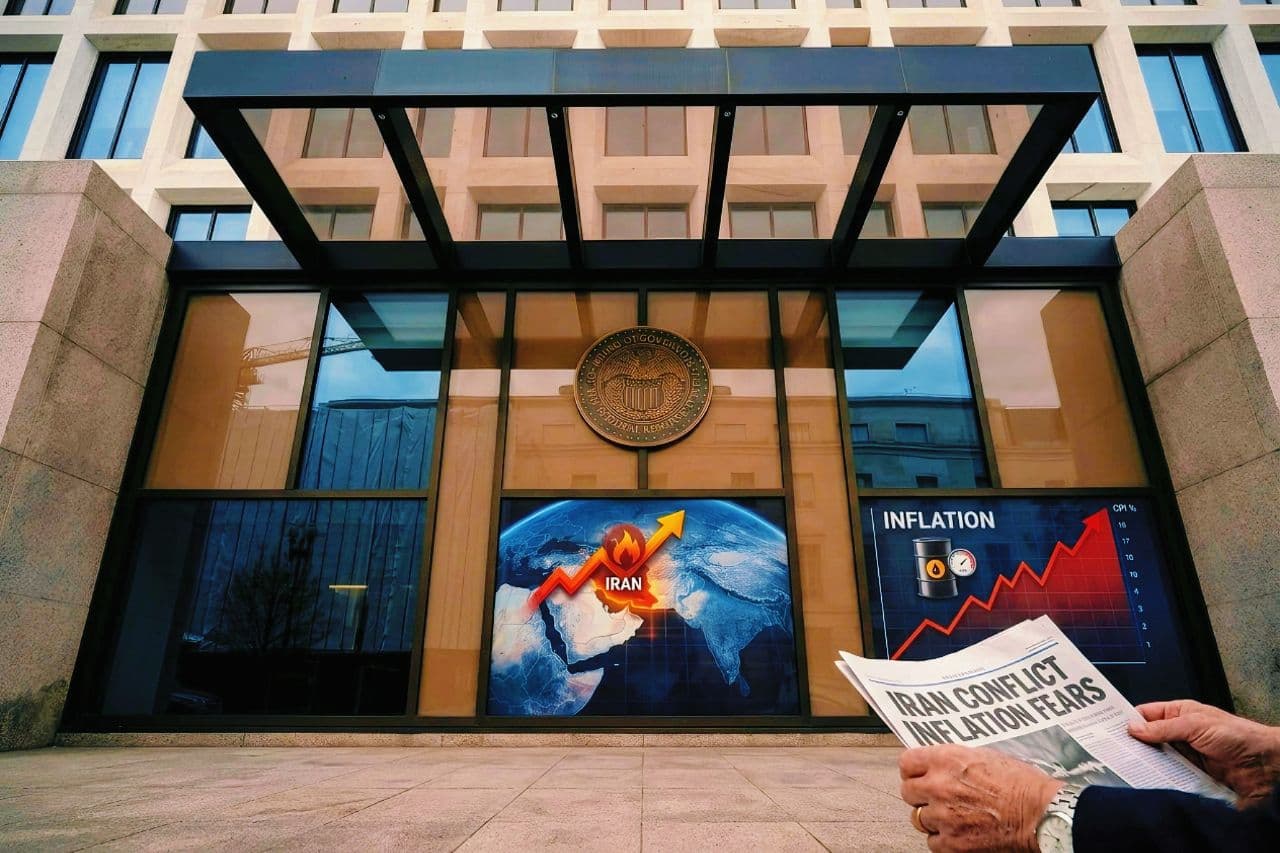
The criminal investigation into Federal Reserve Chair Jerome Powell could undermine the central bank’s independence an attribute economists widely consider essential for managing inflation effectively. If political pressure erodes the Fed’s autonomy, its ability to set interest rates based on economic data rather than political demands may weaken.
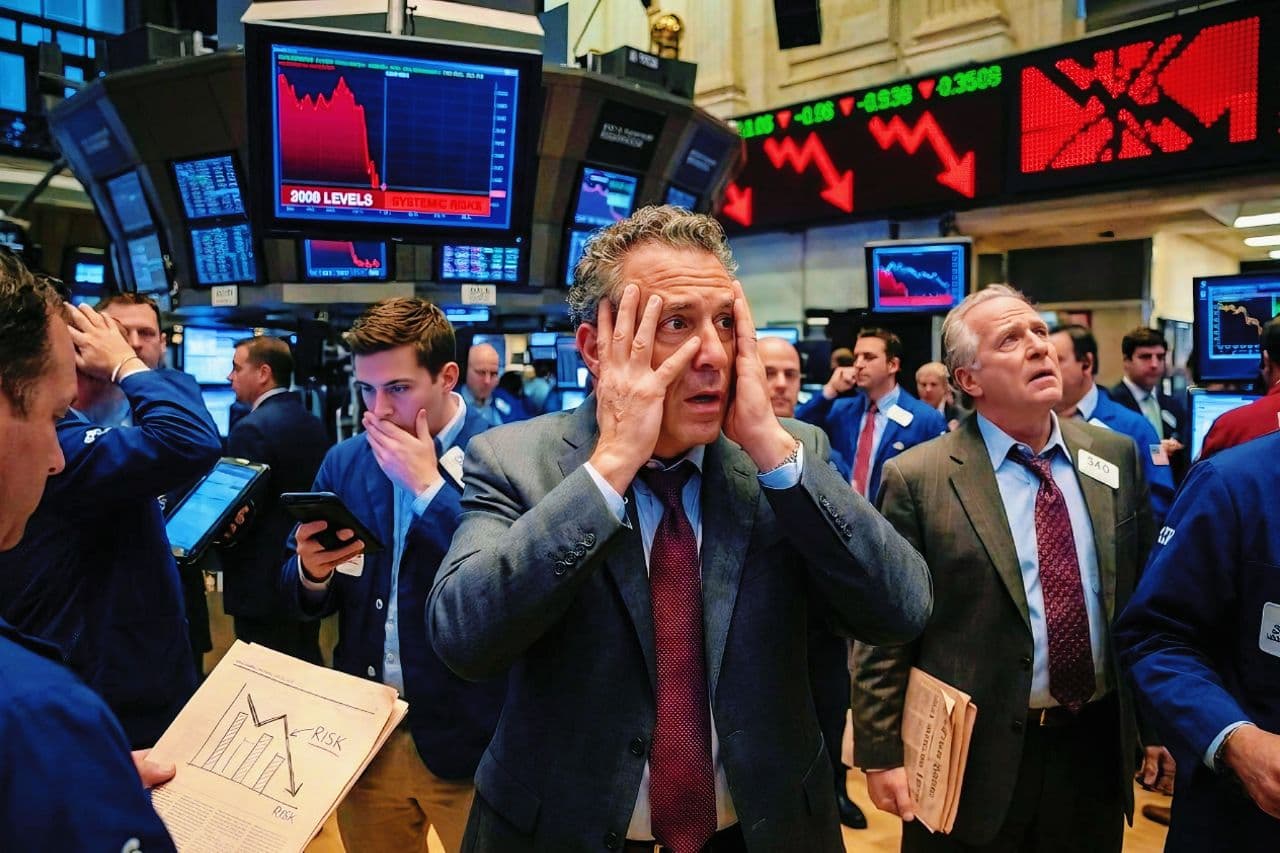
Such a shift could heighten risks of inflation spiraling if rates are kept artificially low, or conversely, slow growth if policy decisions become politically driven. Market confidence in the Fed’s impartiality is a cornerstone of U.S. economic stability, meaning any perceived loss of independence could ripple across financial markets, borrowing costs, and consumer sentiment.


Powell Rejects Trump’s Accusations as ‘Pretexts,’ Vows to Defend Fed Independence
Powell Calls Accusations ‘Pretexts’
After months of defending the Federal Reserve’s independence without directly addressing Trump’s attacks, Jerome Powell broke his silence Sunday. In a video statement, Powell pledged to remain in his role despite the criminal investigation and dismissed the accusations against him as “pretexts.”
He emphasized that the charges were not about his June testimony or Fed building renovations, but rather about the central bank’s commitment to setting interest rates based on economic data and public interest rather than presidential preferences.
President Trump, in an interview with NBC, denied knowledge of the subpoena, further fueling tensions between the White House and the Fed.


Former Fed Chairs Condemn Powell Probe, Warn of Threats to Central Bank Independence
In a rare show of unity, all three living former Federal Reserve chairs Janet Yellen, Ben Bernanke, and Alan Greenspan signed a statement denouncing the criminal investigation into current Chair Jerome Powell. They stressed that the Fed’s independence, and public confidence in that independence, are vital to achieving Congress’s mandates of stable prices, maximum employment, and moderate long‑term interest rates.
The statement warned that prosecutorial attacks on the Fed mirror practices seen in emerging markets with weak institutions, often leading to inflation and economic instability. “It has no place in the United States whose greatest strength is the rule of law,” the former chairs emphasized.
The condemnation was also backed by several former Treasury secretaries from both parties and prominent economists, underscoring bipartisan concern that the probe could undermine the credibility and stability of U.S. monetary policy.


Powell Faces Escalating Trump Pressure as Fed Warns of Inflation and Job Market Risks
President Trump’s campaign to pressure the Federal Reserve has escalated beyond public insults and threats to fire Chair Jerome Powell. It now includes investigations and attempts to remove Fed governor Lisa Cook over unproven allegations.
Powell emphasized Sunday that the issue is not about personal accusations but about whether the Fed can continue setting interest rates based on evidence and economic conditions or whether monetary policy will be dictated by political intimidation.
Treasury Secretary Scott Bessent recently urged the Fed to slash rates by 1.5 percentage points. Since then, the Fed has cut by 0.75 points, half the requested amount, and is expected to pause further cuts at its late‑January meeting to gauge economic impact.
Fed officials remain concerned that Trump’s broader economic policies, particularly tariffs, have slowed job growth and fueled inflation. These pressures threaten the Fed’s dual mandate from Congress: maintaining low inflation while supporting maximum employment.


Trump’s Fed Fight Sparks GOP Backlash as Powell’s Term Nears End
The administration’s intensified attack on Fed Chair Jerome Powell has triggered pushback within Trump’s own party. Senator Thom Thillis of North Carolina, a member of the banking committee, announced he would oppose Trump’s Fed nominees until the legal matter surrounding Powell is resolved.
Thillis argued that the administration’s actions leave “no doubt” about efforts to undermine the Federal Reserve’s independence, warning that the credibility of the Department of Justice is now at stake.
Powell, originally appointed by Trump and re‑appointed by President Biden in 2022, has consistently resisted Trump’s calls for steep interest‑rate cuts, favoring gradual adjustments to balance inflation and employment. His term as chair expires in May, when a Trump‑nominated successor will take over pending Senate approval. Powell could remain on the Fed’s board of governors, though he has not indicated whether he will do so.


The Bottom Line
The escalating clash between Jerome Powell and the Trump administration highlights a fundamental risk: the erosion of Federal Reserve independence. Criminal investigations, subpoenas, and public pressure campaigns threaten to politicize monetary policy, which economists warn could undermine inflation control, weaken market confidence, and destabilize long‑term economic growth.
For households, this fight matters because Fed credibility directly impacts interest rates, borrowing costs, and inflation. For investors, it signals heightened volatility as markets weigh whether policy decisions will be driven by data or by politics.