Federal Reserve Policy Committee: Costs of Dissent for Credibility and Influence
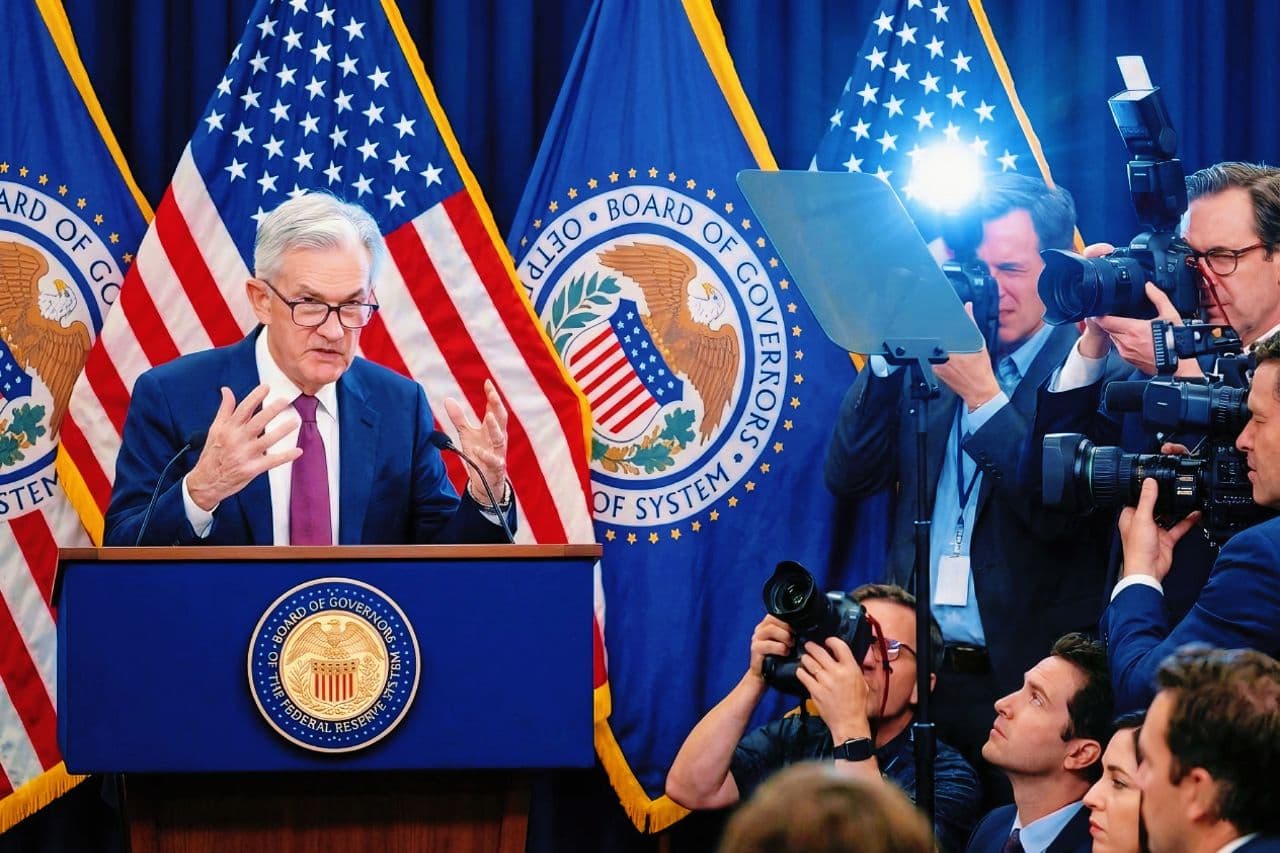
- On the Federal Reserve’s policy committee, members are free to cast votes as they choose, but dissenting from the majority can carry consequences. Researchers found that FOMC members who break from consensus are less likely to influence outcomes in future meetings.
- Recently, the committee has seen an unusually high number of dissenting votes, reflecting sharp divisions over whether inflation or unemployment poses the greater risk to the U.S. economy. This split underscores the challenges the Fed faces in balancing monetary policy priorities.
Key Takeaways
Federal Reserve Dissent Study: Why Voting Against the Majority Weakens Future Influence
Members of the Federal Reserve’s policy committee who vote against the majority may face consequences in future meetings. A recent National Bureau of Economic Research paper, authored by researchers from UC Berkeley, the Fed, NBER, and Hong Kong University of Science and Technology, found that dissenters are less likely to sway outcomes later on.
At the last three meetings, a majority of Fed officials voted to lower interest rates by a quarter-point. However, dissenting votes were cast by members who preferred keeping rates steady or pushing for steeper cuts, highlighting divisions within the committee.






What This Means For The Economy
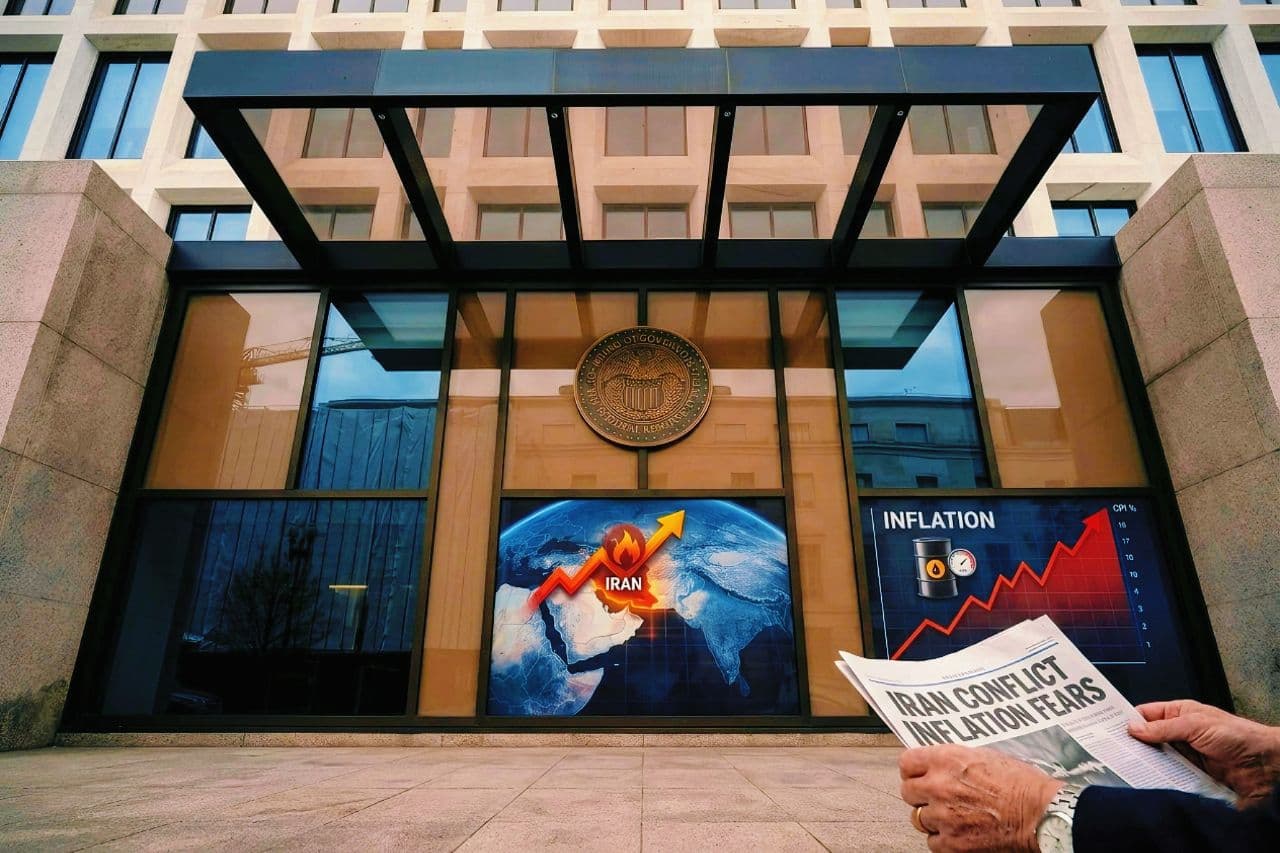
The incentives for Federal Open Market Committee members to align with the majority highlight the weight of consensus in shaping monetary policy. Yet, the recent surge in dissenting votes underscores the Fed’s ongoing dilemma: balancing persistently high inflation against signs of a weakening job market. This divide reflects the central bank’s challenge in navigating economic stability while addressing competing risks that directly impact consumers, businesses, and financial markets.






Federal Reserve Dissent Impact: Why Breaking Consensus Reduces Future Policy Influence
Researchers examining Federal Reserve transcripts and voting records found that the chair plays a pivotal role in steering majority opinion and maintaining unanimity. When members dissent, their preferred interest rate policy becomes about one-third less likely to be adopted in subsequent meetings, suggesting a penalty for breaking consensus.
Another interpretation offered is that FOMC members only dissent when they recognize their viewpoint will not prevail in future discussions. Regardless of the reason, the findings highlight that dissent not only fails to shift committee decisions but also diminishes a member’s long-term influence within the Fed’s policymaking process.
Federal Reserve Outlook: Inflation vs. Job Market Slowdown Shapes Rate Decision
Consensus within the Federal Open Market Committee has weakened, with members voicing sharply different views of the economy. Some see persistent inflation as the primary threat, while others warn that slowing hiring could signal rising unemployment ahead.
The federal funds rate central to borrowing costs across mortgages, auto loans, and business credit remains the Fed’s main lever for balancing its dual mandate: keeping inflation low while supporting employment. On Wednesday, the FOMC is widely expected to hold rates steady, allowing time to assess the impact of recent policy moves on both price stability and labor market health.
The Bottom Line
The Federal Reserve faces a credibility test as dissenting votes rise within the FOMC. While consensus has historically been the norm, recent divisions reflect the central bank’s struggle to balance stubborn inflation against a slowing job market. Research shows dissenters lose influence in future meetings, reinforcing the power of majority alignment. For the economy, this means policy decisions may lean conservative holding rates steady to gauge outcomes while risks of both higher unemployment and persistent inflation remain front and center.