Iran Oil Shock Threatens Fed’s Rate Cut Strategy
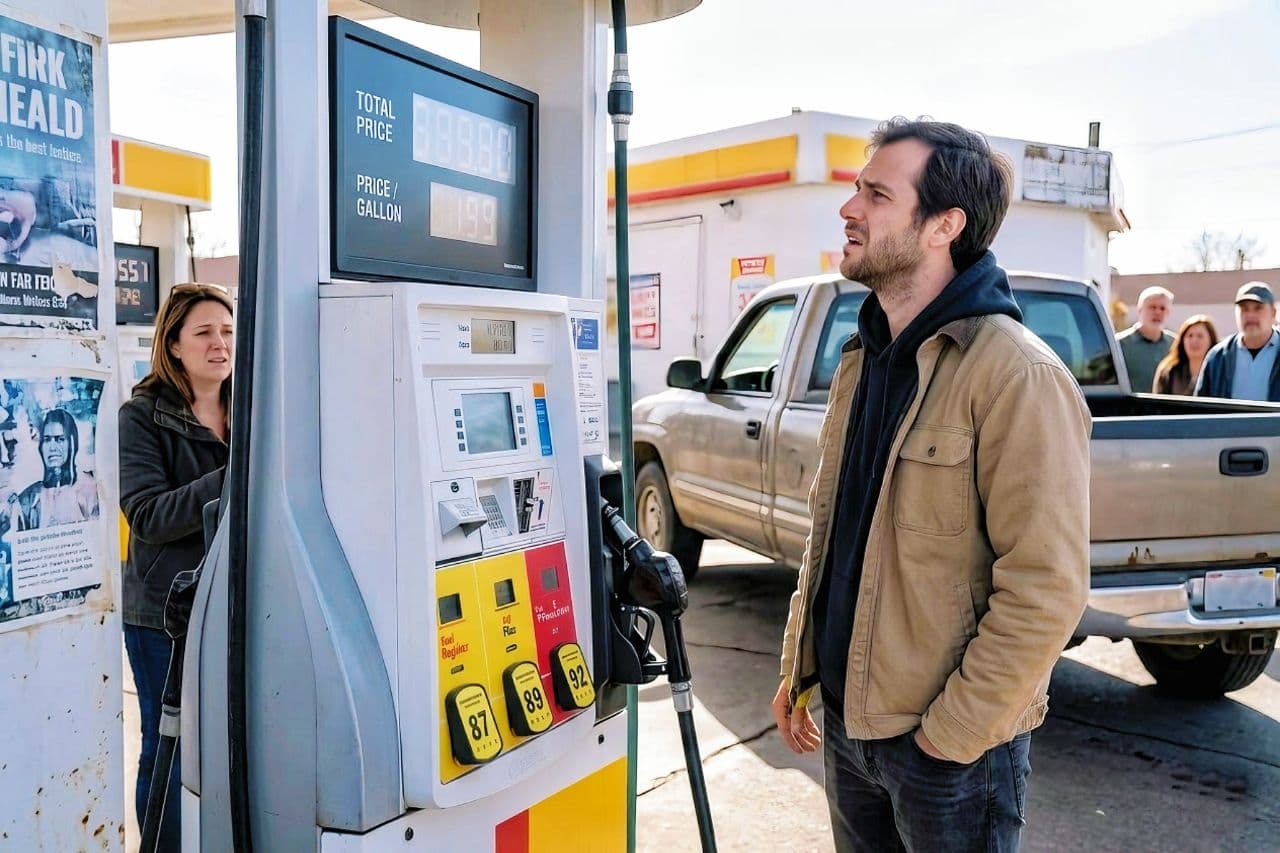
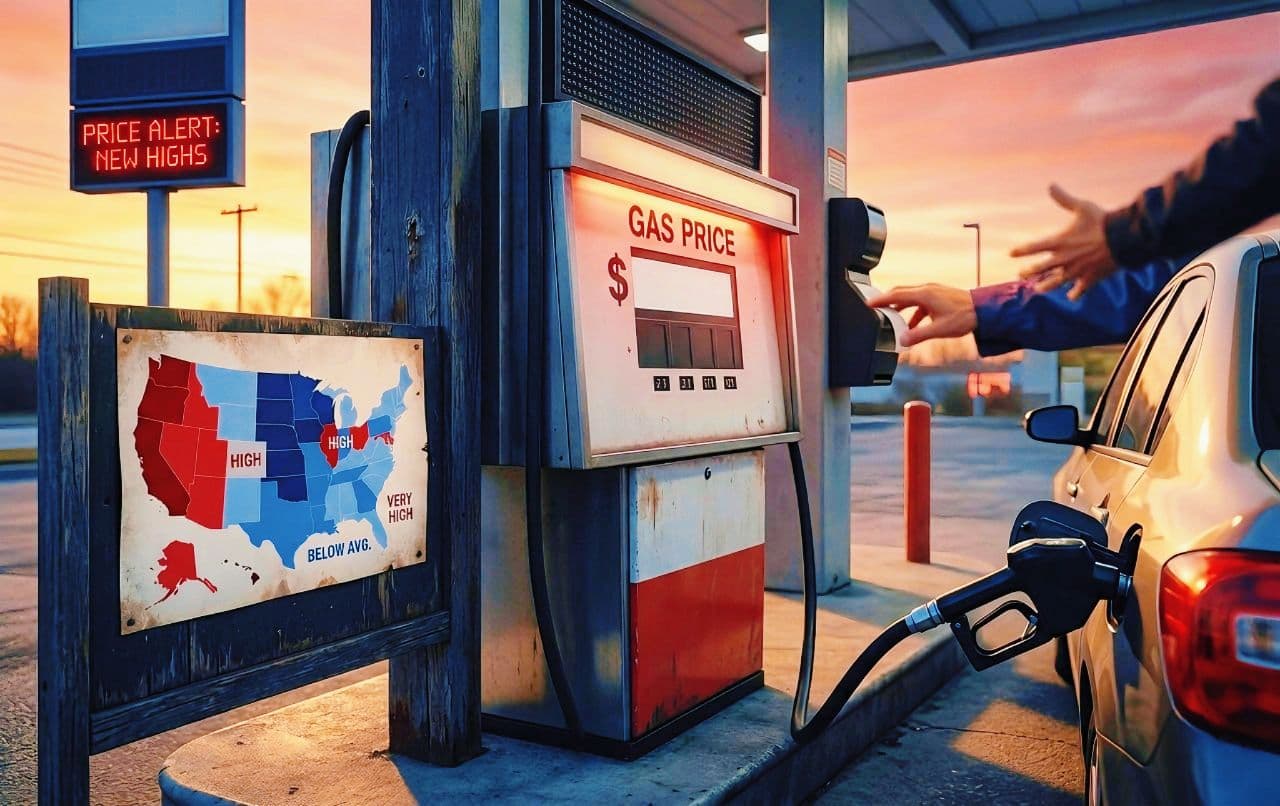
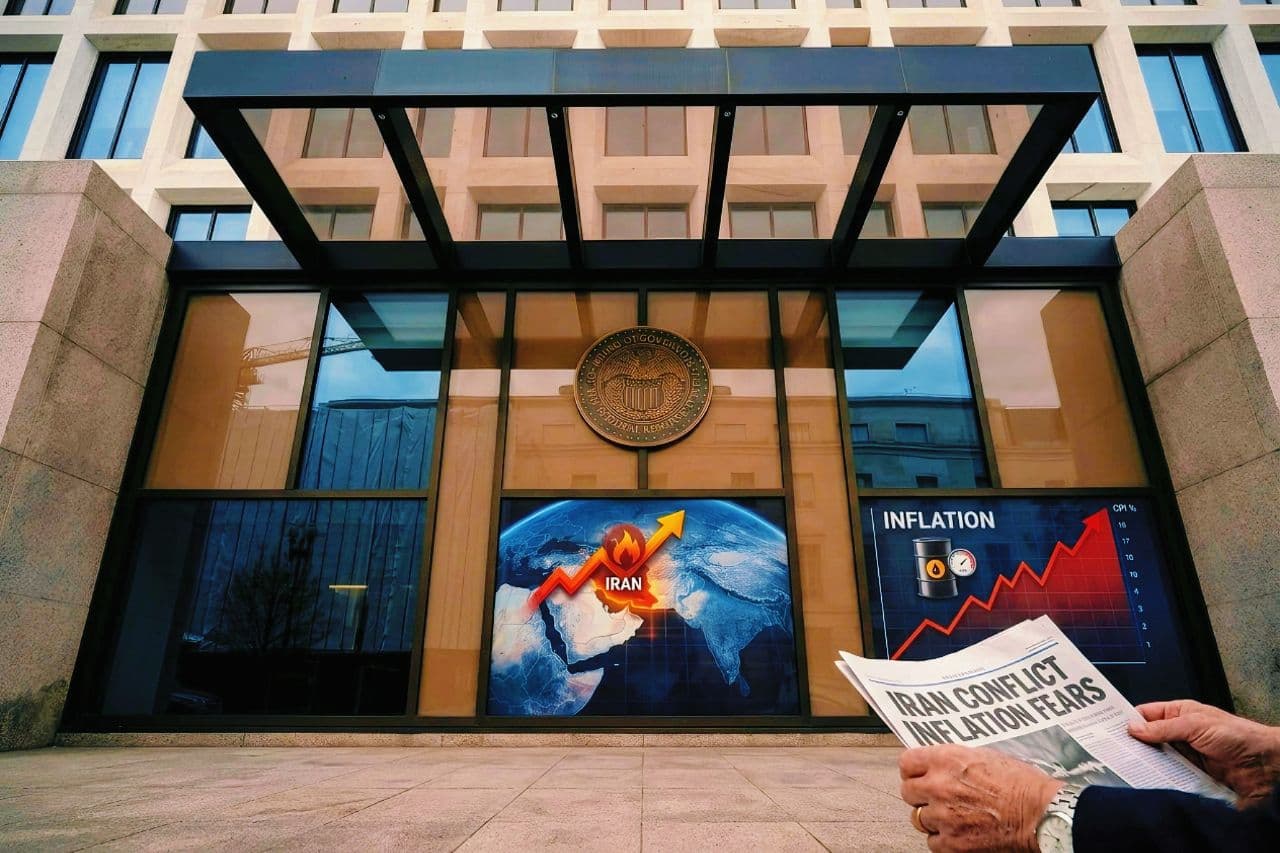
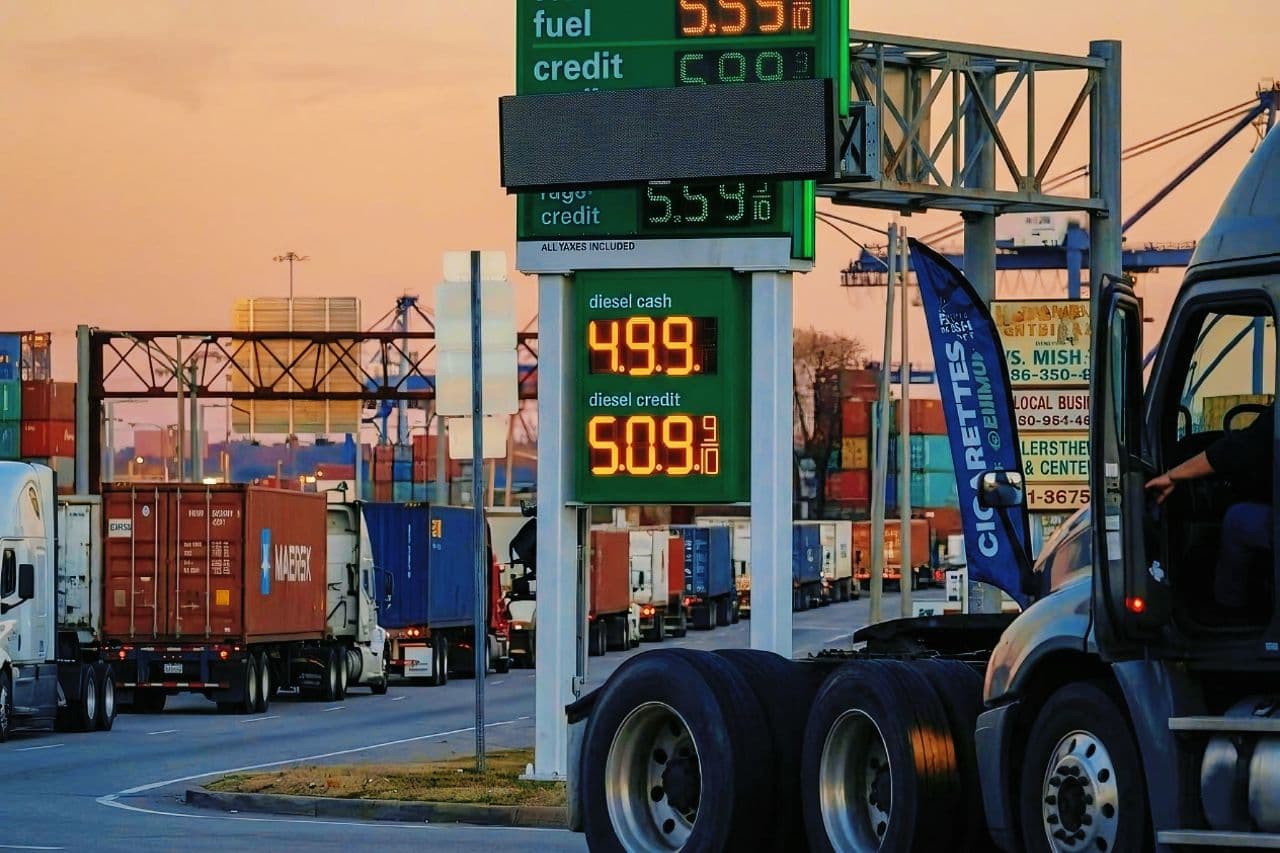
- Fuel Shock & Inflation Pressure : The Iran conflict has driven oil and jet fuel prices sharply higher, complicating the Federal Reserve’s plans to cut interest rates. Rising energy costs feed directly into inflation, making it harder for the Fed to justify easing policy.
- Crack Spread Impact: Aviation fuel prices have risen faster than crude oil itself due to widening crack spreads (refiners’ margins). This intensifies cost pressures across industries, not just airlines.
- Airline Costs & Consumer Prices: Airlines face billions in extra fuel expenses, forcing fare hikes. These increases ripple into consumer inflation data, which the Fed closely monitors.
- Fed’s Policy Challenge: Even if oil prices retreat, strong demand and limited airline capacity mean fares won’t drop quickly. That keeps inflation sticky, reducing the Fed’s flexibility to cut rates.
- Demand vs. Supply Dynamics: The only scenario where fares would fall fast is a collapse in demand, but that would signal broader economic weakness—another challenge for policymakers.
Key Takeaways
Iran Oil Shock Clouds Fed’s Interest Rate Cut Outlook
The Iran conflict has rattled global energy markets, pushing oil prices higher and making investors more cautious about the Federal Reserve’s next move. While futures data from the CME Group’s FedWatch tool still shows a 76% probability of rate cuts this year, expectations have shifted. Instead of a June cut, traders now anticipate September, with some preparing for the possibility that rates remain unchanged throughout 2026. Analysts warn that the Fed may adopt a hawkish tone until it sees whether the oil shock is temporary or persistent.
Inflation remains above the Fed’s 2% target, with February’s consumer price index rising 2.4% year-over-year. Although this is far below the 9% peak in June 2022, the risk of renewed inflation looms if oil prices stay elevated. Rising energy costs ripple across the economy, lifting production and transportation expenses for commodities like food, aluminum, and iron. This knock-on effect forces central bankers to recall the inflationary patterns seen between 2020 and 2024, making them wary of easing too soon.
Some strategists argue that the Fed may not need to lean aggressively hawkish. Unlike the overheated demand of 2022, today’s labor market is softer, with slower job growth and weaker consumer spending. This backdrop could allow the Fed to remain cautious but flexible, balancing inflation risks against economic fragility. Still, the uncertainty around energy costs means Powell and his colleagues may avoid committing to a clear timeline for cuts, instead emphasizing core inflation measures that exclude volatile energy prices.
With Powell’s leadership term nearing its end in May, the Fed faces pressure to strike the right balance between inflation control and economic stability. If oil prices retreat quickly, easing could return to the table sooner. But for now, investors should expect a cautious Fed, one that is prepared to delay cuts until inflation risks are better understood.






While some analysts warn of inflation risks from rising oil prices, others argue the Federal Reserve may not need to adopt a hawkish stance. Bank of America economist Aditya Bhave noted that markets are “haunted by the ghosts of 2022,” mistakenly anticipating a tougher Fed response. He emphasized that the energy shock from the Ukraine war hit a very different U.S. economy one with booming job growth, strong demand, and consumers flush with stimulus cash. In contrast, today’s softer labor market and modest fiscal support set the stage for a more dovish approach if oil prices remain high.
Pantheon Macroeconomics’ chief U.S. economist Samuel Tombs reinforced this view, pointing to the weak job market as a key factor. The U.S. added an average of just 17,000 jobs per month over the last three months, a pace too slow to sustain inflationary pressures even if energy costs rise. Tombs argued that the Fed’s main concern by summer will be labor market weakness, not runaway inflation. This could prompt the central bank to cut rates three times in 2026, echoing its actions in 2024 and 2025.
The consumer response to higher oil prices also supports a dovish outlook. If gas prices remain elevated, households are likely to reduce spending, dampening demand across the economy. Energy-intensive businesses may delay hiring or investment, further weakening economic activity. This feedback loop suggests that inflation risks may be contained by slower growth, giving the Fed room to ease policy without destabilizing prices.
Taken together, these arguments highlight a shift in focus from inflation fears to labor market fragility. While the Fed must remain vigilant about energy-driven price shocks, the broader economic backdrop points toward caution and flexibility. A dovish stance could help stabilize growth while preventing unnecessary damage to employment.






Fed’s Cautious Messaging Keeps Markets Guessing
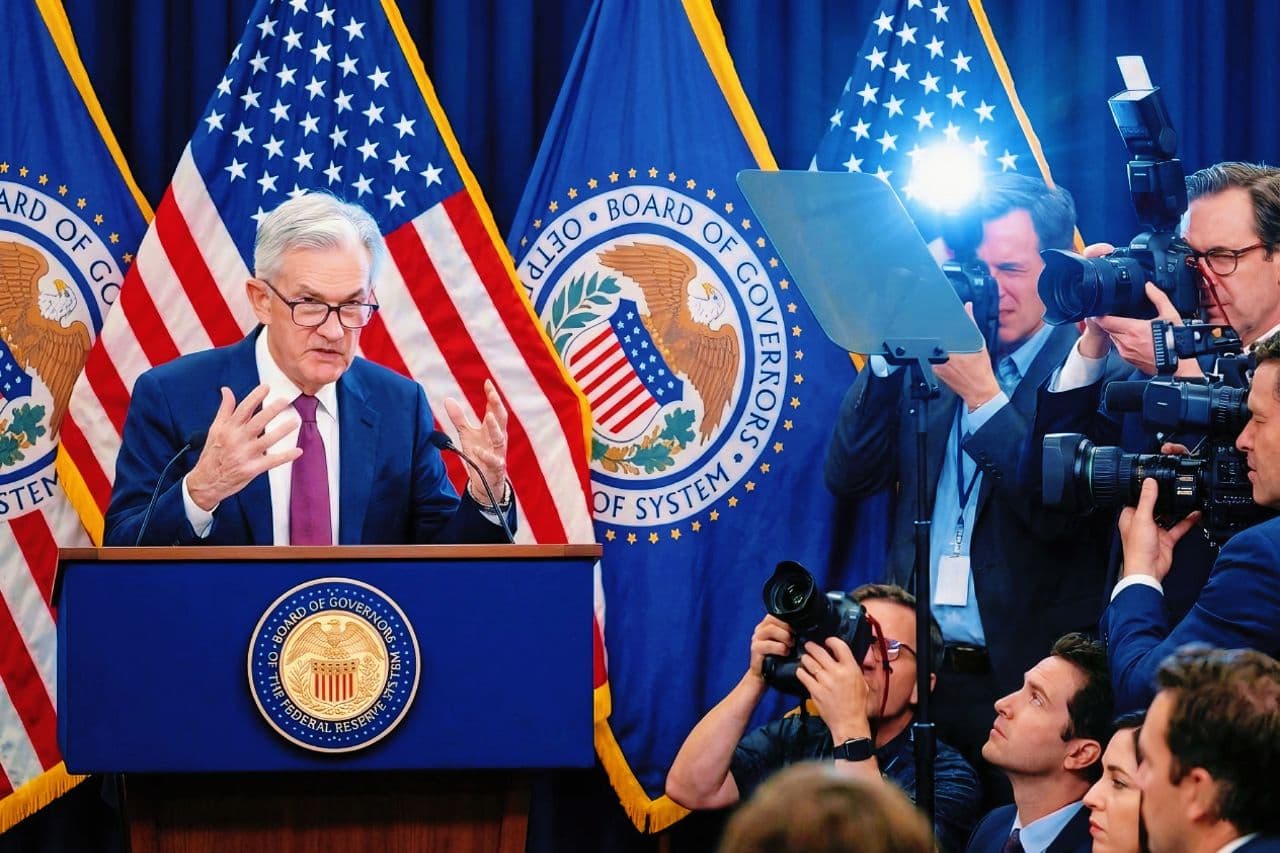
The Federal Reserve may avoid sending strong signals at its upcoming meeting, leaving investors uncertain about the timing of future rate cuts. Chair Jerome Powell, whose term ends in May, will hold a press conference where reporters are expected to press him on the internal debate among the Fed’s 19 committee members. Each member will release updated forecasts, including whether they support easing this year. Analysts like Derek Tang of Monetary Policy Analytics see only one cut in June, while others expect the Fed to hold steady until inflation risks are clearer.
The Fed’s traditional playbook suggests looking past short-lived energy shocks, focusing instead on core inflation measures that strip out volatile food and energy prices. However, the bruising experience of 2022 when inflation surged to 9% has made officials more cautious. Tang noted that the Fed’s ability to “look through” supply shocks has weakened, given the prolonged struggle to return inflation to its 2% target. With rates now at 3.5% to 3.75%, far higher than the near-zero levels of 2022, policymakers are expected to remain tentative about further moves.
Deutsche Bank strategist Matthew Raskin added that the Fed is likely to proceed cautiously with cuts as long as labor market risks remain contained. A stable job market could keep the Fed on hold, but if the Iran conflict eases and oil prices retreat, easing could quickly return to the table. This dual focus balancing inflation risks with employment stability underscores the Fed’s reluctance to commit to a clear timeline.
For investors, the lack of clarity means heightened volatility in rate expectations. Markets may continue to swing between hawkish and dovish scenarios depending on energy prices and labor market data. Powell’s remarks will be closely scrutinized, but the Fed appears set to keep its options open, signaling caution rather than commitment.






The Bottom Line
The Federal Reserve is signaling that it may not deliver a clear message at its upcoming meeting, leaving investors to interpret a cautious stance. Chair Jerome Powell, set to hold his press conference on Wednesday, will face questions about the internal debate among the Fed’s 19 committee members. Each will release updated forecasts, but analysts like Derek Tang of Monetary Policy Analytics expect only one cut this year, while others see the Fed holding steady until inflation risks ease.
The Fed’s textbook response is to look past short-lived energy shocks, focusing on core inflation measures that exclude volatile food and energy prices. Yet the scars of 2022 when inflation surged to 9% have made officials more hesitant. With rates now at 3.5% to 3.75%, far above the near-zero levels of 2022, policymakers are expected to remain tentative about further moves. Tang noted that the Fed’s ability to “look through” supply shocks has weakened after years of battling inflation back to its 2% target.
Deutsche Bank strategist Matthew Raskin added that the Fed is likely to proceed cautiously with cuts as long as labor market risks remain contained. A stable job market could keep the Fed on hold, but if the Iran conflict eases and oil prices retreat, easing could quickly return to the table. This dual focus balancing inflation risks with employment stability underscores the Fed’s reluctance to commit to a clear timeline.
For markets, the bottom line is uncertainty. Powell’s remarks will be closely scrutinized, but the Fed appears set to keep its options open, signaling caution rather than commitment. Investors should expect volatility in rate expectations until energy prices stabilize and labor market data provide clearer direction.